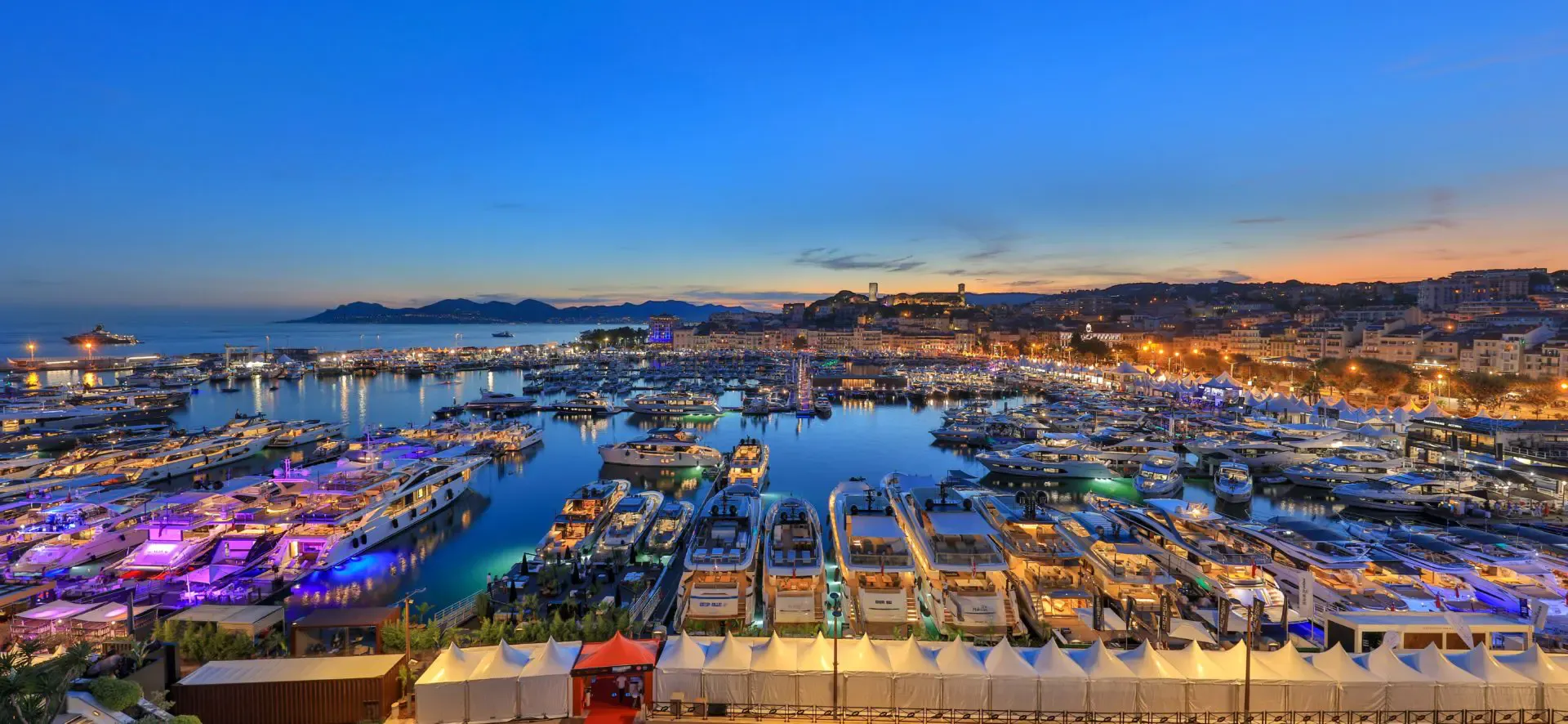
Festival charters are about hospitality, not cruising: the yacht is the venue, the harbour is the address, and the Croisette is a short tender away. The Cannes Film Festival, running from mid-May through the late-May red-carpet finale, compresses about half of the European calendar's high-stakes hospitality into eleven days at one harbour. The brokerage demand peaks roughly twelve months before the event and tightens through the spring.
The Festival's economic register is well-documented. Less well-documented is what changes operationally when a yacht charter is booked for the Festival rather than for a standard Riviera week. The answer touches every line of the charter brief.
The two ports during Festival
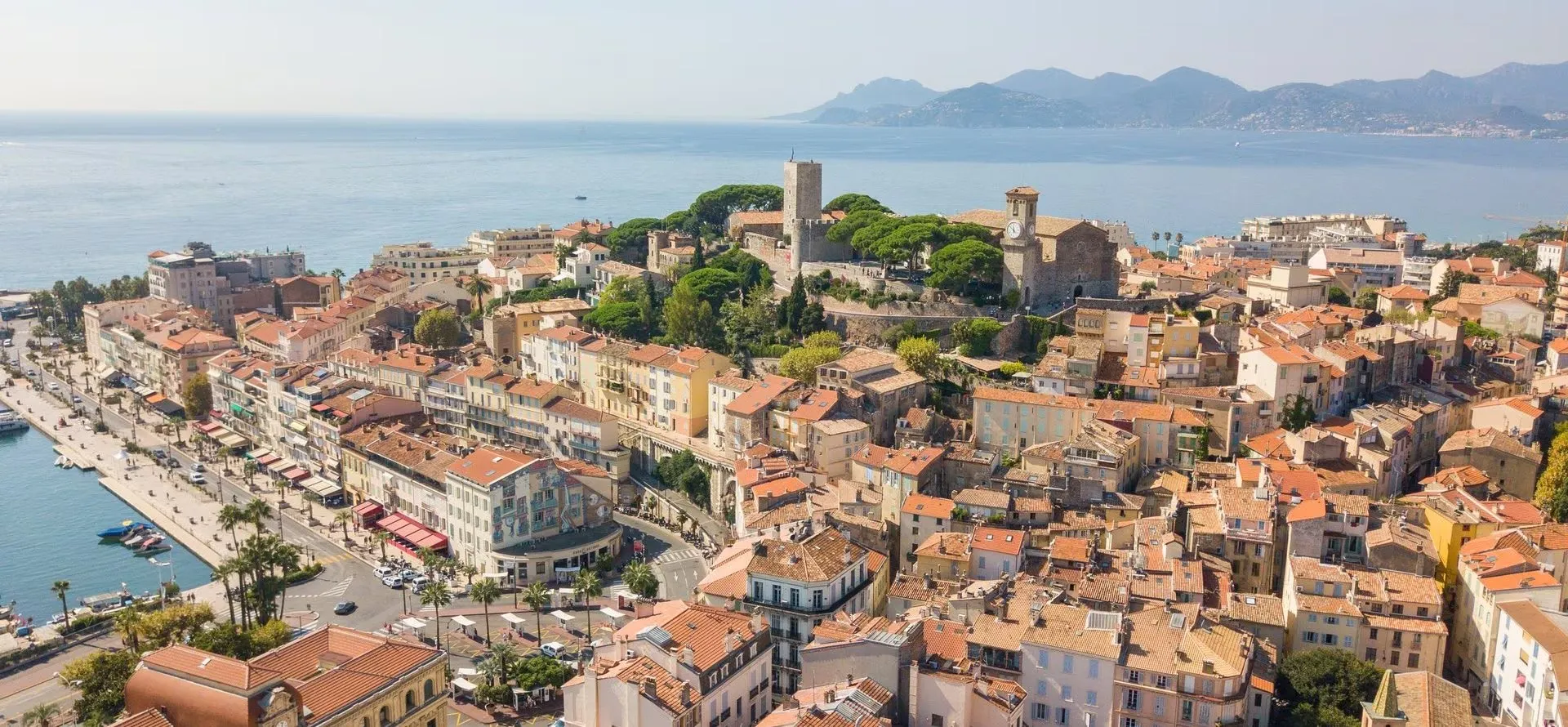
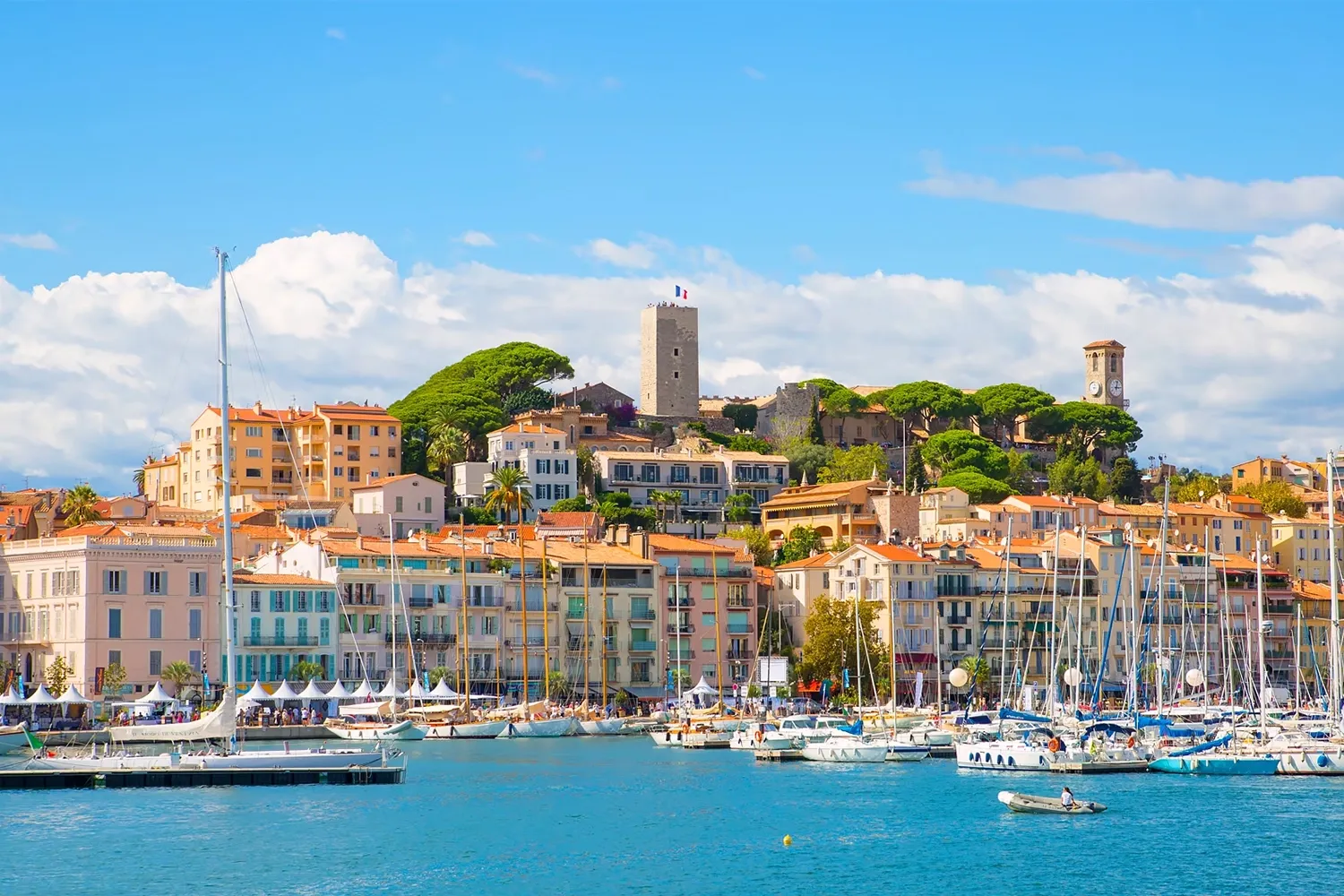
Cannes operates two harbours during the Festival: the Vieux Port immediately below the Palais des Festivals, and Port Pierre Canto ten minutes east along the Croisette. Vieux Port berthing is the marquee position: walking distance to the Palais, to the major hotels along the Croisette, and to the brand activations that populate the harbour-side terraces. Port Pierre Canto holds the larger yachts that cannot enter Vieux Port and the broader brokerage charter fleet that supports the Festival hospitality programme.
Vieux Port berthing during Festival is, in commercial terms, essentially impossible to secure on short notice. The berths are contracted at least twelve months ahead by sponsors, by the major studios, and by the brokerage-led hospitality operations that anchor the harbour-side programmes. A charter without a Vieux Port berth is not less viable; it just operates from Pierre Canto with tender shuttle in. We plan the shuttle as a fixed asset of the week, with the tender timetable agreed in advance and the crew rehearsing the run before the principal arrives, so the position feels seamless even from the second harbour.
For the largest yachts, a third option matters: the open roadstead off the Croisette, where vessels above roughly sixty metres anchor out and run their guests in by tender. An anchored position trades the walk-on convenience of Vieux Port for scale and privacy, and it is often the only way to place a true superyacht charter at Cannes during the eleven days. The tender becomes the deciding piece of equipment: a covered limousine tender with a competent night crew is what makes an anchored Festival charter work, because the run to the Quai Saint-Pierre landing happens repeatedly, after dark, in formal dress, and frequently against a building evening swell.
What the yacht actually delivers
The Festival yacht serves three operational functions. First, accommodation: the principal guests sleep aboard rather than at the hotels on the Croisette, which during Festival are saturated and operationally hectic. Second, hospitality: dinners, after-event cocktails, and brand-aligned private receptions that need a controlled venue. Third, route: the yacht is the way the principal moves between the Palais, the harbour-side restaurants, and the off-Croisette events at Cap d'Antibes and Antibes.
The cruising aspect is, in operational terms, secondary. A Festival charter does not need to be at sea; it needs to be at a recognised harbour address. The yacht is the platform; the day's plan is hospitality-led, not cruising-led.
Crew profile follows from this. The week rewards a galley and interior team built for volume service rather than for long cruising passages: a head chef comfortable running two seatings and a late supper on the same evening, and a chief stewardess who can turn the main deck from a screening-night cocktail to a closing-night dinner inside an afternoon. We brief crews to staff for the harbour day, not the sea day, and to hold provisioning and laundry slack for the inevitable late additions to the guest count. Catering at scale is the most common late variable, so we confirm peak covers and any dietary or kosher requirements early rather than the week before. We also agree the security and arrivals protocol with the crew in advance, since photographers work the quay and the principal's movements need a quiet, well-timed line between the yacht and the car.
Lead time and the November-December window
The Festival is the most lead-time-sensitive week on the Mediterranean charter calendar. The yachts that will be at Vieux Port in May are typically committed by the previous November or December; the yachts at Pierre Canto follow shortly after. From January onward the brokerage market for the Festival is short, the rate is firm, and the negotiable elements compress.
For the highest-stakes Festival bookings (sponsor-led hospitality programmes, marquee-brand receptions, major-studio embassy weeks), the lead time is materially longer. Some sponsor placements are committed years ahead. The brokerage handles this calendar regardless of the public window.
That said, we have placed Festival charters as late as six weeks out, but with a narrower set of available yachts and a more flexible brief on the part of the principal. The latest workable placement window is usually April, with rates that reflect the late-supply pressure. Two contractual details tend to surprise first-time Festival clients: Festival-week placements often carry a higher Advance Provisioning Allowance than a standard cruising week, because catering and dock-side logistics run heavy that week. Terms are also firmer on cancellation and on the delivery and redelivery port, since an owner who has committed a Vieux Port berth has no realistic way to redeploy the yacht elsewhere for those dates.
The Riviera context
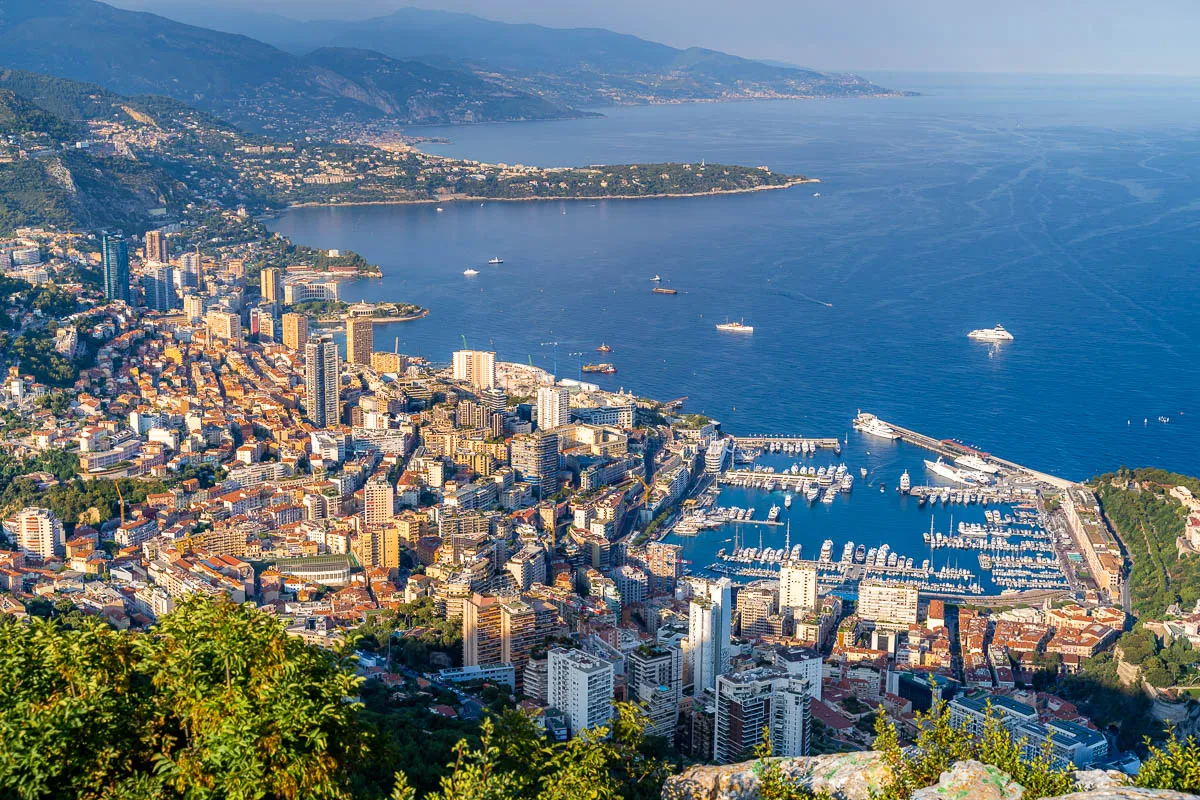
Festival week pulls a large share of the western Riviera's high-spec charter fleet into Cannes. The marina populations at Monaco, Saint-Tropez, and Antibes drop materially during the eleven days, with the fleet repositioning into Cannes for the week and back out the following Sunday.
For non-Festival charters in mid-to-late May, this is operationally significant. A weekly charter that brackets the Festival (embarking before the Wednesday opening, disembarking after the Saturday closing) can route through Cannes with the Festival itself as a daytime stop, the harbour-side observation as a context point, and Saint-Tropez or Monaco as the actual cruising base. The rates for the off-Festival yachts are softer than the Festival-positioned ones; the operational flexibility is greater. The Île Sainte-Marguerite anchorage, fifteen minutes off the Vieux Port, gives such a charter a quiet lunch stop within sight of the harbour while the Croisette stays a short tender run away.
Beyond the eleven days
The Festival is the most demanded but not the only event-week at Cannes. The Cannes Lions International Festival of Creativity in mid-June, the MIPIM real-estate conference in spring (held in Cannes), and the Cannes Yachting Festival in early September each pull additional charter demand to the Vieux Port and Pierre Canto. The operational profile of each is distinct: Cannes Lions is more brand-hospitality led than the Film Festival; the Yachting Festival is more broker-side than principal-side.
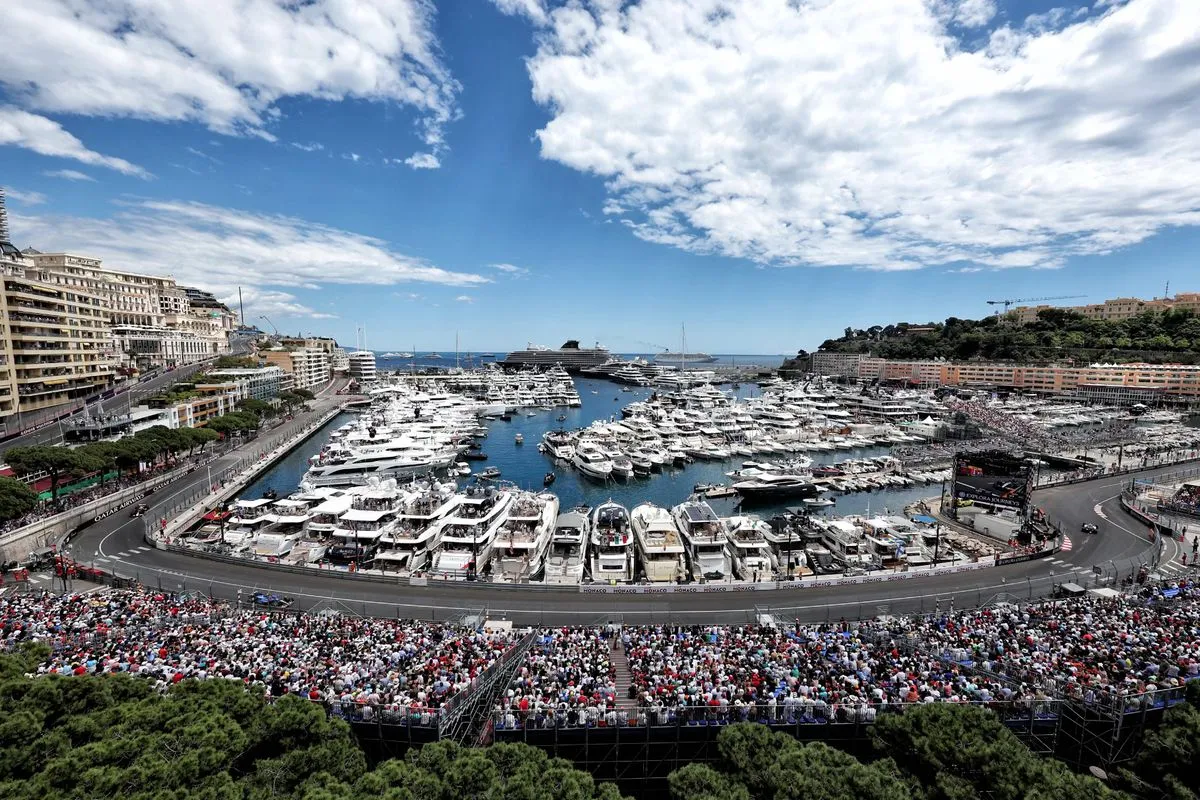
For clients who want the Cannes hospitality register without the Festival rate, Cannes Lions in June is the alternative window. Same harbour positioning, similar hospitality intensity, materially lower rate, and a slightly less compressed lead time. Clients who weigh the Festival against another marquee event-week usually look first at the Monaco Grand Prix guide, which shares the same logic of harbour position over cruising distance; the two events fall within ten days of each other in May, and a single yacht can serve both for a principal who wants the full late-spring circuit.
What the published Festival packages do not capture is that the yacht's value at Cannes during the Festival is the position: the harbour address, the tender route, the controlled venue. The selection follows from the position, not the other way round. If you are weighing a Festival week, the practical first step is to fix the target berth or anchorage and the headline cover count, then let our advisors match the available yacht charter to that footprint, with the Cannes charter guide as the reference for the harbour itself. Decide the address, then the dates, then the boat, in that order, and start the conversation in the autumn before the May you have in mind.