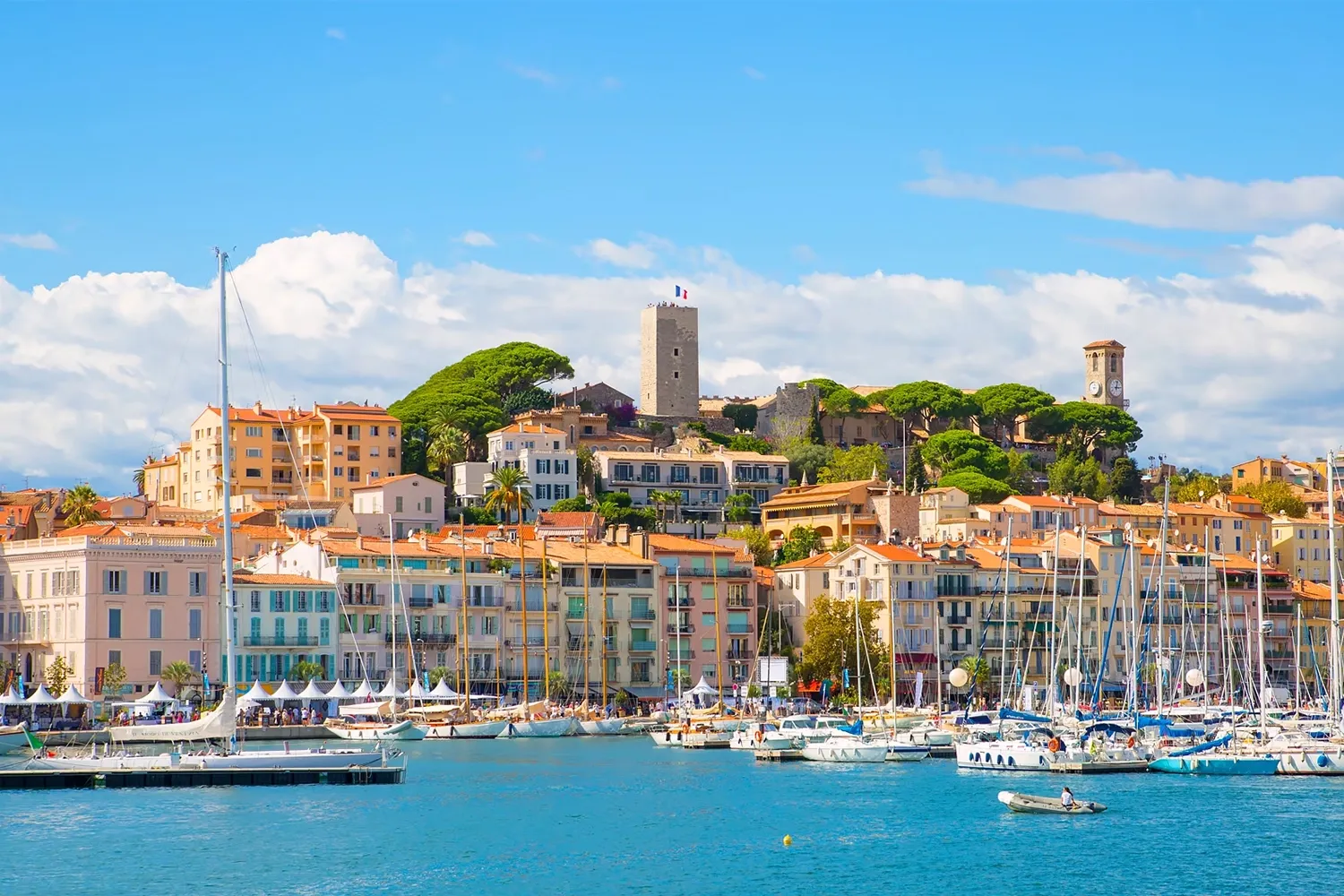
Half the coast's larger yachts winter in Antibes; in season, the shortest path to the right boat often starts there.
That is not a romantic claim about the town's harbour views. It is a logistical fact that shapes how a charter on this stretch of the Riviera comes together. Antibes is the working heart of the western Mediterranean charter trade: where crews are based out of season, where refits are scheduled, where captains take provisions and where a great many of the boats you might charter in July are physically sitting in February. When a yacht is already on the coast, you are not paying to bring her round from elsewhere, and the conversation about availability tends to be shorter and more honest. The scene at Cannes and Saint-Tropez is brighter, but the fleet often lives a few miles east of both.
The waters and the season
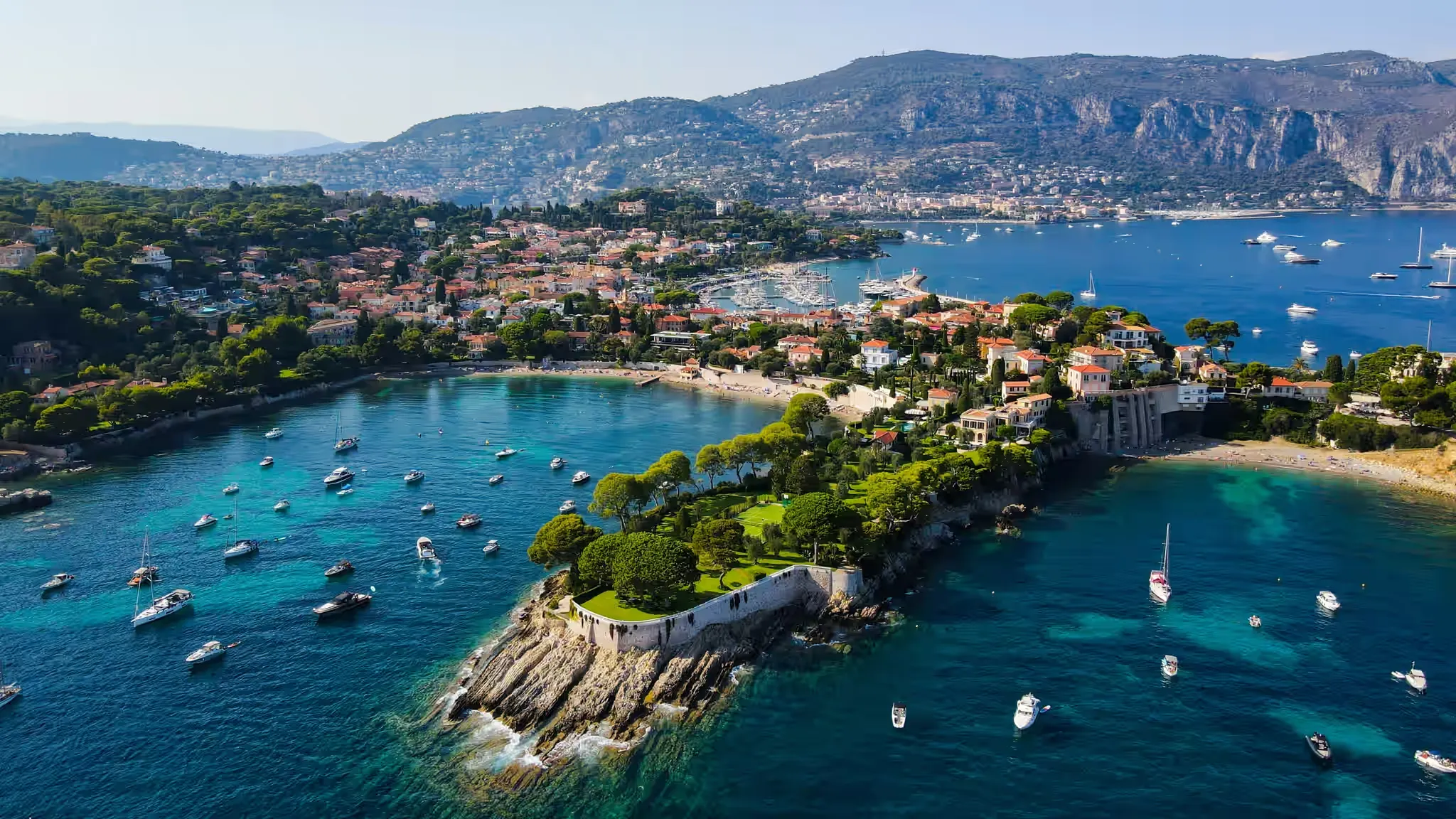
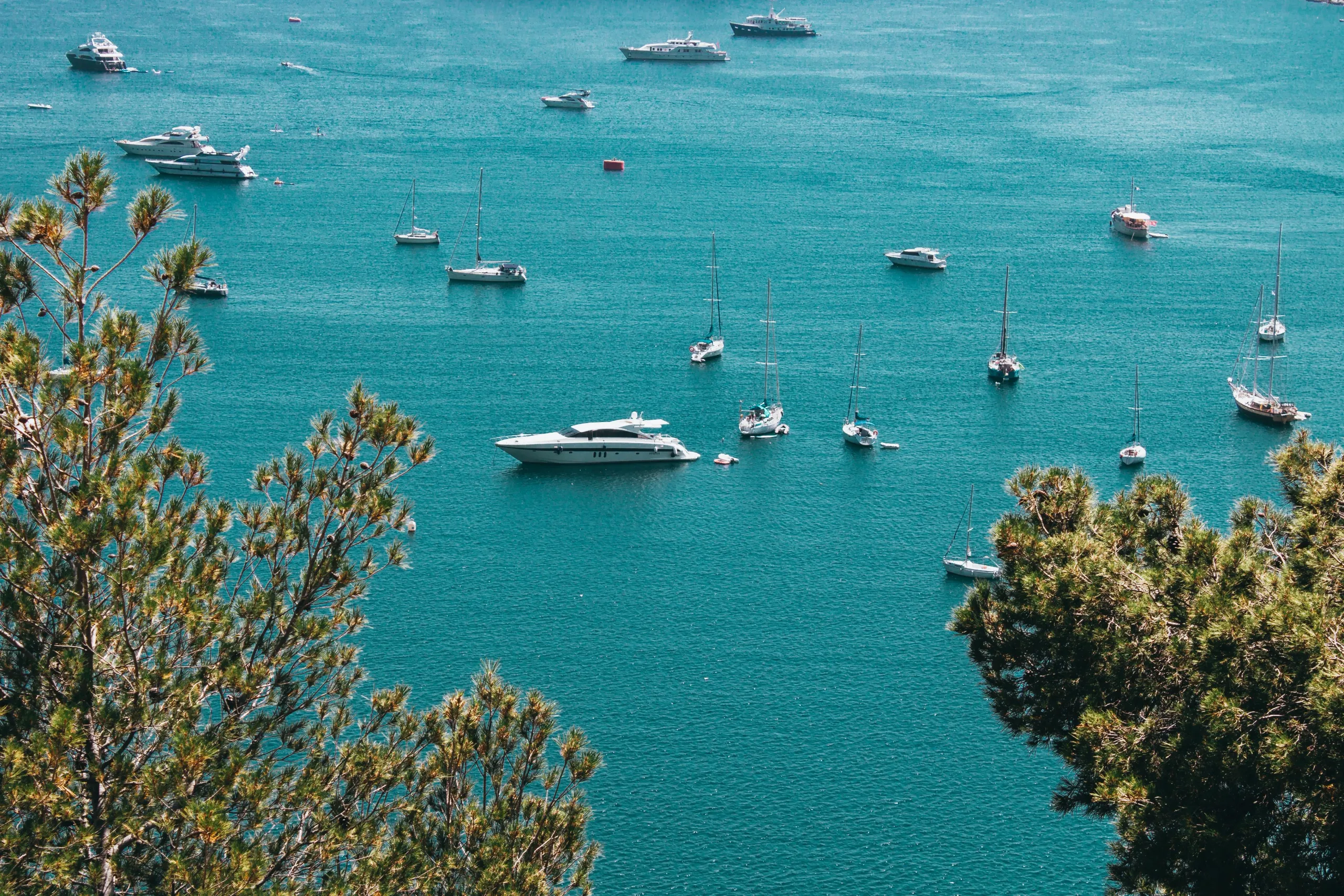
Antibes occupies the centre of the Baie des Anges, the broad bay that sweeps from Nice in the east round to the headland of the Cap. The Cap d'Antibes itself is the pine-covered promontory that separates the town from Juan-les-Pins, and it is the geographic feature that makes this part of the coast worth a charter rather than simply a place to embark. The water on the eastern flank, off the Plage de la Garoupe, is sheltered from the prevailing westerlies; the western side, towards Juan, catches the afternoon light and the swell more readily.
The high season runs from June to September, with July and August at full intensity and the shoulder weeks of late May and September often the more rewarding sail: warm water, lighter traffic, and a fleet not yet fully committed. The dominant weather concern is the mistral, the dry northwesterly that can build over a day or two and make the exposed western anchorages uncomfortable. A good captain reads it early and shifts to the lee of the Cap. There are exceptions to every seasonal rule on this coast; we note them where they matter, and the mistral is one to respect rather than fear.
Where you board and berth
Port Vauban is the largest marina on the French Riviera by berth count and the practical centre of gravity for charter here. Most guests will embark from one of its quays, and the boarding logistics are simpler than at the more congested town harbours further west. The marina sits directly beneath the ramparts of the old town, so the walk from a good dinner ashore to the passerelle is measured in minutes rather than a tender transfer.
The piece of Port Vauban that matters for larger charters is the Quai des Milliardaires, the deepwater superyacht quay along the seaward mole. This is where the genuinely large boats lie stern-to, and it is one of the few berths on the coast that comfortably takes vessels well above sixty metres. If your charter is at the upper end, this is very often the home berth, and it is worth understanding what that means in practice: the quay is secured, the approach is straightforward in most conditions, and the position gives a fast exit to the open bay. For the scale of yacht that uses it, this is closer to the world of superyacht charter than to a day-boat arrangement, and the planning runs accordingly.
For smaller and mid-sized yachts there is more flexibility, and embarkation can also be arranged at the neighbouring ports of Golfe-Juan or even the Cannes harbours when it suits the itinerary. The point of starting from Antibes is rarely the berth itself; it is that the boat you actually want is more likely to be here.
What a charter here actually looks like
The defining day run from Antibes is the short hop to the Lerins islands, which sit a few nautical miles offshore between the Cap and Cannes. Sainte-Marguerite, the larger of the two, is wooded and quiet, ringed by clear water and laced with walking paths; the channel between it and Saint-Honorat is a classic lunchtime anchorage, calm in most weather and close enough that you are at anchor within the hour of slipping lines. Saint-Honorat remains a working monastery, with the Cistercian community still tending vines, so the island ashore is reserved and unhurried in a way the mainland coast is not. A morning swim off Sainte-Marguerite, lunch aboard at anchor, and an afternoon back towards the Cap is the template a great many guests settle into.
Closer to home, the anchorages off the Cap d'Antibes are the quiet luxury of this coast. The water off the Garoupe and the coves on the eastern shore give you a sheltered swim within sight of the headland; the western side towards Juan-les-Pins is livelier and better for the late afternoon. The contrast between day and evening is real here. By day the rhythm is anchorages, tenders and water toys; by evening, most boats come back into Port Vauban or move down to Juan, and dinner is taken ashore in the old town or in one of the Juan-les-Pins rooms a short tender ride away. It is a less performative scene than the front at Cannes during the festival, and many principals prefer it for exactly that reason.
For a longer programme, Antibes is an ideal hinge. A typical week might run west towards Cannes and on to the bays below Saint-Tropez, or east past Monaco towards the Italian frontier, with the Cap as the still centre to return to. We set out one such pattern in a sample Riviera itinerary, and the through-line is always the same: short legs, good anchorages, and the option to change plan with the wind.
Who it suits, and how it differs from the coast nearby
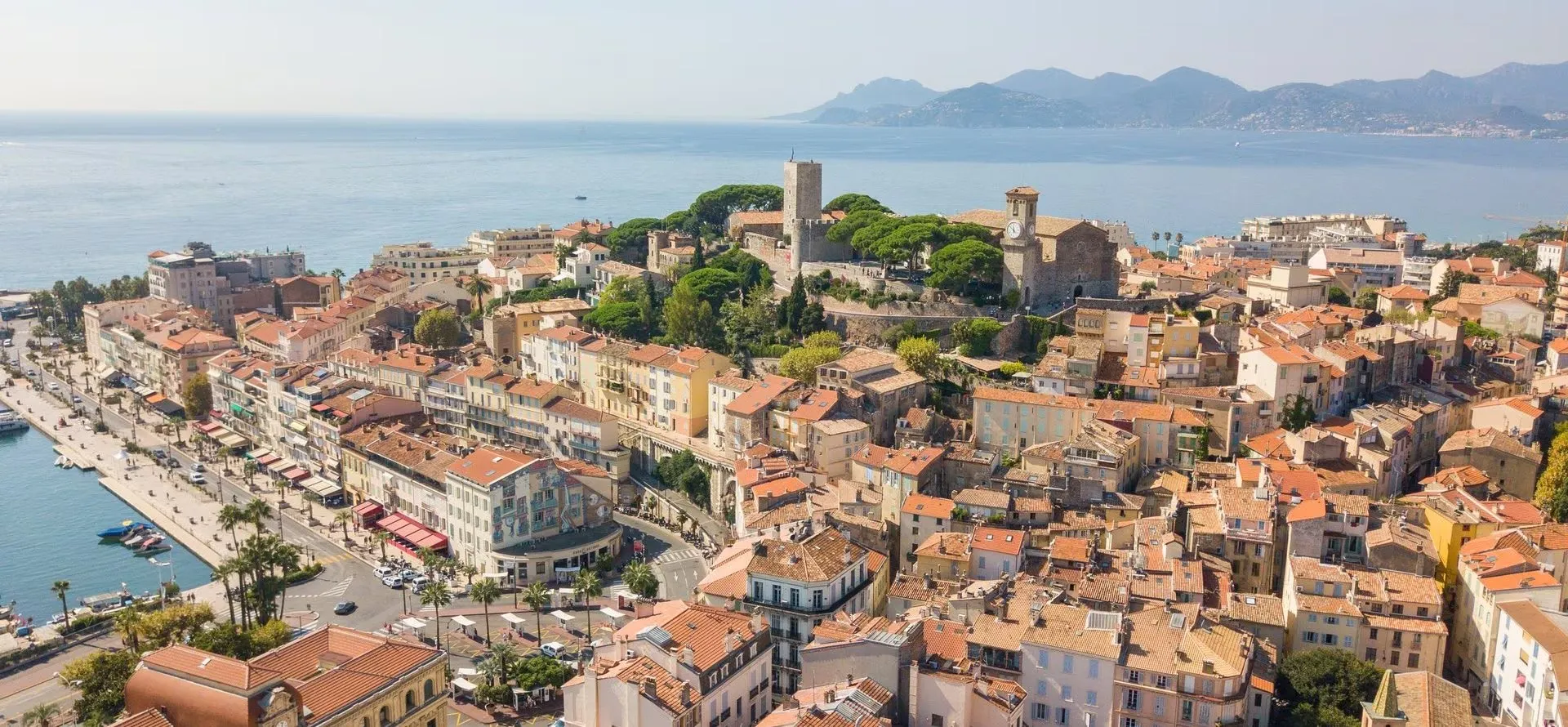
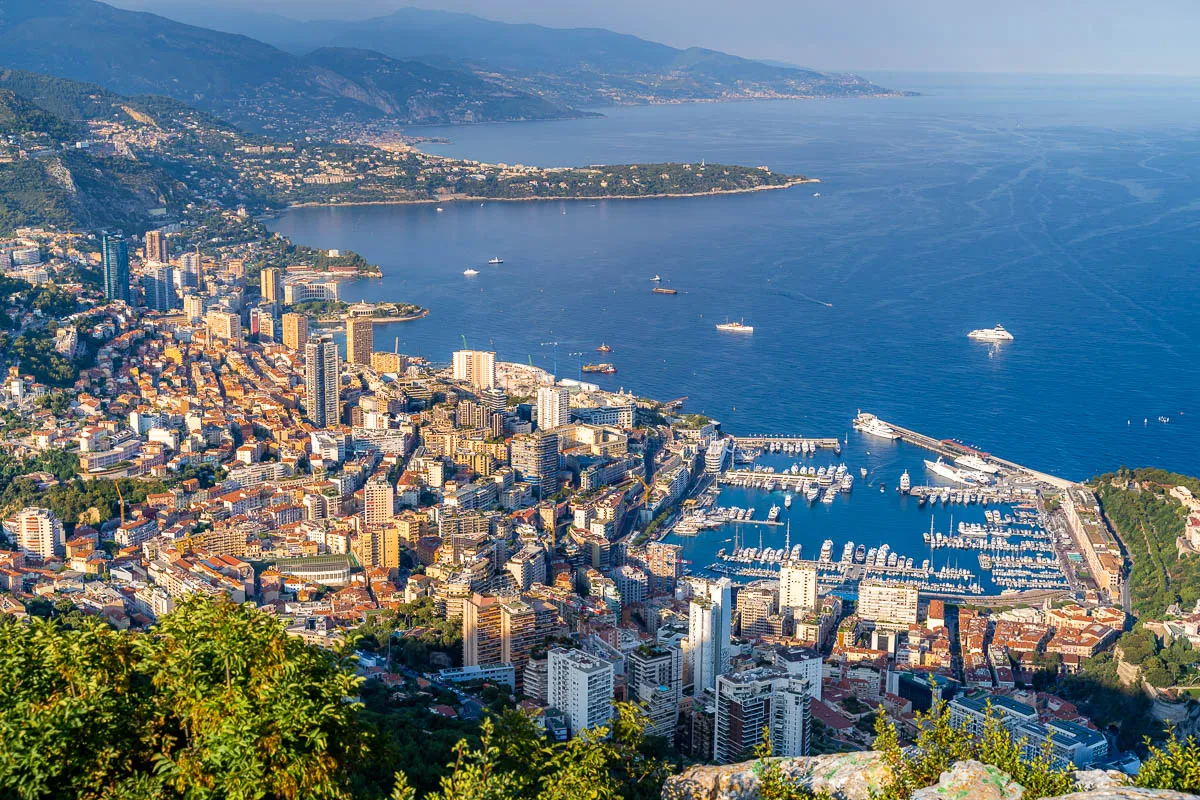
Antibes suits the principal who cares more about the boat and the water than about being seen at the dock. It sits, geographically and in temperament, between two very different neighbours. Cannes is the events coast: the film festival in mid-May, the yachting and television-industry shows through the autumn, and a front designed to be looked at. Monaco, twenty minutes east by tender-speed or a short cruise, is the address coast, formal and compact, with the Monaco Yacht Show owning the last week of September. Antibes is the working coast in between: less theatre, more substance, and a deeper bench of available yachts because so many of them are based here.
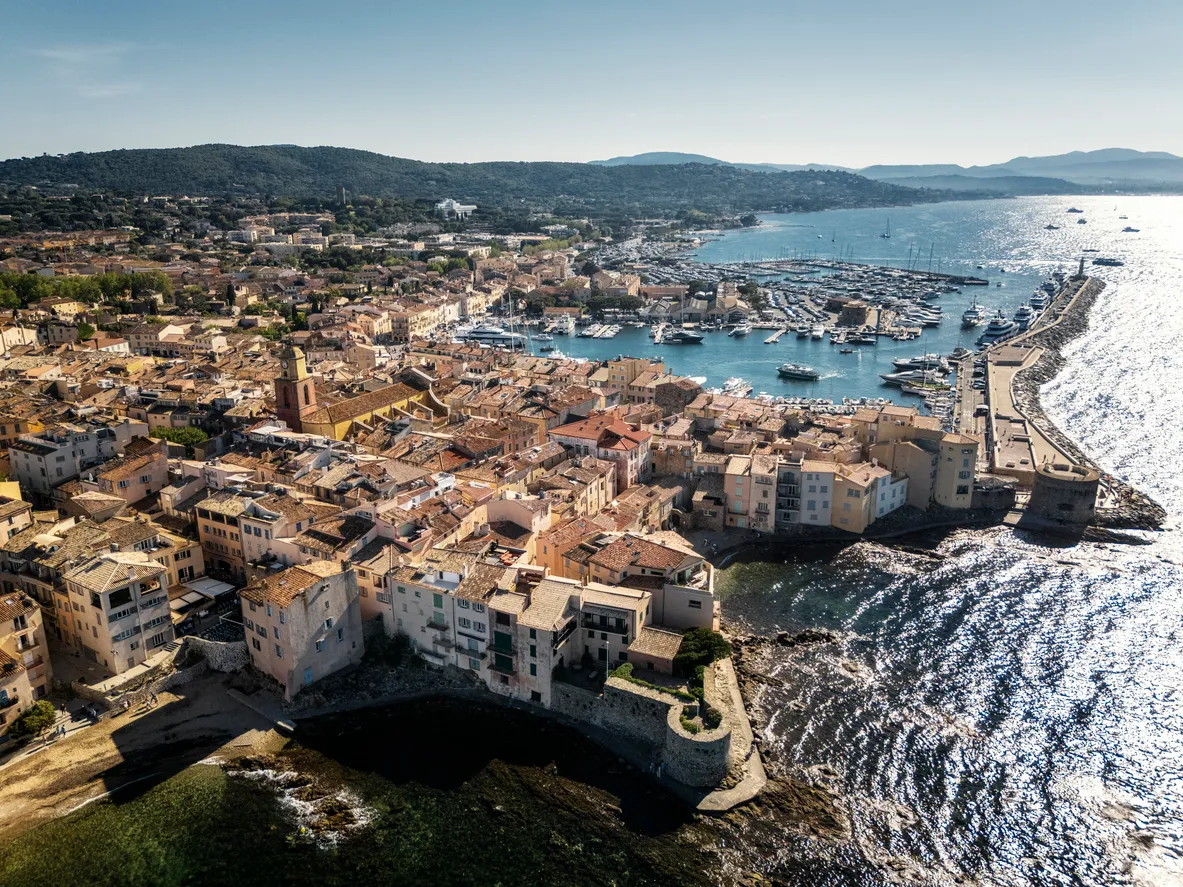
Against Saint-Tropez to the west, the difference is one of pace and access. Saint-Tropez and the beach clubs of Pampelonne, Club 55 among them, are a day's cruise away and worth the run, but the village harbour is tight and the summer scene is intense. Antibes gives you the same fleet quality with an easier home base and a faster reach in both directions. If your week leans towards Cannes and the islands, the Cannes charter guide is the natural companion to this one; if it leans further afield, the breadth of the yacht charter fleet based here is the real argument for starting from Antibes.
Practical notes
A few things are worth knowing before you commit to an Antibes departure.
- Tender logistics are the quiet determinant of a good day. The run to the Lerins is short, but landing on Sainte-Marguerite and Saint-Honorat is regulated, and the better captains know the permitted spots and the times to avoid the day-tripper traffic. Treat the tender as part of the itinerary, not an afterthought.
- Anchoring rules tighten over Posidonia seagrass beds, which are protected along much of this coast; a competent crew anchors clear of them as a matter of course, and the restrictions are firmer than they once were.
- Access by land is straightforward. Nice airport is roughly twenty minutes east by road in light traffic, which makes Antibes one of the easier coasts to reach without an internal transfer, and a meaningful advantage when guests arrive on different flights.
- Provisioning and crew are first-rate precisely because the trade is based here; last-minute requests are more likely to be met in Antibes than almost anywhere else on the coast.
The single most useful thing to take from all of this is also the simplest. If you want the strongest field of available yachts for a Riviera week, ask which boats are already based in Antibes before you fix on a departure port. The fleet lives here, the crews live here, and starting where the boats are is usually the shortest path to the right one.