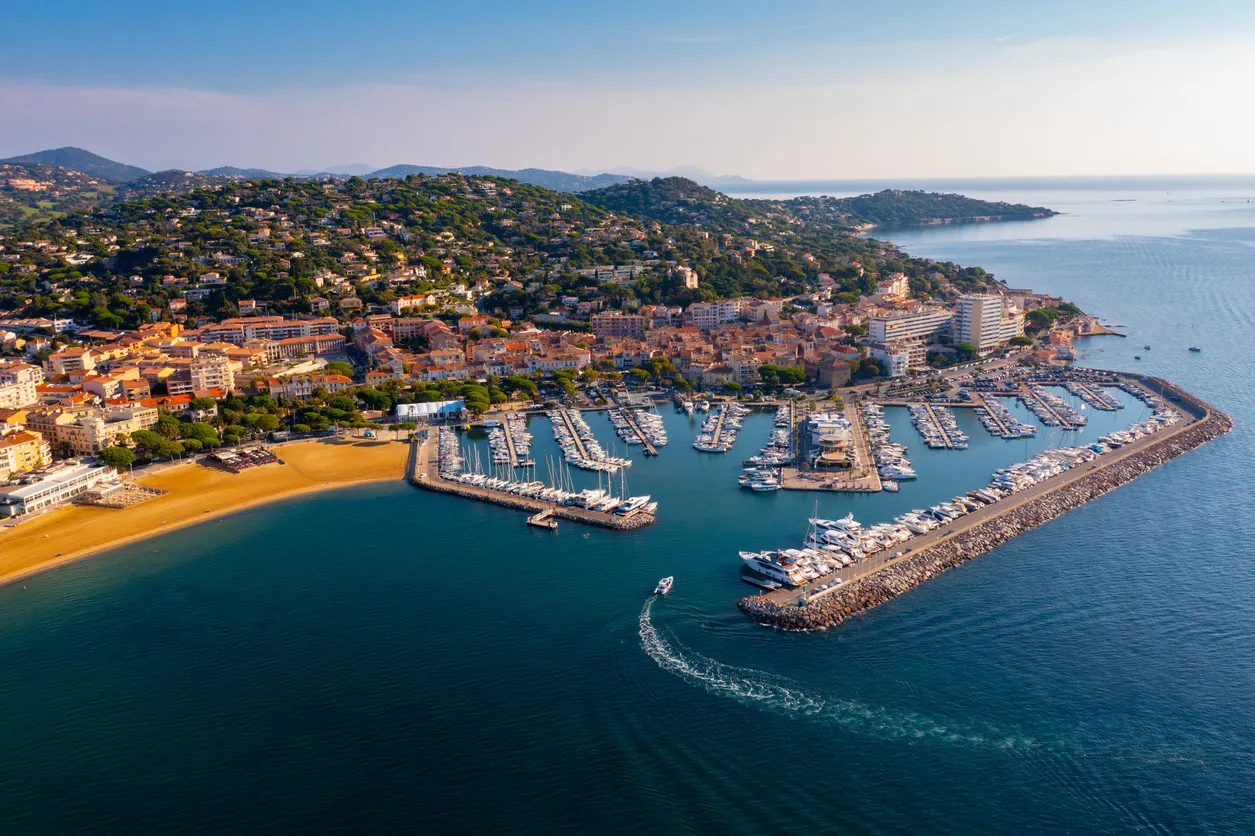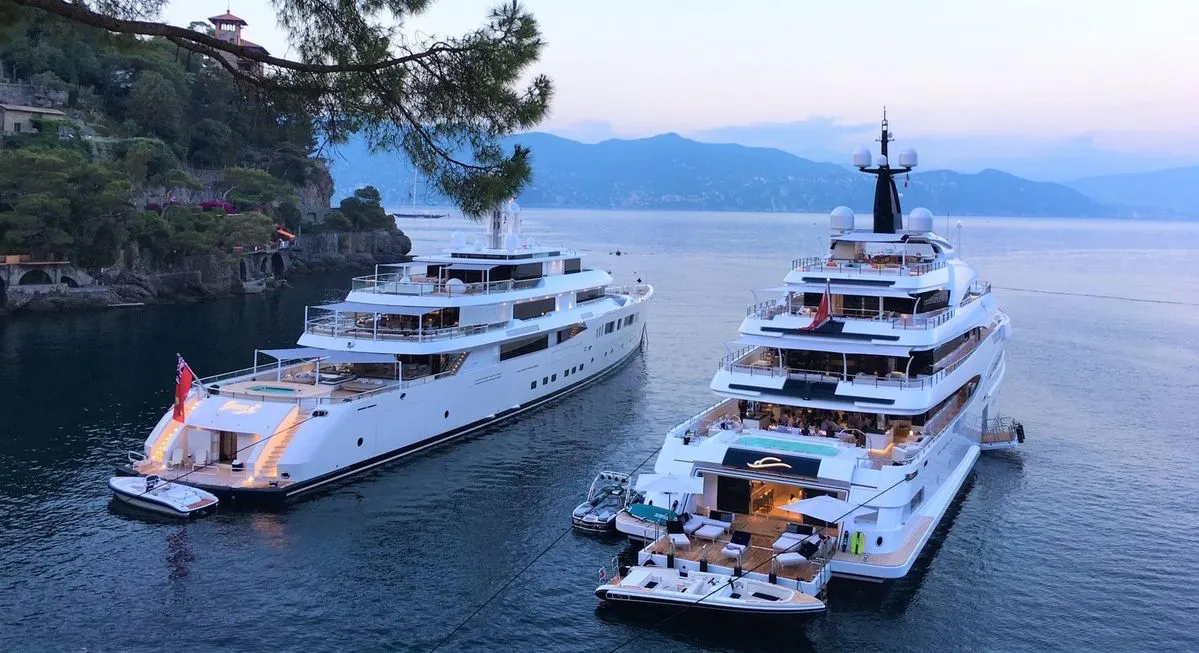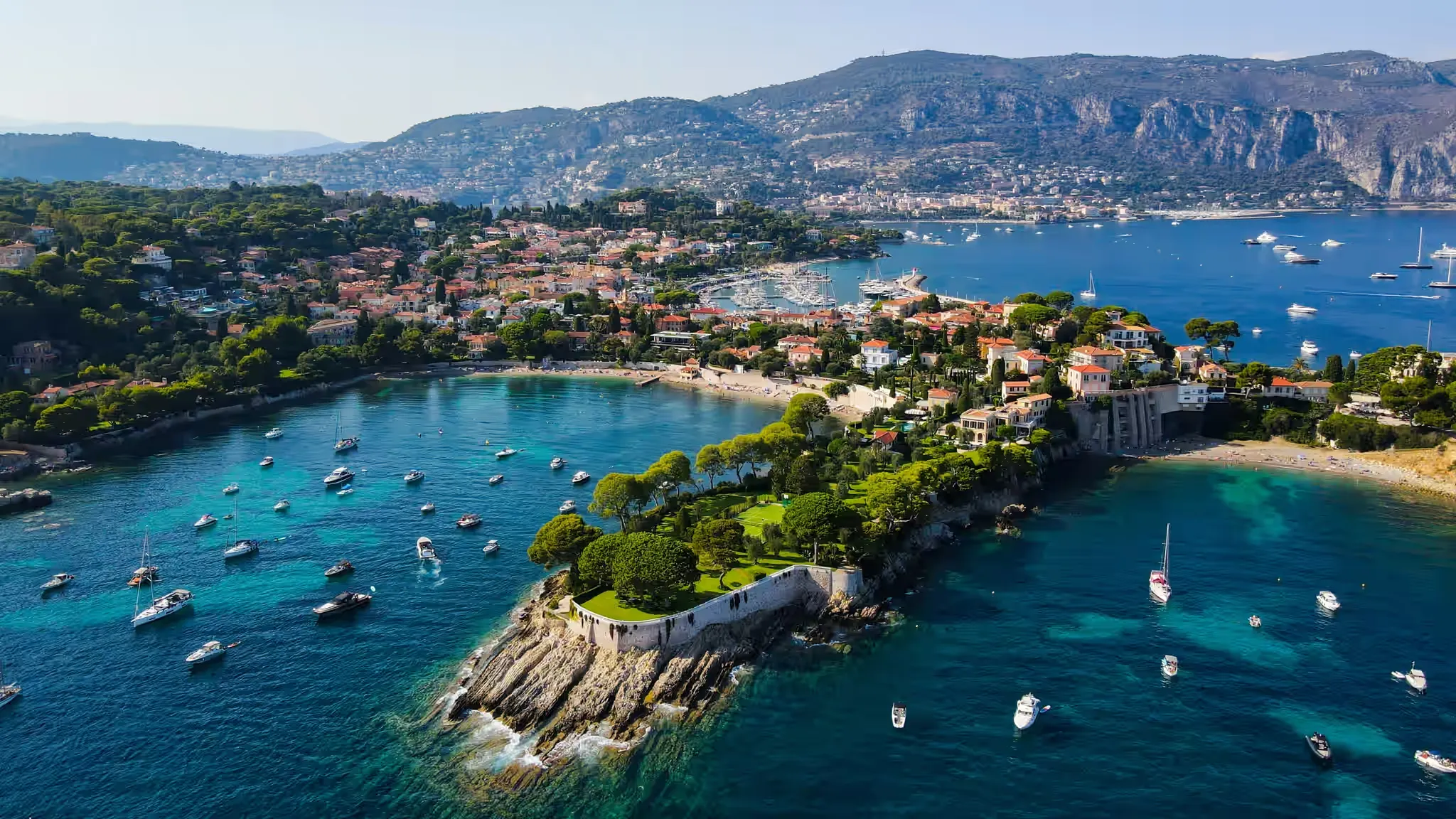
The best Riviera weeks move against the timetable: the busy ports at dawn, the open anchorages when the day boats go home.
Most charters get this backwards. They sleep in a quiet bay, then arrive at Saint-Tropez harbour at noon to find the day's traffic ahead of them, the quay full, the tenders queuing at the Pampelonne pontoons. The same coast read in reverse rewards you twice over. Berth in the famous ports for breakfast, when the night's departures have just cleared the lines, then slip out to the open water by mid-morning and let the day-trippers stream past you in the other direction. By the time the rental fleets and the beach-club shuttles thin out at five, you have the anchorage to yourself with the light still good for a swim. The map between Monaco and the Iles d'Hyeres is short. The skill is in the timing, not the distance.
What follows are three shapes, not schedules. A captain worth the title will redraw them every morning against the wind, the swell and the August calendar, and we expect that. Treat them as a way of thinking about the week rather than a route to be followed to the minute.
The classic week, Cannes to Saint-Tropez and back
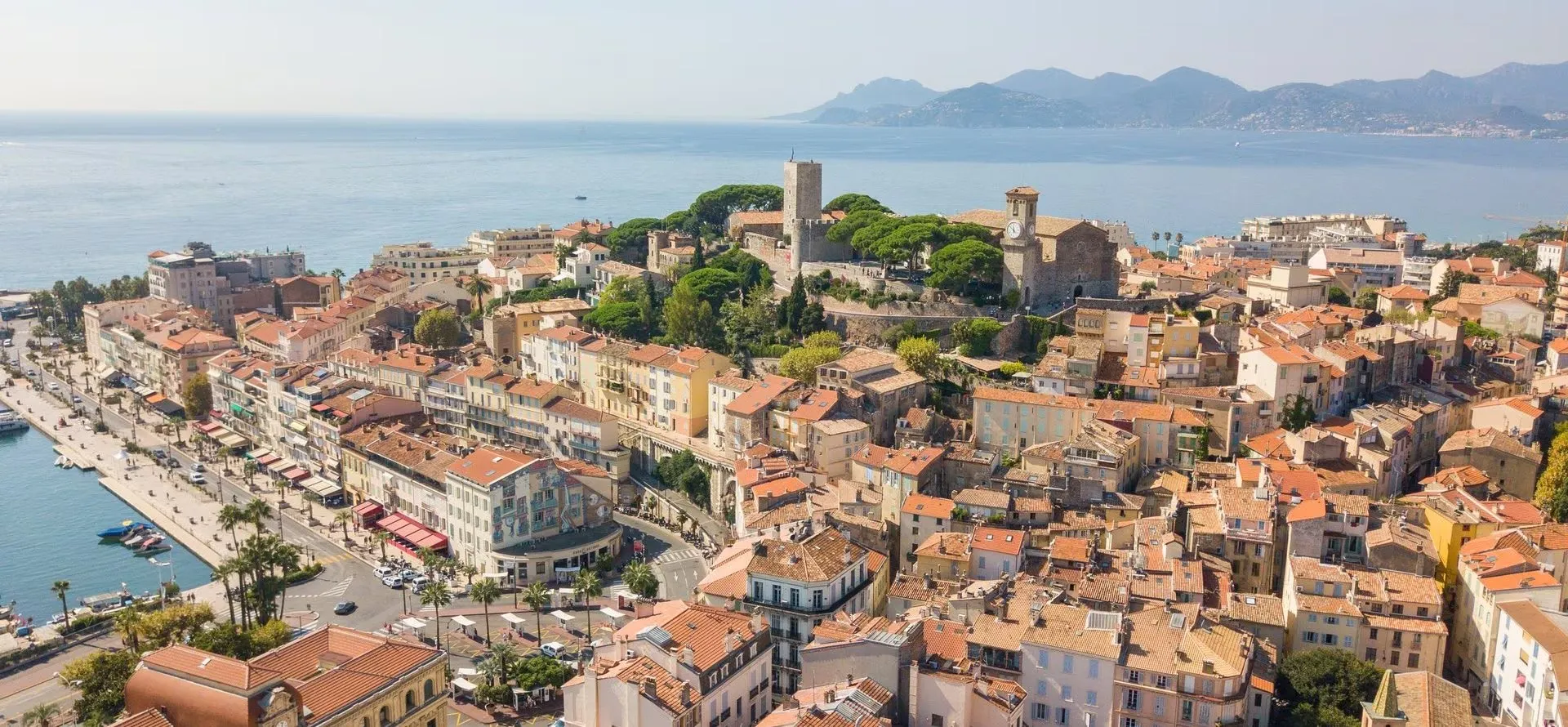
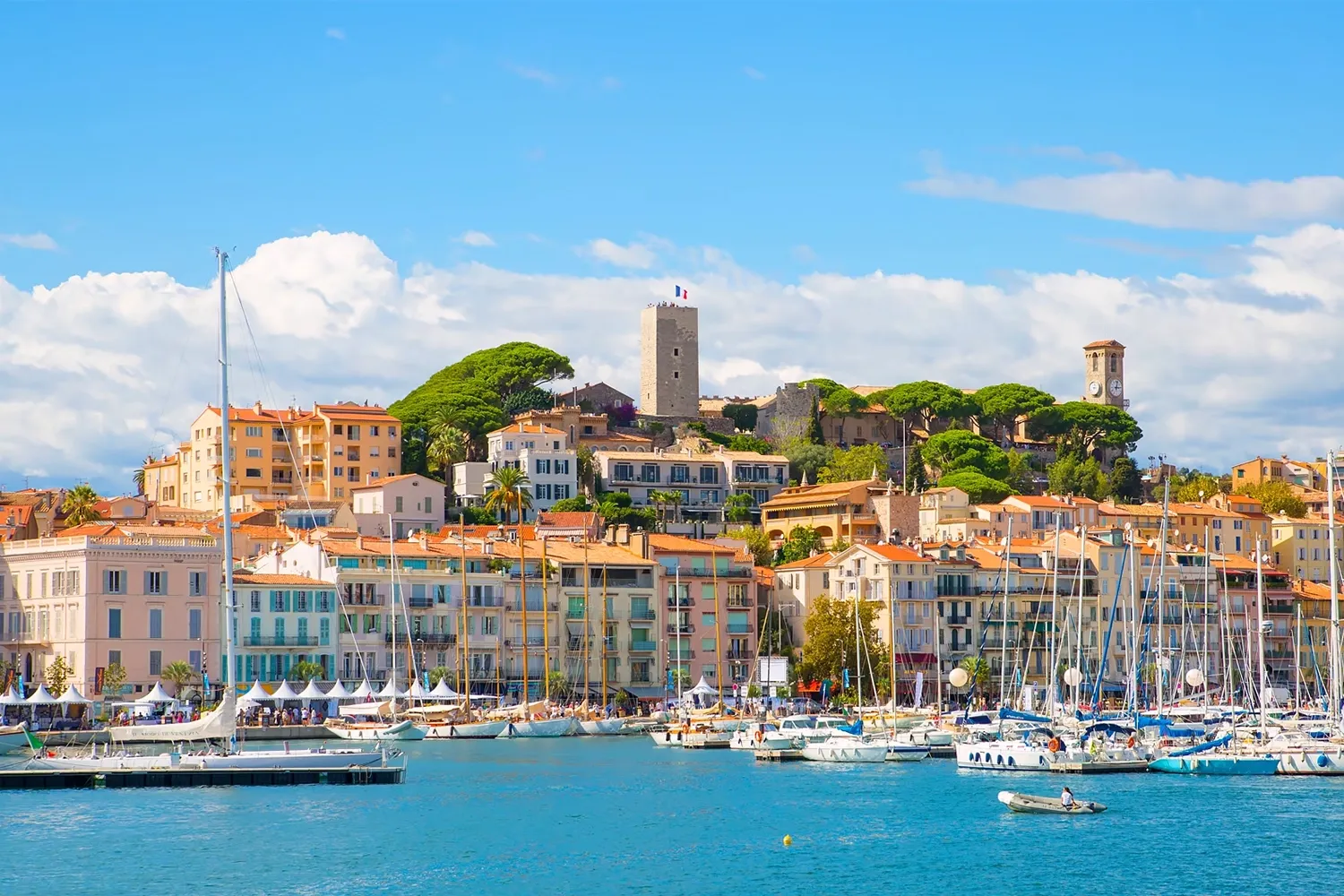
The most requested shape on the Riviera runs west from the Cannes bay to the Gulf of Saint-Tropez, then home along the Esterel coast. It is popular for good reason: the run is comfortable, the stops are varied, and you are never more than a couple of hours from a serious marina if the weather turns.
Begin off Cannes, and give the first morning to the Lerins islands rather than the town. Sainte-Marguerite, the larger of the two, has a clear-water channel between it and Saint-Honorat that fills with boats by eleven and empties again by six. Anchor early on the island's southern flank, take the tender ashore to the Fort Royal, and be back aboard before the day fleet arrives. The monastery vineyard on Saint-Honorat is worth the short hop, and the Cistercian community there asks for quiet, so the islands reward an early or a late visit, not a midday one.
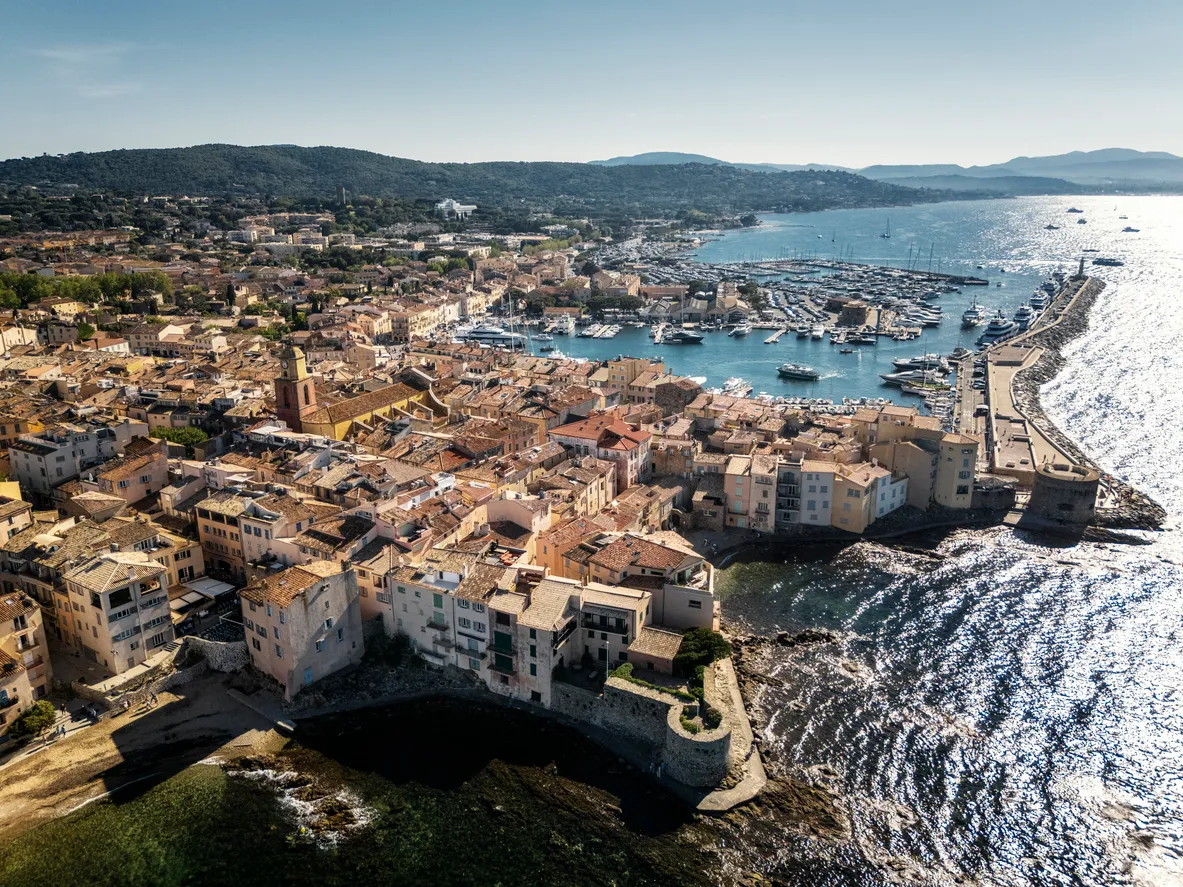
From the Lerins, the long leg west crosses to the Gulf of Saint-Tropez. The classic error is to push straight into the old port. Instead, anchor first off the Pampelonne sweep, the long beach south of the town that carries the famous clubs, Club 55 among them, and send the tender in for lunch. The town itself is best taken at the very start or the very end of the day. A dawn berth on the quay, before the promenade fills, gives you the harbour at its best, and an evening departure lets you watch the same scene from the water with a drink in hand rather than an elbow in your ribs.
The return runs back along the red porphyry of the Esterel, with anchorages in the calanques near Agay and Le Trayas that the westbound traffic mostly skips. Our Saint-Tropez page and the longer-form Saint-Tropez charter guide go deeper on the gulf's berthing and the Pampelonne club bookings, which in high season want arranging well ahead.
The eastern week, Monaco to the Cap and the Italian border
The eastern shape is shorter in miles and denser in scenery. It suits guests who want town more than open sea, and it puts the grandest stretch of the coast inside a half-day's cruising.
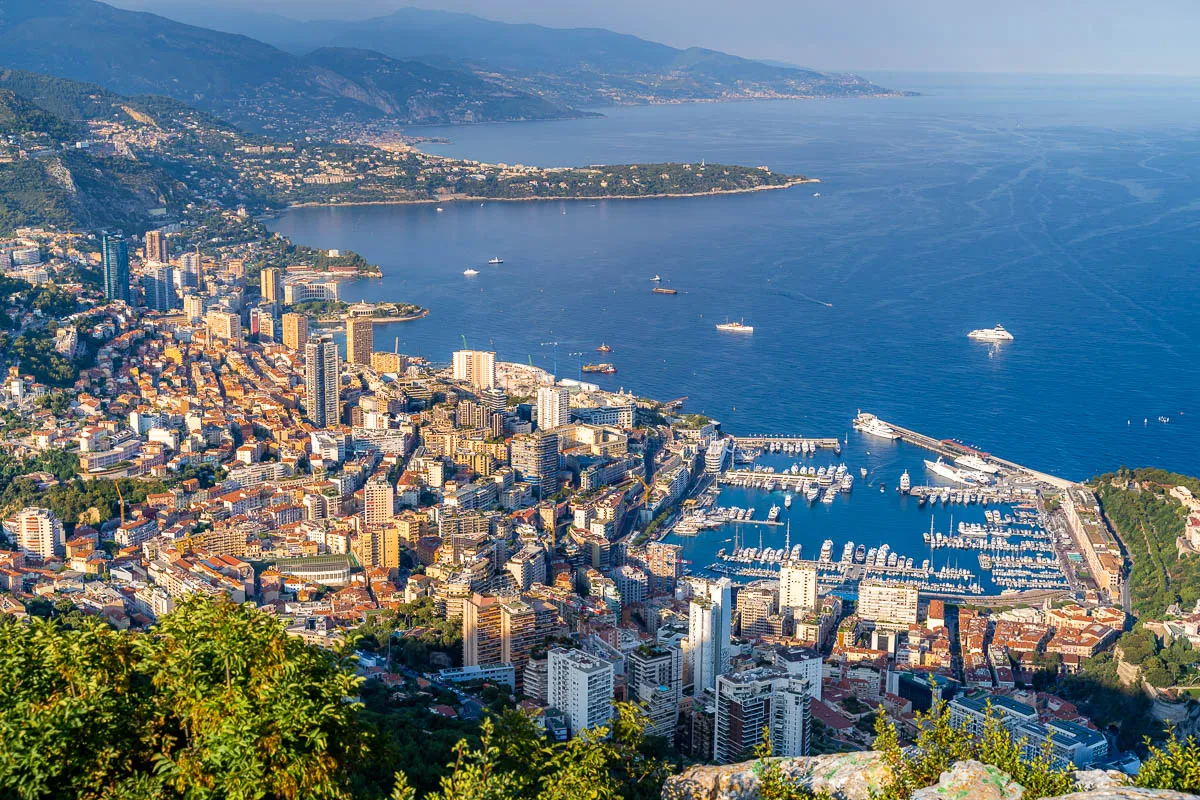
Start at Monaco, ideally with a night on the quay so the guests wake in the principality rather than arriving to it. From there the run east toward the Italian border is brief: Menton, then across to the Ligurian coast around Ventimiglia and on toward Bordighera and San Remo if the paperwork and the charter agreement allow Italian waters, which is a point to settle before departure rather than on the day.
Turning back west, the centrepiece is Cap Ferrat. The peninsula carries two of the most sheltered anchorages on this part of the coast, with the Villa Ephrussi above and the long coastal path around the point. Drop the hook off the Cap for a swim, lunch aboard, then take the tender into the small harbour at Saint-Jean for the afternoon. Beaulieu and Villefranche sit just to the west, and the deep natural roadstead at Villefranche is one of the few places on the Riviera where a larger yacht can lie comfortably close to shore.
This week leans on a quieter season more than the others. Through July and August the eastern ports are at their tightest, and Monaco's quay during the Grand Prix in late May or the Yacht Show in late September is effectively closed to casual berthing. June and early autumn give you the same coast at half the pressure.
The islands and the quiet days, Lerins and Porquerolles
The third shape is for guests who would rather swim than dock. It strings together the Riviera's island groups and treats the towns as supply stops, not destinations, and it is the week we most often steer first-time charterers toward once they have seen the coast in motion.
The Lerins, off Cannes, open the week as above. The longer move is west and south to the Iles d'Hyeres, the three islands off the Giens peninsula. Porquerolles, the largest, has white-sand beaches on its northern shore and a protected interior of vineyards and pine; much of the island sits inside the Port-Cros national park, so anchoring is regulated and certain bays are closed to protect the seagrass beds. A good captain will know which northern coves take the hook and which do not, and will treat the park's rules as fixed rather than negotiable.
Between the Lerins and the Hyeres islands, the open run gives you the genuinely empty days, long lunches at anchor off the Esterel, an afternoon swim with no other boat in sight, the things the famous ports cannot offer in July. This is the week where the dawn-and-dusk discipline pays the most, because the islands themselves fill and empty on the day-boat clock as predictably as the harbours do.
Where the shapes break, and the exceptions worth knowing
There are exceptions, and we note them where they matter. Three in particular reshape any of the weeks above.
- The festival and show calendar. The Cannes bay during the film festival in mid-May, and Monaco during the Grand Prix and the late-September show, are not weeks to cruise casually. Berths vanish and prices double. Build around these dates or avoid them outright; the longer Cannes charter guide covers the festival-week logistics in full.
- The mistral. The northwesterly wind can blow hard for two or three days at a stretch and turns the exposed western anchorages uncomfortable. It is the single most common reason a captain redraws the week, usually by holding east of the Cap, where the coast offers more shelter.
- Italian waters. The eastern week's most tempting extension, across the border toward San Remo, depends on the cruising permissions written into your charter agreement. Settle this with the broker before you leave, not over the radio at Menton.
A useful way to plan the week
Hold the route loosely and the timing tightly. The specific bays will change with the wind and the season, but the discipline that makes a Riviera week feel uncrowded does not: be alongside in the famous harbours at the edges of the day, and be at anchor in the open water in the middle of it. Settle the festival dates, the mistral contingency and any Italian-waters question at the planning stage, then let the captain draw the daily line. If you do only one thing with this coast, reverse the usual clock, and the week opens up. Our yacht charter advisors build these weeks against the calendar for exactly that reason.