The Mediterranean season runs in two registers: the calendar weeks everyone competes for, and the shoulder weeks that consistently deliver better charters. Most prospective clients spend months thinking about the first set. The brokerage-side view is that the second set is where the real cruising happens.
Across a typical season we arrange charters on the Côte d'Azur, the Italian coast, the Balearics and the Greek islands. Each cruising ground has its own rhythm: its own peak weeks, its own quieter shoulders, its own operational quirks. What follows is the working view from the desk.
The cruising calendar
The Mediterranean season opens in May and closes in early October. Within that window the dynamic is set by four blocks: late May (Cannes Film Festival, Monaco Grand Prix), the August calendar, September (Sardinia regattas and Cannes Yachting Festival early in the month, Monaco Yacht Show late in the month), and the long shoulder weeks of June and late September.
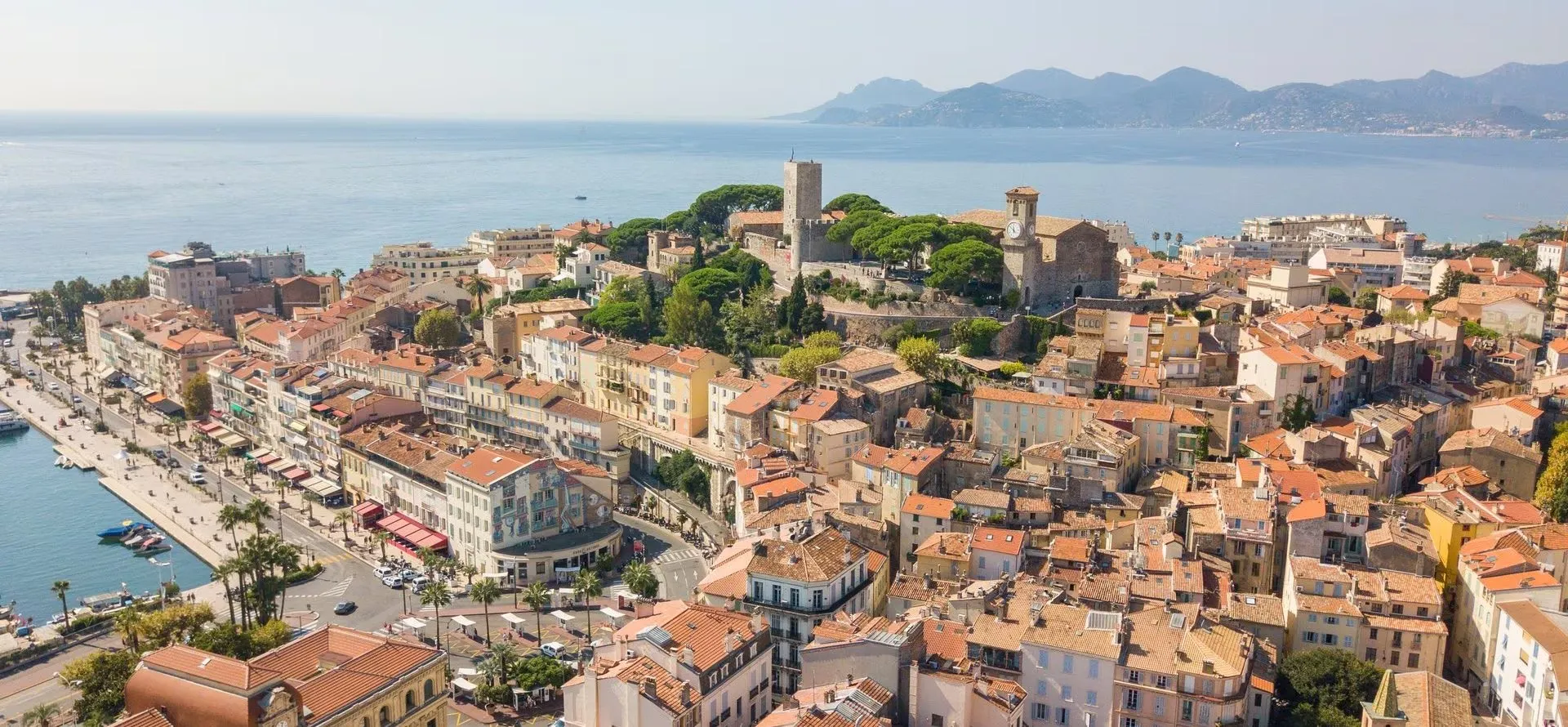
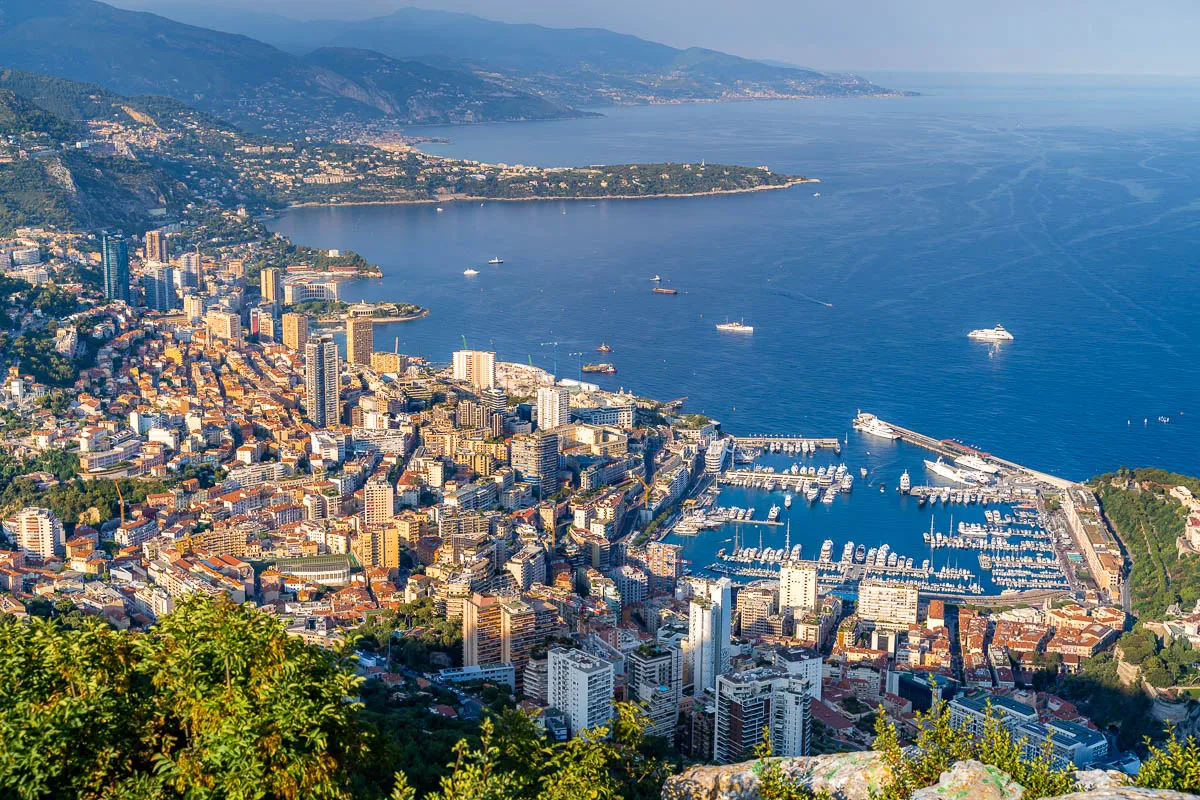
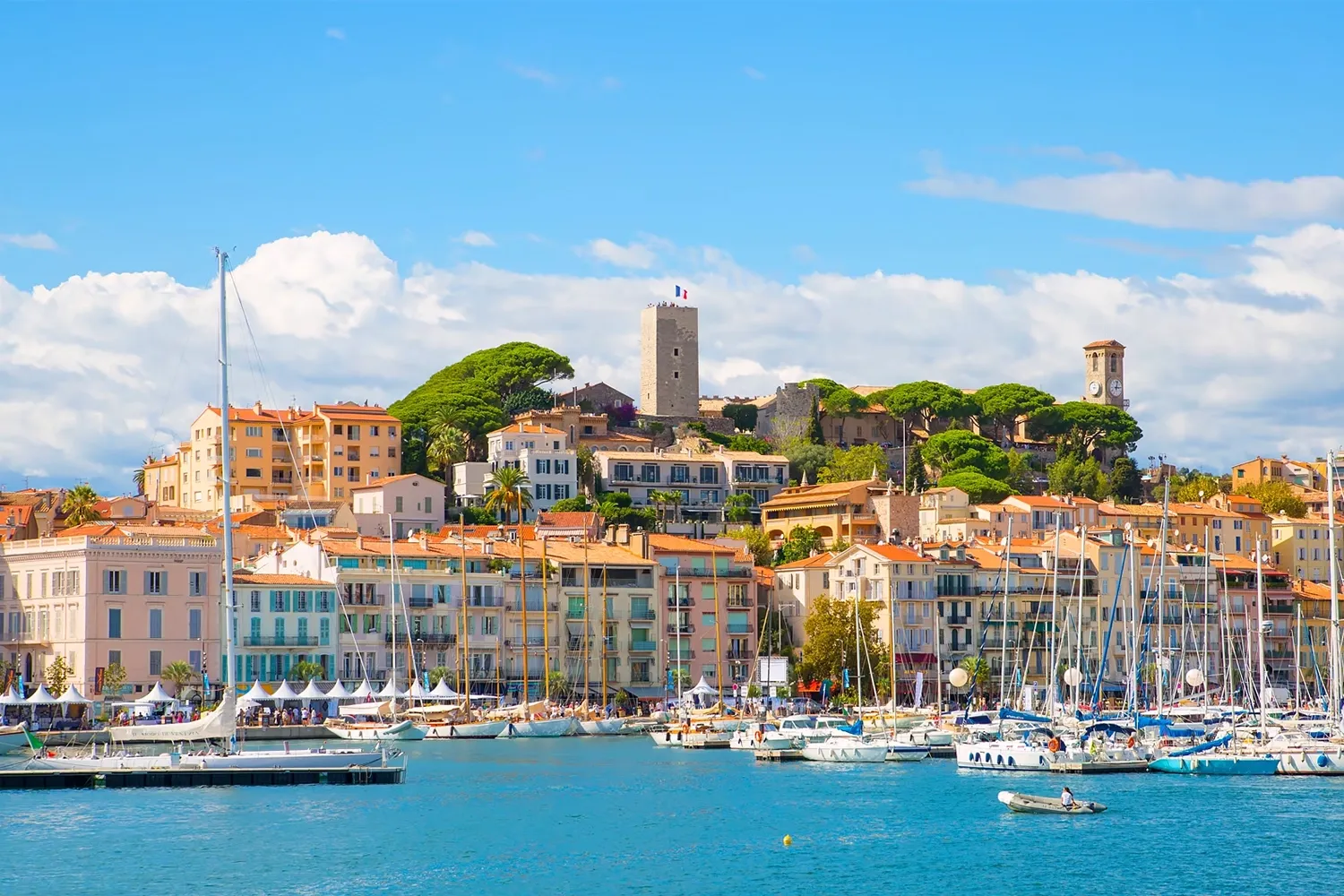
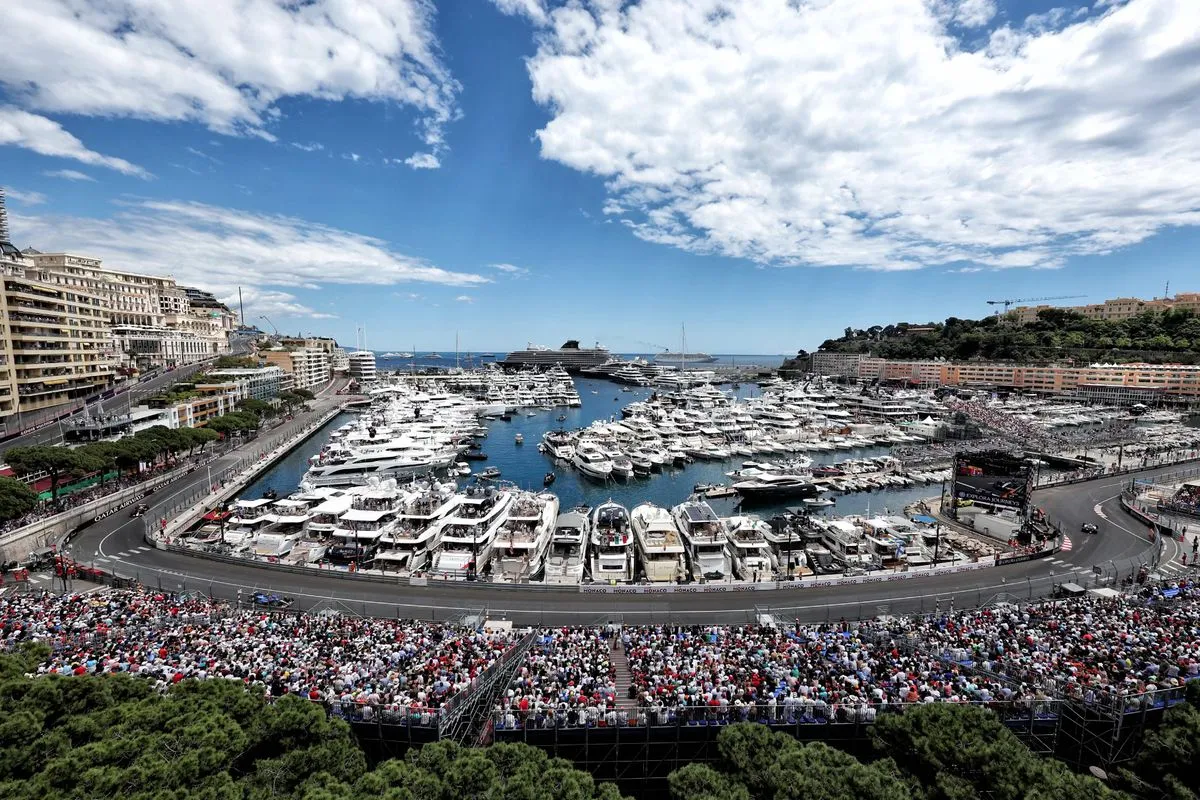
Late May is the most operationally dense fortnight of the year on the western Riviera. The Cannes Film Festival runs from mid to late May, and the Monaco Grand Prix follows in late May or, in some years, early June. Port Hercule berthing for the Grand Prix is allocated months ahead (sometimes years), and the Vieux Port in Cannes is reserved just as early for the festival. We have placed late-stage charters in both weeks, but the available yachts narrow quickly, and the rates do not soften.
August is the largest fleet of the year but the busiest anchorages. Between mid-July and the third week of August the eastern Cyclades, the inner Costa Smeralda anchorages and the Pampelonne bay all fill consistently. Cruising in August is rewarding for the social density and the weather; less so for the routing flexibility.
Early September draws the international fleet back to the western Mediterranean for the boat shows and the autumn regattas. The Maxi Yacht Rolex Cup off Porto Cervo and the Cannes Yachting Festival fall within days of each other, in some years in the same week, and yacht availability tightens around the same dates. The Monaco Yacht Show follows in late September.
The shoulder weeks, early June and late September, return the most consistently rewarding cruising. Anchorages are calmer, winds are lighter, and yacht availability is open. June in particular favours the central Cyclades and the Tramuntana coast of Mallorca; September favours the Riviera and Sardinia.
Where the fleet is
The international charter fleet is not evenly distributed across the Mediterranean. Roughly, the western half (Riviera, Italy, Balearics) carries the larger motor-yacht inventory and the more contemporary tri-deck stock. The eastern Mediterranean (Greek islands, Turkish coast) carries more sailing yachts and a higher share of owner-operated programmes.
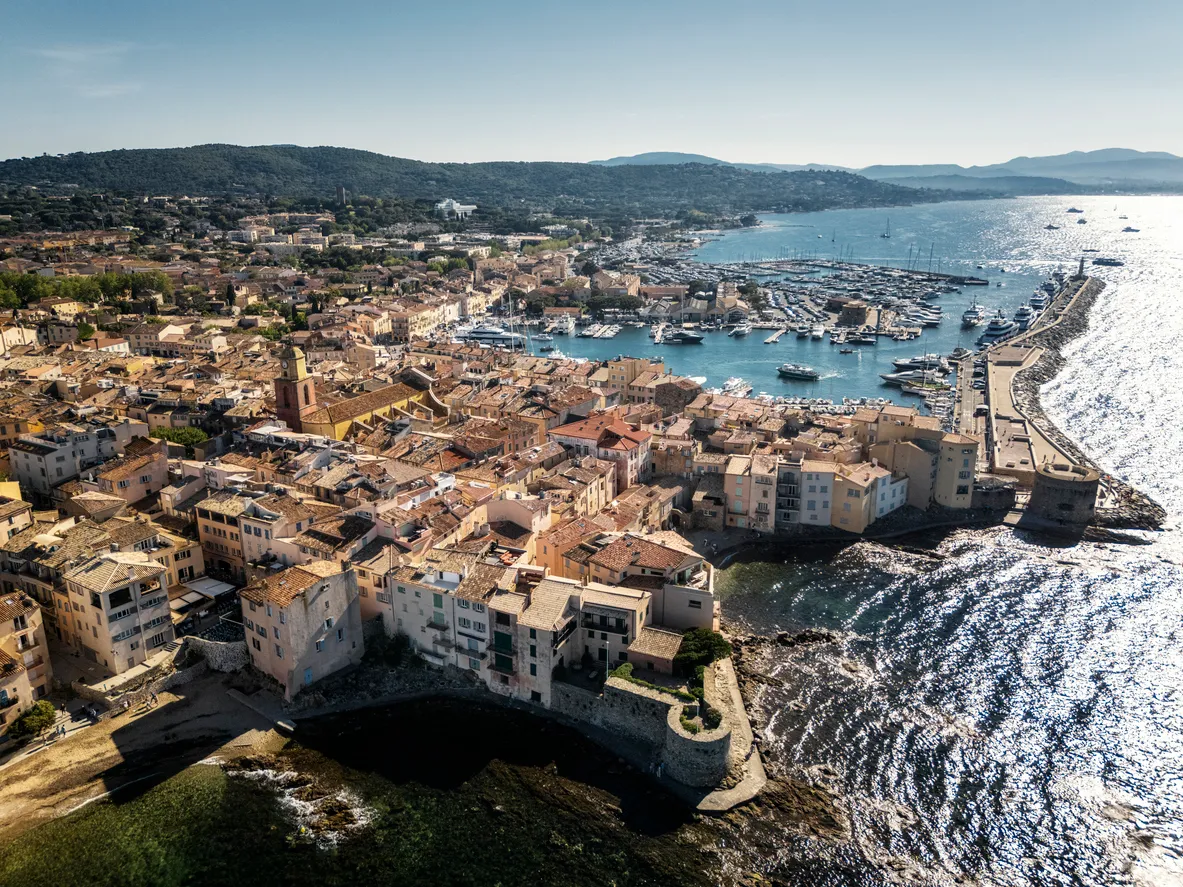
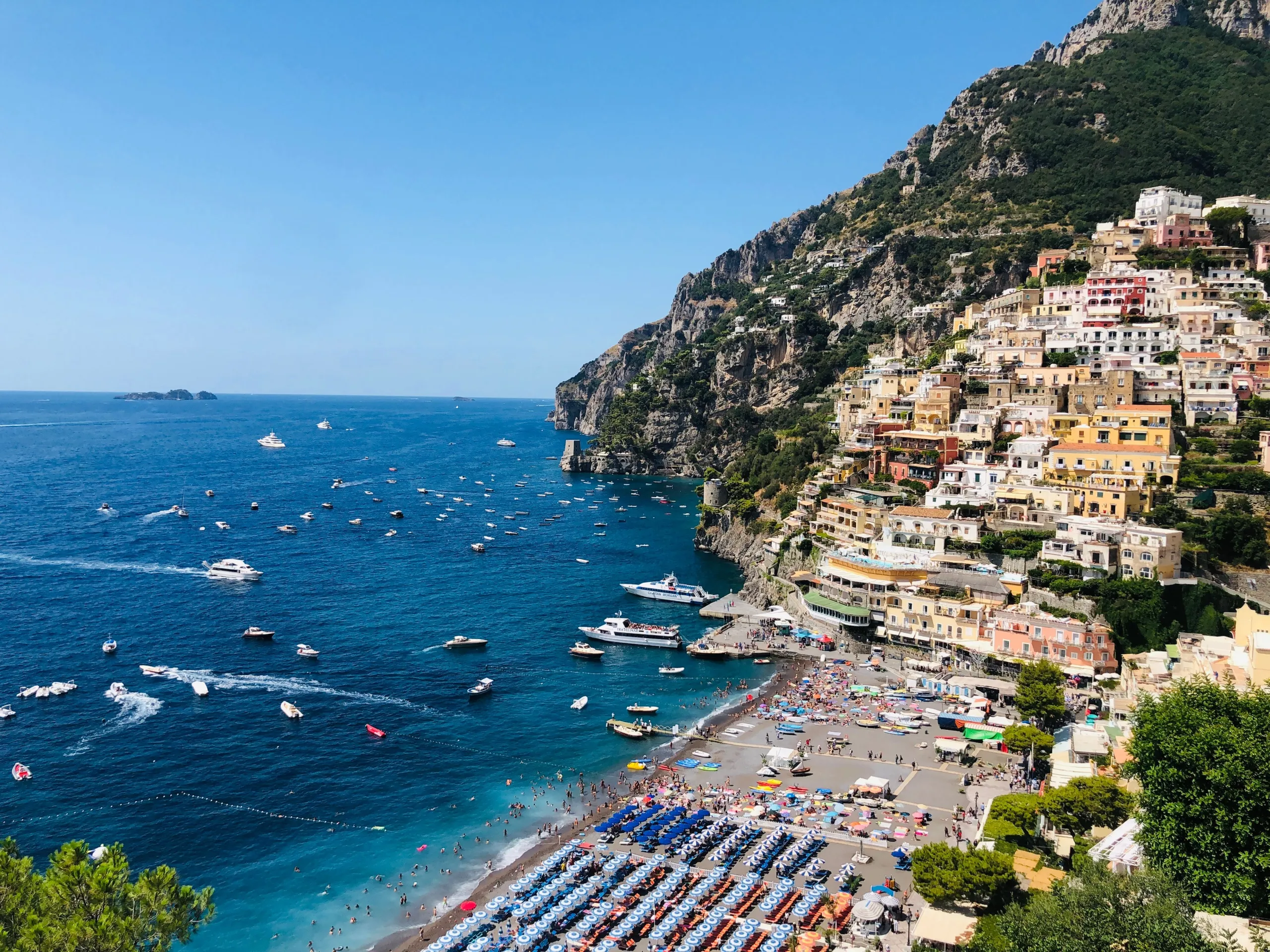
The Riviera is one of the densest charter markets in the world. The strip from Saint-Tropez through Cannes and Monaco runs five or six superyacht harbours along some fifty nautical miles of coast; yachts reposition between them through the season. The Italian Riviera sits just east, and Sardinia's Costa Smeralda and Capri further south-east, on the same calendar, and most weekly charters extend in one direction or the other.
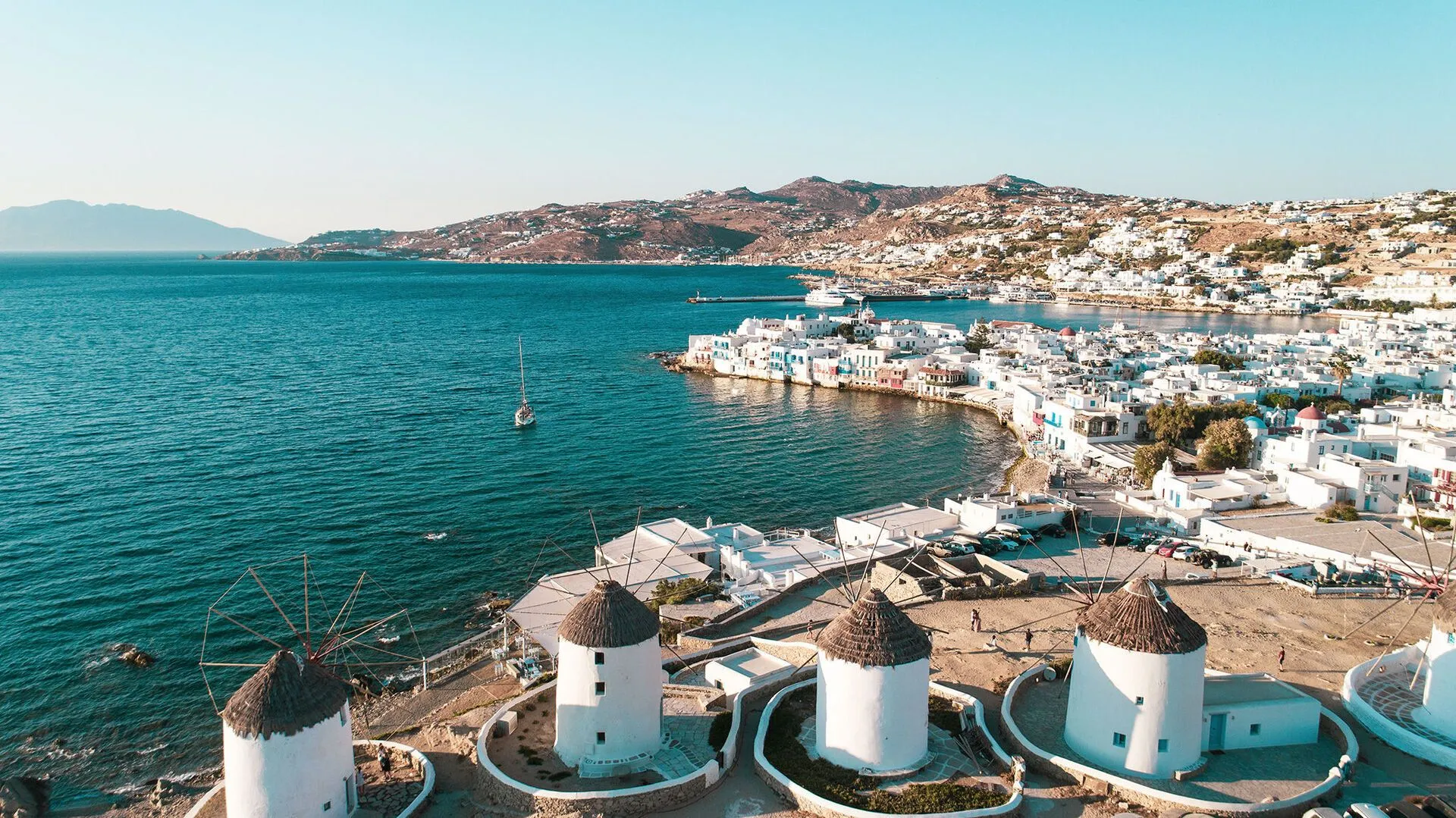
The Greek islands operate differently. The Cyclades cruising window is shorter (peak runs roughly mid-June to early September), and the meltemi wind shapes the daily routing through July and August. The Greek fleet, most of it based around Athens, is smaller than the Riviera fleet but no less competent, and it suits clients who prefer the sailing register or the quieter anchorages.
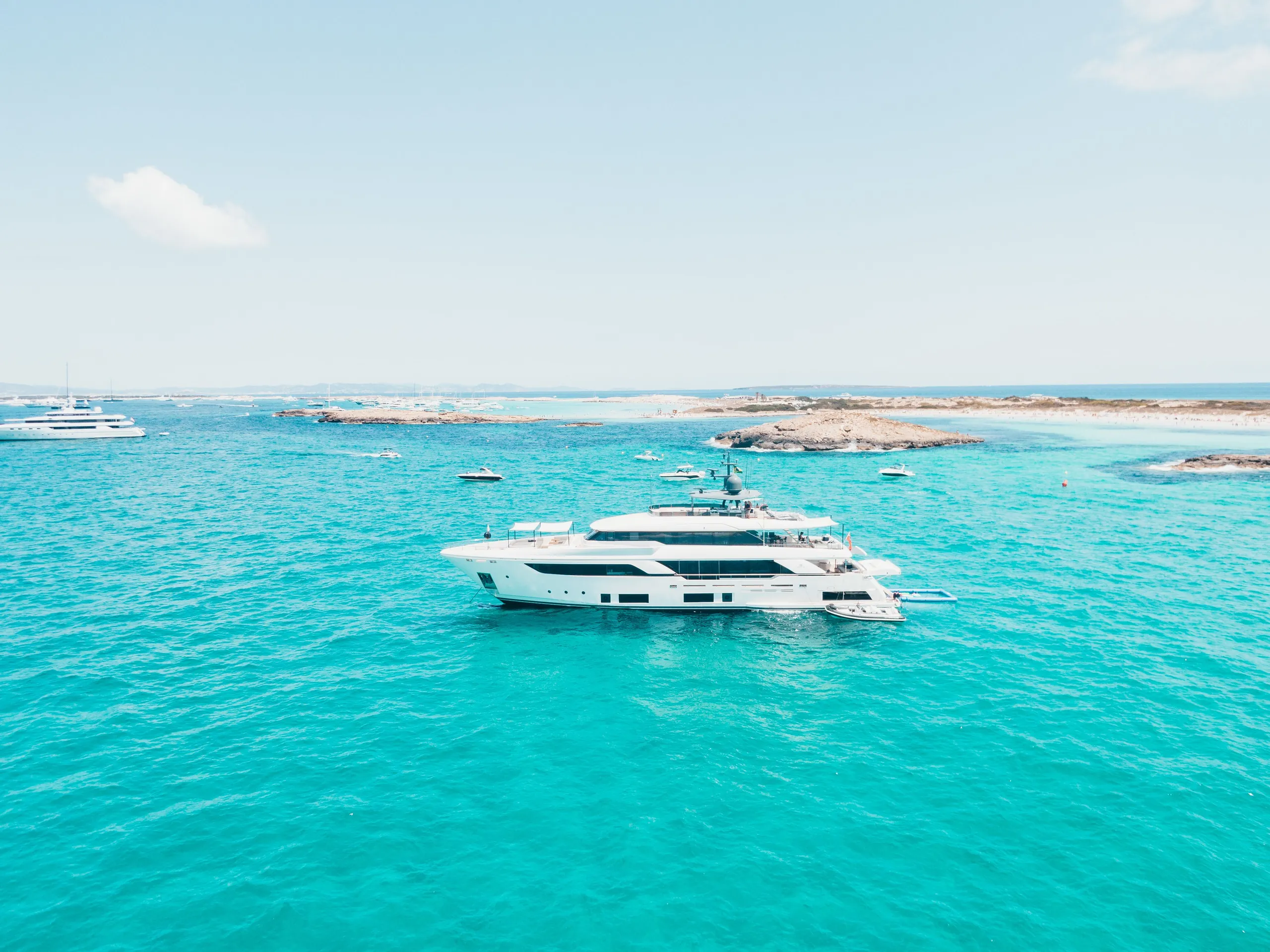
The Balearics have become a major charter market in their own right. Marina Ibiza and Palma de Mallorca are the principal embarkation ports. The cruising profile suits clients who want shorter passages, social-led days, and the option of Formentera or the Tramuntana coast inside a week.
When to brief
For peak weeks (late May, mid-August, the September shows), brief twelve months in advance. The yachts that hold their schedules across multiple seasons fill those windows first; what reaches the open market afterwards is the secondary inventory. We have closed late-stage briefs against peak weeks, but the options narrow steeply and the rates do not.
For shoulder weeks, six months is typically sufficient. For the deep shoulders (early June, the first half of October), three months can still return strong options. Day charters and short-format weeks can sometimes be arranged inside thirty days, though yacht charter in Dubai is a market where, for most of the year, a few days' notice is enough.
The general principle: the longer the lead time, the better the shortlist. Three to five yachts that fit the brief is a stronger return than ten that almost do.
What the rate covers
A Mediterranean charter rate is a weekly figure quoted in euros, exclusive of fuel, food, beverages, harbour fees and VAT. The base rate covers the yacht and crew. Everything else moves through the Advance Provisioning Allowance (the APA), which is paid up front, typically at 25 to 35 percent of the base rate, and reconciled at the end of the charter.
VAT applies in EU waters at a rate that depends on the country and the cruising area, and the applicable tax is set out before anything is signed.
Crew gratuity is paid at the end of the charter, conventionally 5 to 15 percent of the base rate. It is not a service charge and not built into the rate. The convention is well understood across the international fleet.
Patterns we see
A few patterns are worth knowing.
-
Most weekly charters are seven nights, embarking and disembarking from the same port. Cross-Mediterranean routings exist but require time to plan and the right yacht.
-
The Greek islands reward longer charters more than the Riviera does. Seven nights in the Cyclades feels short; ten to fourteen feels right.
-
Sardinia and the Costa Smeralda are best in the second half of June and early September. Mid-July to mid-August is the most demanded period of the Italian coast.
-
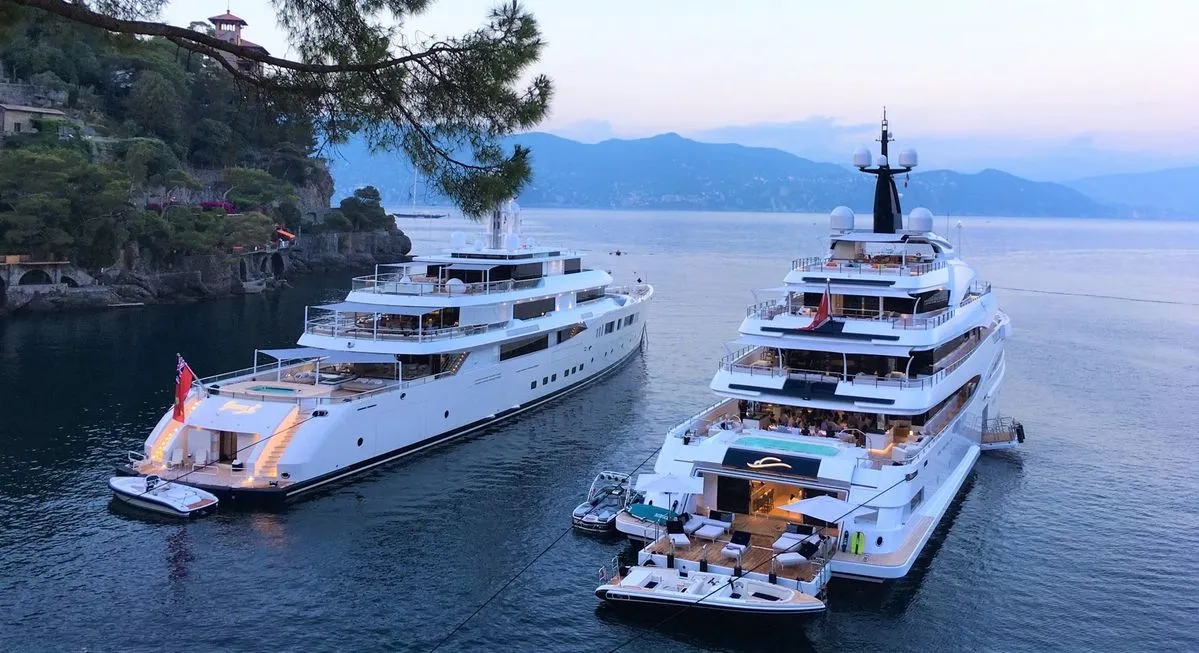
Portofino and the Cinque Terre are destinations rather than bases. Charters that include them embark in Genoa or the Gulf of Tigullio, or route in from Monaco, about seven hours under way.
-
Day charter is the format where short notice is most often workable, on the Riviera, in Dubai and in the Cyclades alike, weather permitting.
The Mediterranean is one of the most well-documented charter markets in the world. The information online is plentiful and not always accurate. The brokerage view is the considered one: the yacht our advisors have shipped before, the crew we know by name, the anchorage we have routed to in the same week last year. Briefing well in advance is usually the difference between the right yacht and the available one.