Most of the value in a Saint-Tropez charter is in the day-tender programme: the yacht is the platform, the beach club is the destination. The town's harbour is small, its anchorages are predictable, and the cruising is short-range. What changes from one week to the next is the social and event calendar that determines the rates, and reading that calendar correctly is most of the advisor's work on a Saint-Tropez week.
Saint-Tropez sits at the western end of the classic Côte d'Azur arc, an hour east of Cannes by sea and two hours west of Monaco. From the brokerage desk it is the most demanded port of the Riviera during August, the calmest in early June and late September, and the most operationally complex during the Polo de Saint-Tropez and the Voiles de Saint-Tropez. The headline figure most guests ask about, the weekly rate, is downstream of those two facts: demand and event week. We price a Saint-Tropez charter against the calendar before we price it against the yacht.
The harbour, the anchorage, and Port Gallice
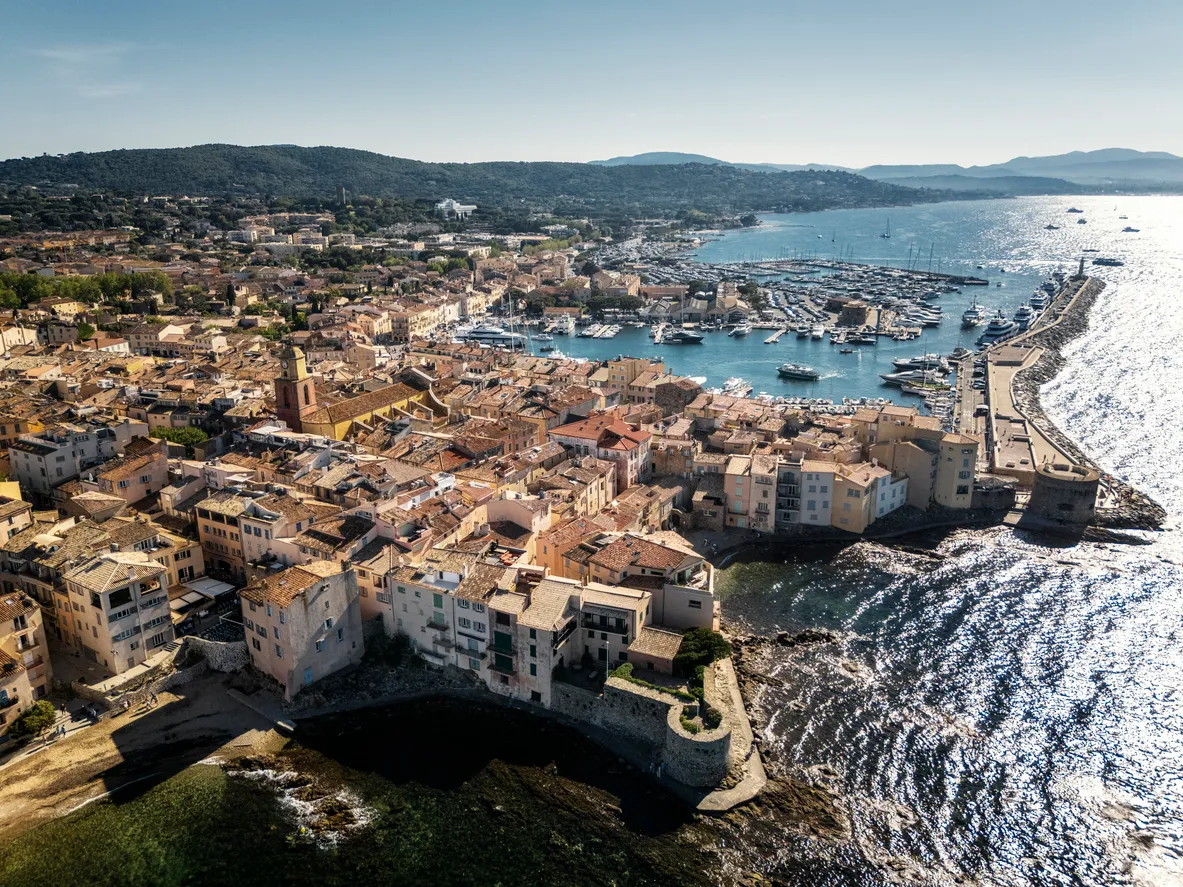
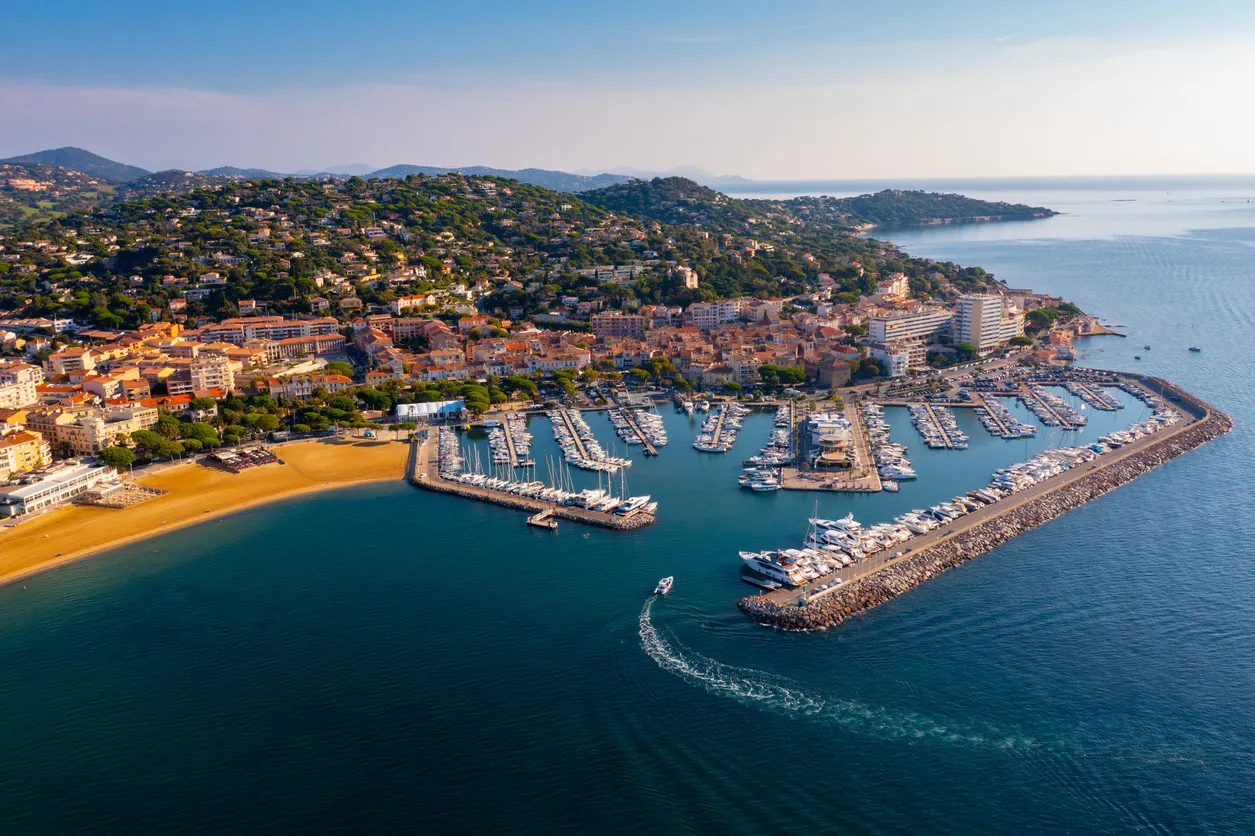
Saint-Tropez operates a single town harbour, the Vieux Port, which holds about ninety berths and is dominated by long-term seasonal contracts. Stern-to mooring for charter yachts in the Vieux Port during August is materially unavailable to weekly visitors; the published berth fees are book-keeping rather than a real option for the high season. The handful of stern-to slots that do turn over inside the season tend to go to repeat captains and house relationships, which is one more reason the working answer rarely sits inside the harbour wall.
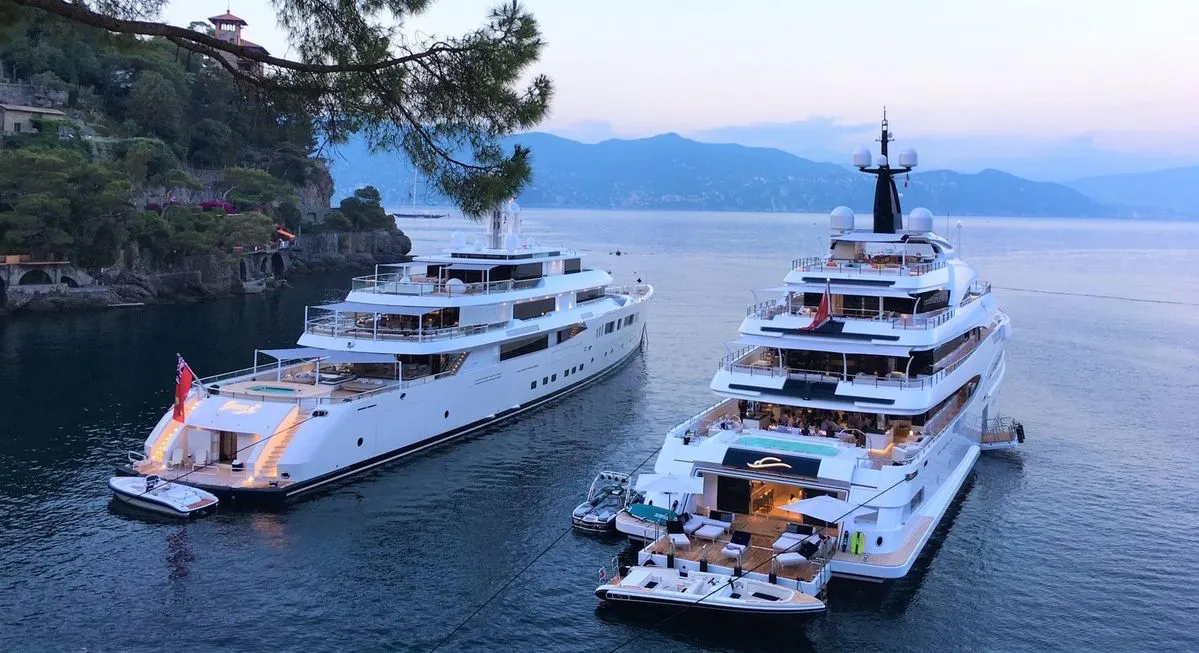
The working answer for most charters is the anchorage off the Plage des Canebiers and the Plage des Salins, immediately east of town. Both are deep, sheltered, and within tender range of the Vieux Port pier. The Canebiers anchorage is the more protected of the two when the prevailing westerly builds; the Salins side is the better light in the afternoon and the quieter swim. Larger yachts use the Pampelonne anchorage off Plage de Pampelonne: a fifteen-minute tender to the beach clubs, a twenty-minute coastal cruise back to town. One operational note worth flagging early is the mistral, the dry northwesterly that can build over a day or two; when it does, the eastern anchorages off Canebiers and Salins become the comfortable choice and a good captain shifts there before the swell sets in.
Port Gallice in Juan-les-Pins, around two hours east by sea, is sometimes used as the actual berth-base for charters with Saint-Tropez as the primary daytime destination. Berthing is more available, the harbour-side operations are calmer, and the route into Pampelonne is straightforward. The trade-off is the daily passage time, so we tend to propose Port Gallice as a base only when the week leans east toward Cannes and the Cap as well as into Pampelonne.
Pampelonne beach club logistics
The beach clubs along Pampelonne are the primary daytime destination for a Saint-Tropez charter: Club 55, La Réserve à la Plage, Loulou, Bagatelle, and the cluster of newer arrivals at the southern end. Each club has its own tender-drop protocol, table-booking lead time, and house preference. The clubs read as interchangeable from a distance and are not: Club 55 is the long lunch and the quiet table, Loulou and Bagatelle run later and louder, and La Réserve à la Plage sits between the two in register. Matching the club to the day, and to the guests, is part of how we build the roster.
The operational reality is that beach club bookings during August need to be in place at least two weeks ahead. For the marquee clubs and for high-event weeks, the lead time runs materially longer. Most charters that route through Pampelonne work from a pre-confirmed beach-club roster rather than asking the captain to find a table on the day. We handle this lead-time arrangement as part of the charter preparation, and we confirm the roster against the yacht's tender capability before it goes to the clubs, because a table you cannot land at is no table at all.
Tender drop at Club 55 is via the beach landing: a flat-bottom tender, a dry-bag transfer for shoes, and back through the same point an hour or three later. Larger and faster tenders are operationally awkward at the Pampelonne landings; most yachts deploy a smaller chase boat for the beach run. This is one of the quiet reasons tender inventory matters more here than elsewhere on the coast: a yacht with a single large limousine tender and no beach-capable second boat is at a real disadvantage on a Pampelonne week, and we weigh that when we shortlist.
The two big weeks: Polo and Voiles
The Polo de Saint-Tropez runs across late July, and the Voiles de Saint-Tropez follows at the end of September. Both materially distort the harbour and anchorage availability and push the weekly rate above the standard August Riviera figure.
Polo week brings the social side of the season: the matches are at the Polo Club Saint-Tropez at Gassin, the evening calendar is town-based, and the daytime cruising is light. Charters during Polo week are demanded for the evening hosting more than the day routing. The practical consequence is that the yacht earns its keep at anchor off Canebiers in the evening as a hosting platform, and the day programme is secondary; we brief captains accordingly so the crew rhythm matches the week rather than fighting it.
Voiles week, the late-September classic-yacht regatta, is operationally more involved. The harbour fills with sail yachts on race rotation; the cruising waters off Pampelonne and toward Sainte-Maxime become race courses; the published guest-yacht advisories should be read in detail by any charter captain working the week. For weekly charter guests not connected to the regatta, the deeper September week immediately after Voiles delivers the best Saint-Tropez of the year: empty harbour, empty anchorages, reliable weather, low rates.
August reality
August at Saint-Tropez is the densest week on the Mediterranean calendar. The harbour traffic, the anchorage population, the beach-club waiting lists, and the rate sheet all compress into the four weeks between roughly 25 July and 25 August. The first and last weeks of that window are operationally less demanding than the middle two. For clients who want Saint-Tropez but not the densest version, this is the brief.
The shoulder months (early June, mid-September) deliver materially better operational conditions. The beach clubs are open and uncrowded, the anchorages are empty by 18:00, the weather is reliable, and the international fleet is available at lower rates. The shoulder weeks are also when the better yachts have not yet committed their full summer schedule, so the field of available boats is genuinely wider; if the dates are flexible at all, this is the single change that most improves a Saint-Tropez week. For the broader seasonal picture across the basin, the Mediterranean charter guide sets out the same shoulder-season logic at the level of the whole coast.
Saint-Tropez and the rest of the Riviera
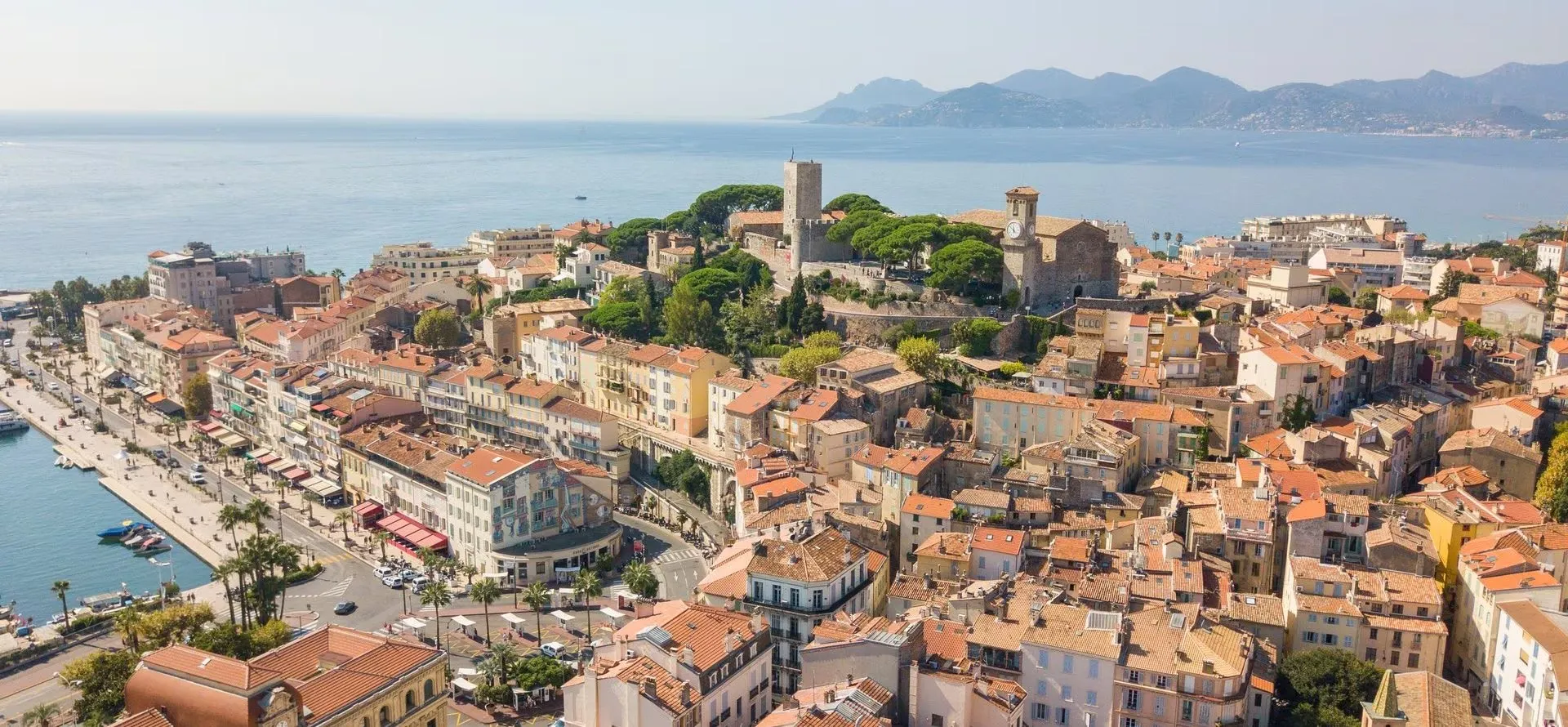
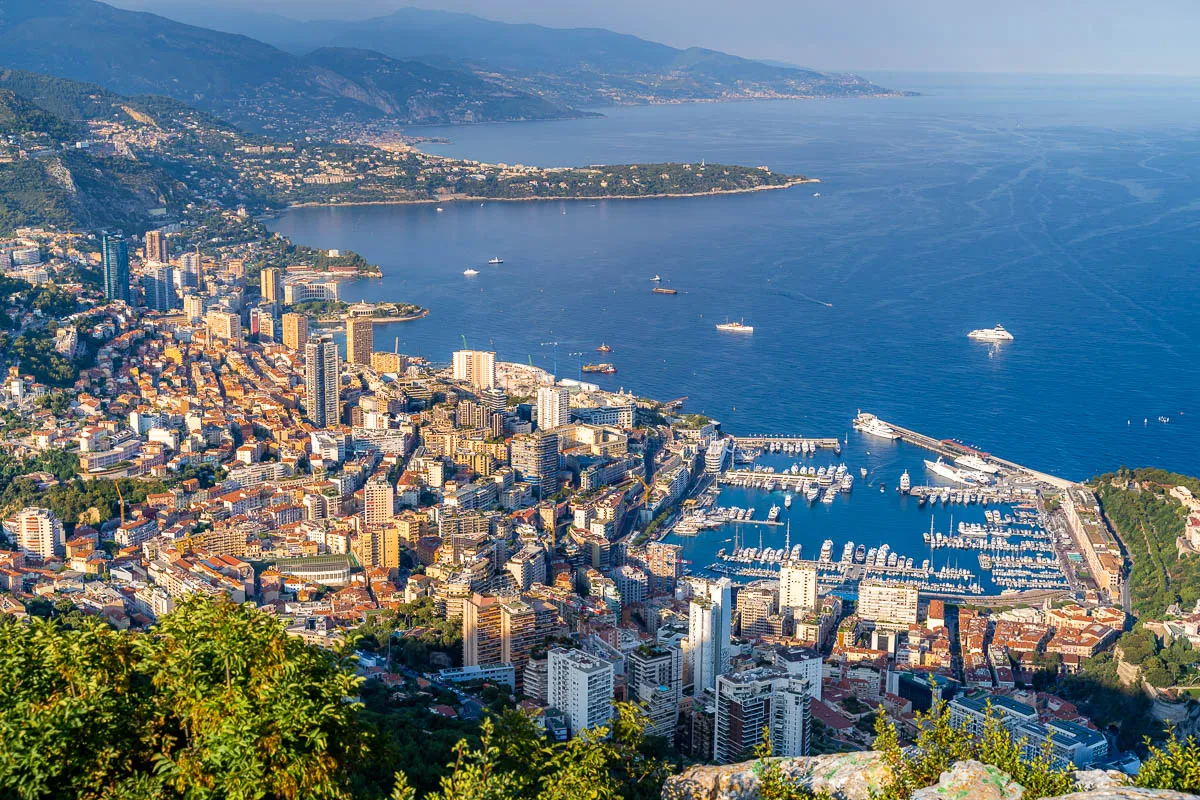
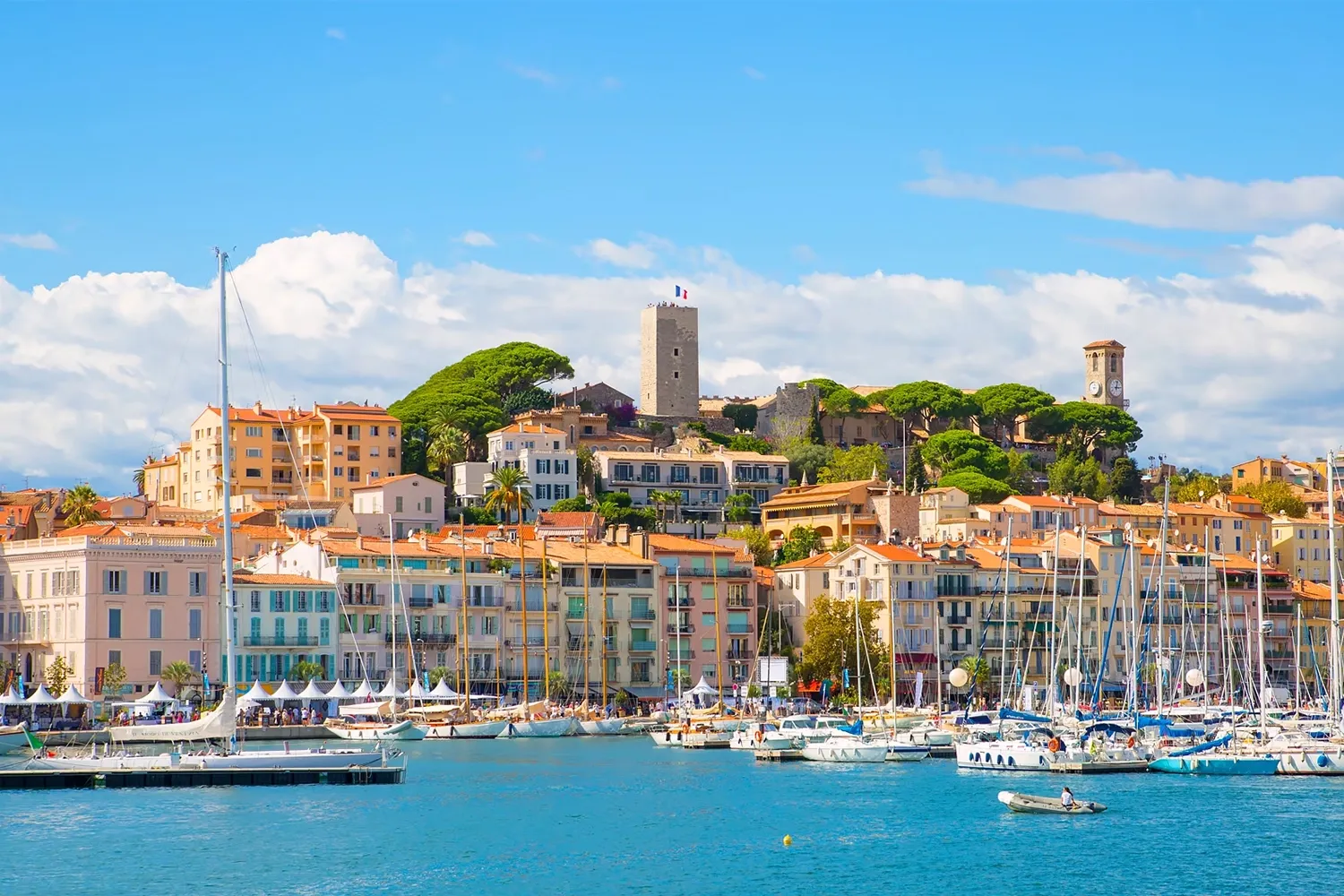
Most weekly charters from Saint-Tropez do not stay only in Saint-Tropez. The canonical Côte d'Azur week routes Saint-Tropez to Cannes to Cap d'Antibes to Monaco and back, with Saint-Tropez as the western anchor. The yacht serves as the floating accommodation; the day routings are short and predictable. If the week leans east toward the islands and the festival coast, the Cannes charter guide is the natural companion to this one, and the two ports together make the strongest case for a yacht as the base rather than a hotel.
The cross-Mediterranean extension from Saint-Tropez goes south to Sardinia: about a twelve-hour overnight run, calm in summer, and the gateway to the Costa Smeralda and the Maddalena archipelago for a second week. Most yachts that summer at Saint-Tropez offer this two-week pairing on direct enquiry, and it is the natural step up into a longer superyacht charter for principals who want range as well as a beach-club base. The choice of yacht for the pairing is different from the choice for a town-and-Pampelonne week, because the Sardinia leg rewards sea-keeping and a longer cruising tender over a pure day-boat fit-out.
What the published guides do not capture is that the operational rhythm of a Saint-Tropez charter is built around the daytime tender programme, not the yacht's cruising. Settle the beach-club calendar first; the yacht's berthing and anchorage choices follow from that, and the right yacht charter for the week is the one whose tenders, anchorage habits, and evening hosting match the roster you have already built.