Private yacht charter in Antibes
Antibes lies at the western end of the Baie des Anges, on the French Riviera, where the pine-covered headland of the Cap d'Antibes divides the old town from Juan-les-Pins. It is one of the working centres of the Riviera's yachting trade: many of the coast's larger yachts winter here, crews are based here out of season, and a good share of the boats chartered in July are lying in Port Vauban in February. Starting from Antibes often means starting where the yacht already is.
Antibes from the water
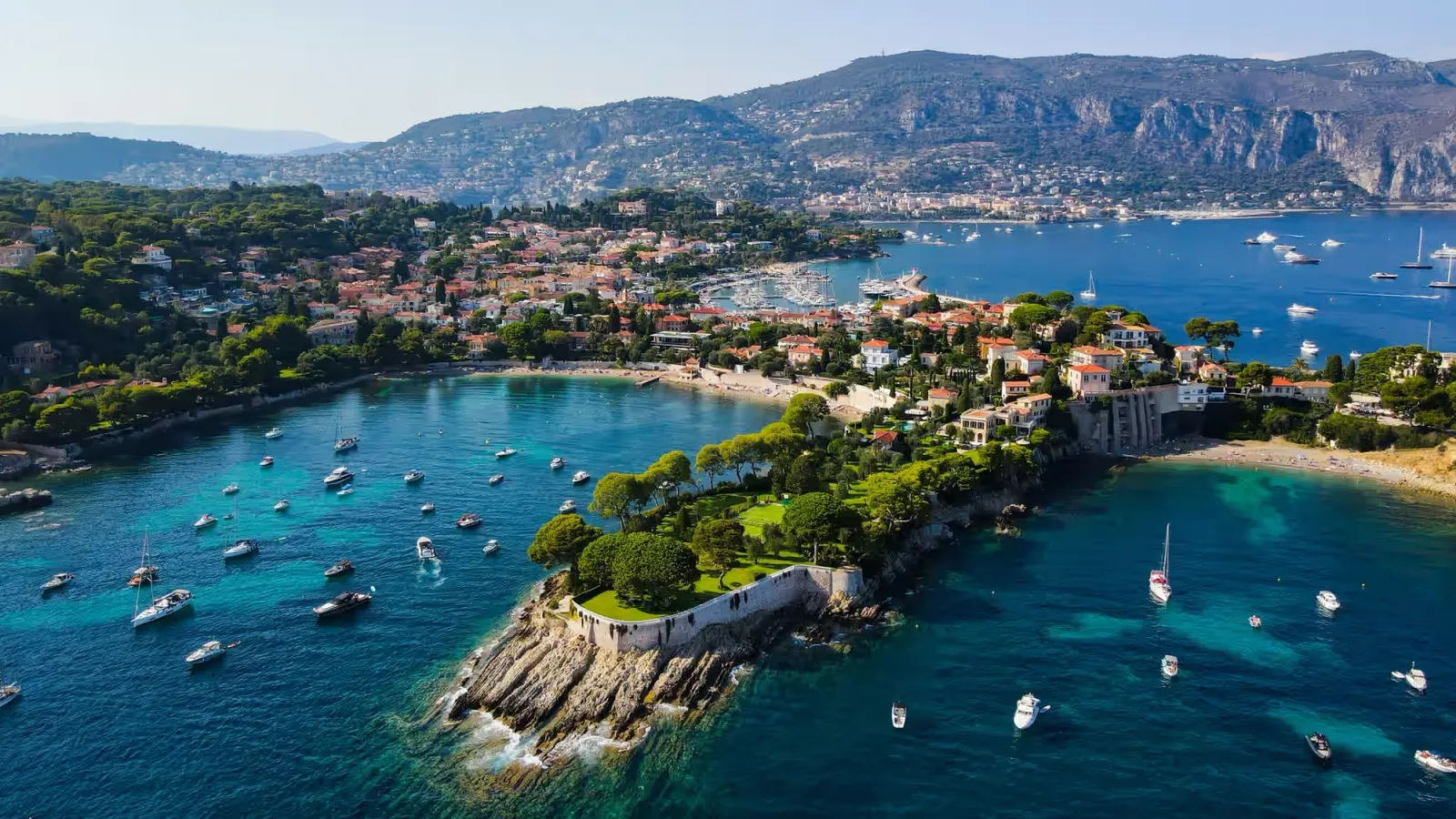
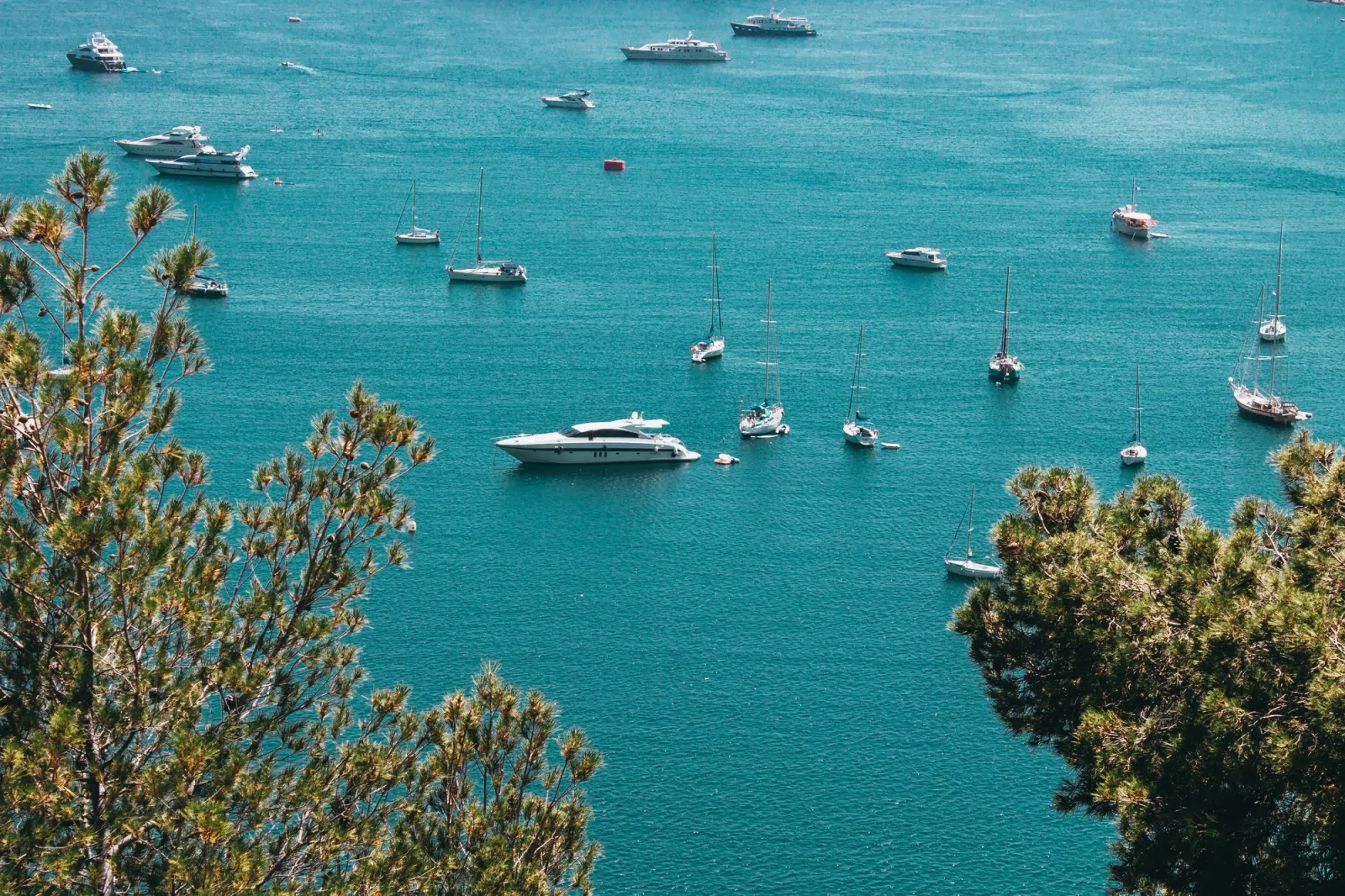
The Cap d'Antibes. The anchorages off the Garoupe and the coves on the eastern side of the Cap are sheltered from the westerlies, with a swim within sight of the headland. This is the quiet part of the coast.
Juan-les-Pins. The western side of the Cap is livelier and catches the late afternoon light. In the evening many yachts move here or return to Port Vauban, and dinner is taken ashore in the old town or in Juan-les-Pins.
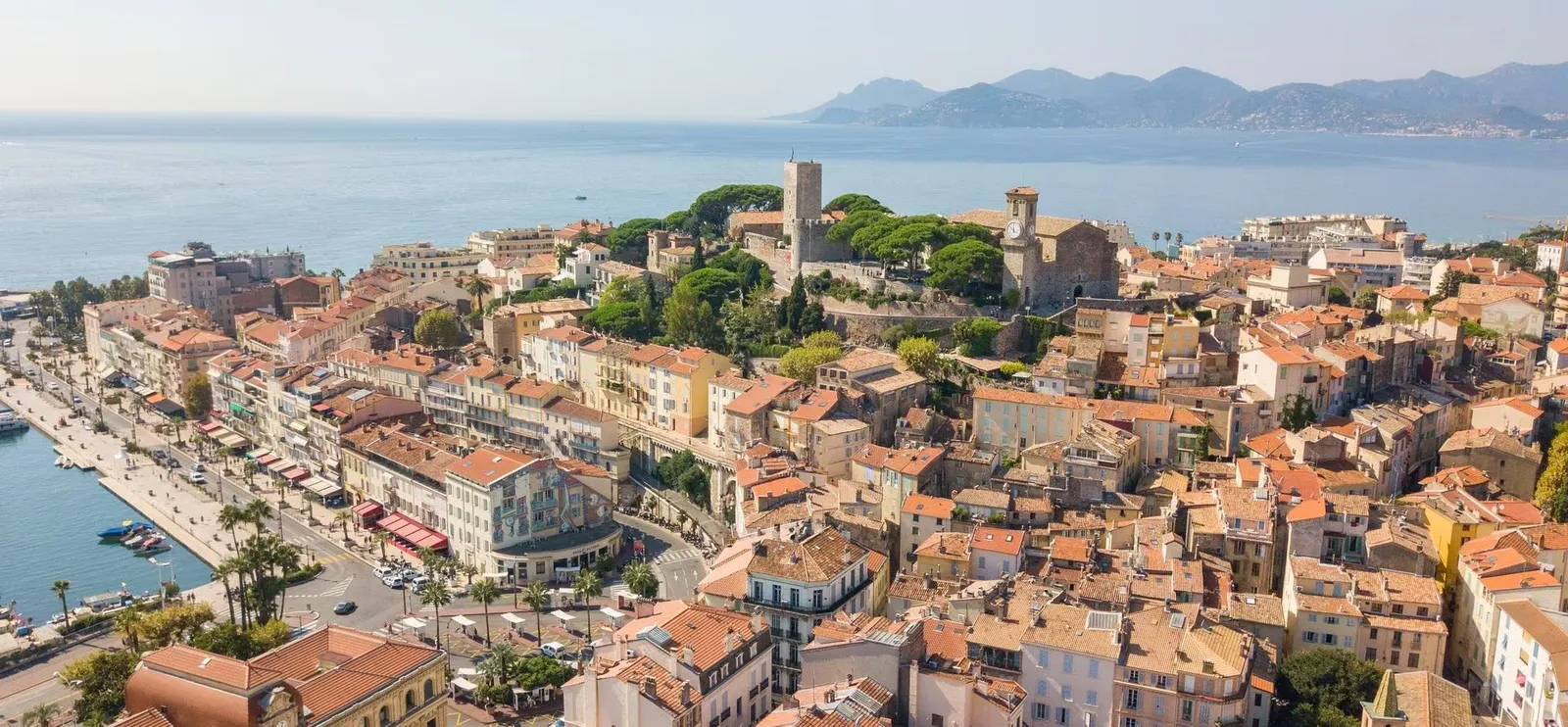
The Lérins islands. West of the Cap, off Cannes, Sainte-Marguerite is wooded and quiet, and the channel between it and Saint-Honorat is the classic lunch anchorage. Saint-Honorat is still home to a Cistercian community that tends its vines, and landing on both islands is regulated.
Golfe-Juan. Between the Cap and Cannes, Golfe-Juan has one of the anchoring zones set aside for the largest yachts, and embarkation can also be arranged there when it suits the route.
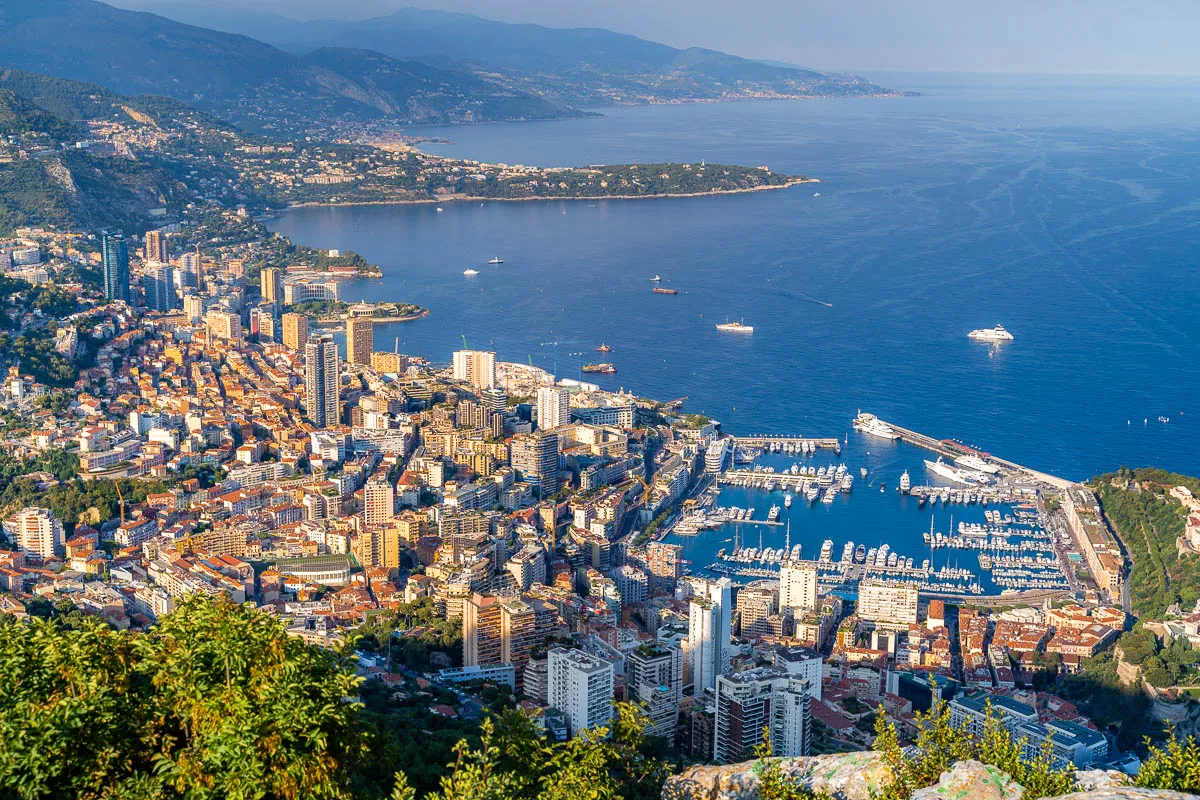
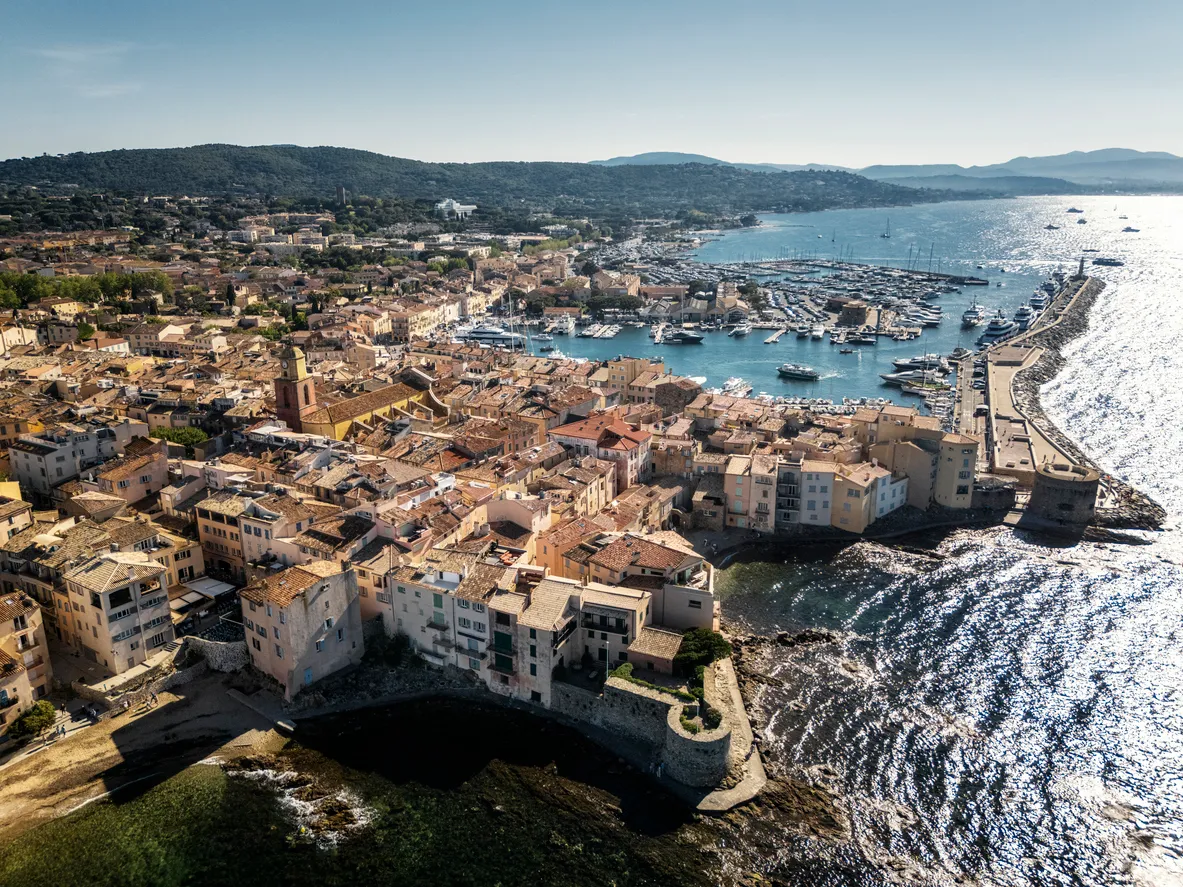
From Antibes, a week can run west to Cannes and on to Saint-Tropez, or east to Monaco, with the Cap as the centre to return to.
Port Vauban
Port Vauban is one of the largest marinas on the French Riviera, set directly below the ramparts of the old town. Its deep-water quay on the seaward mole, the Quai des Milliardaires, takes yachts well above sixty metres, so a charter at the upper end often starts from there. Smaller and mid-sized yachts can also embark at Golfe-Juan or in the Cannes harbours.
Along this coast, yachts of 24 metres and over may anchor only outside the Posidonia seagrass zones mapped by the Préfecture maritime, and the largest use designated zones. The crew plans each stop accordingly.
The season
The season runs from June to September, with July and August the busiest weeks. Late May and September are often the better choice: the water is warm, the anchorages are quieter and more of the fleet is still available. The mistral, the dry north-westerly, can make the western anchorages uncomfortable for a day or two; the captain then moves to the lee of the Cap.
Our Antibes and Cap d'Antibes guide goes further on the coast, the tender logistics and the practical points.