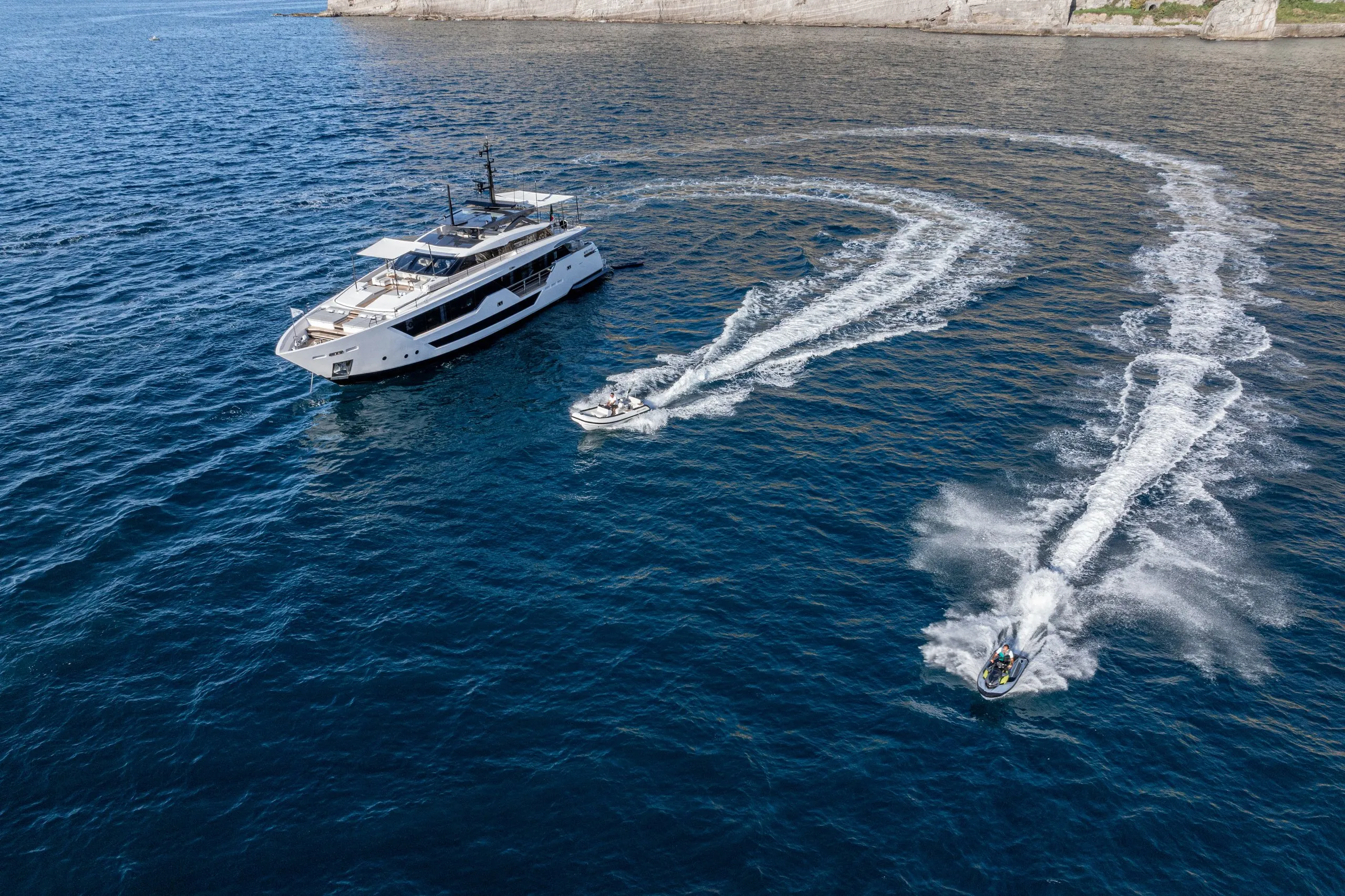
Most first charters go well; the few that don't usually trace back to a question the guest didn't know to ask. Almost never is it the yacht. The vessel arrives provisioned, the crew is competent, the weather behaves more often than not. What catches a first-time principal off guard is the shape of the week itself: when the days actually begin and end, how the money is held and spent, and what the crew is and is not there to do. None of it is complicated once it is laid out. The trouble is that it rarely gets laid out before someone signs.
The shape of the week
A standard Mediterranean charter runs Saturday to Saturday, seven nights, though the boundaries are softer than the calendar suggests. Embarkation is typically from late afternoon, often four o'clock, not because the yacht is unready but because the crew needs the changeover day to turn the vessel around: strip and remake every cabin, deep-clean, take on fresh provisions to your preference sheet, top up water and fuel. If you arrive at noon expecting to step aboard, you will likely be asked to wait. The reverse holds at the end. Disembarkation is usually by nine in the morning so the boat can be readied for the next guests. The last night is spent at anchor or alongside near the drop-off port, not somewhere romantic two hours away.
Between those bookends, the rhythm settles quickly. A typical day starts with breakfast served whenever you wake, a morning passage to the day's anchorage, swimming and water toys before lunch aboard, a slow afternoon, then either a second anchorage for the evening or a berth in port for dinner ashore. Most cruising guests overestimate how far they will travel. A good week covers ground in short, comfortable hops, not long deliveries; the captain will quietly steer you away from an itinerary that has you underway for six hours a day, because that is not a holiday, it is a passage. The mistake first-timers make is treating the route as a checklist of famous names. The better instinct is to pick an anchorage you like and stay two nights.
The crew, and how that relationship works
On a fully crewed yacht the crew lives aboard and works to you, but they are not your staff in the domestic sense, and the distinction matters. The captain has final authority on anything touching safety, navigation and the vessel; if he says the anchorage at Pampelonne is untenable in a building southerly, that is not a negotiation. Everything else is yours to shape. The chef will build menus around a preference sheet you complete before arrival, and the honest move is to be specific: allergies, the wine you actually drink, the fact that one of your party will not eat before ten. Vague sheets produce safe, generic food. Detailed ones produce the meals people remember.
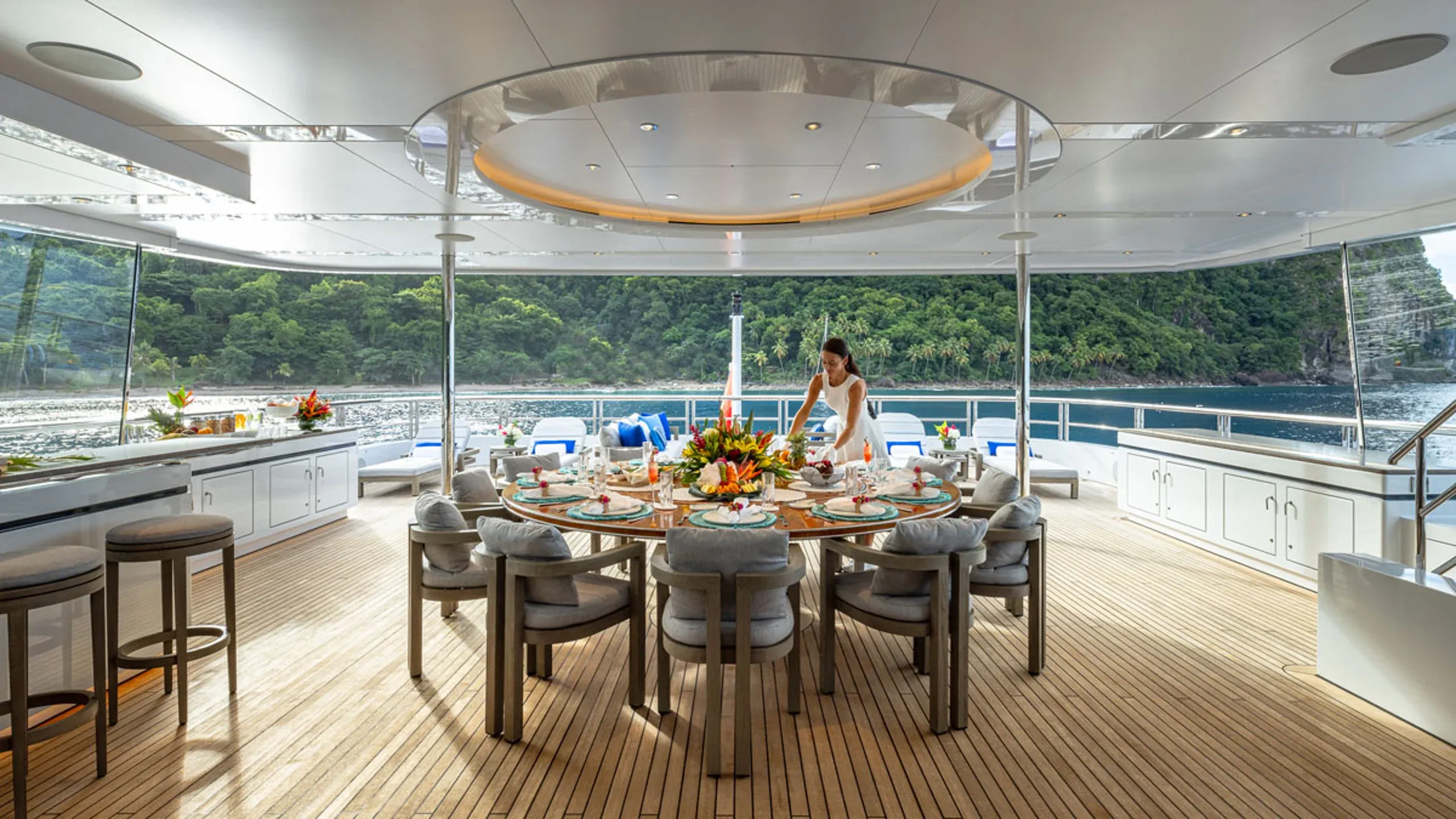
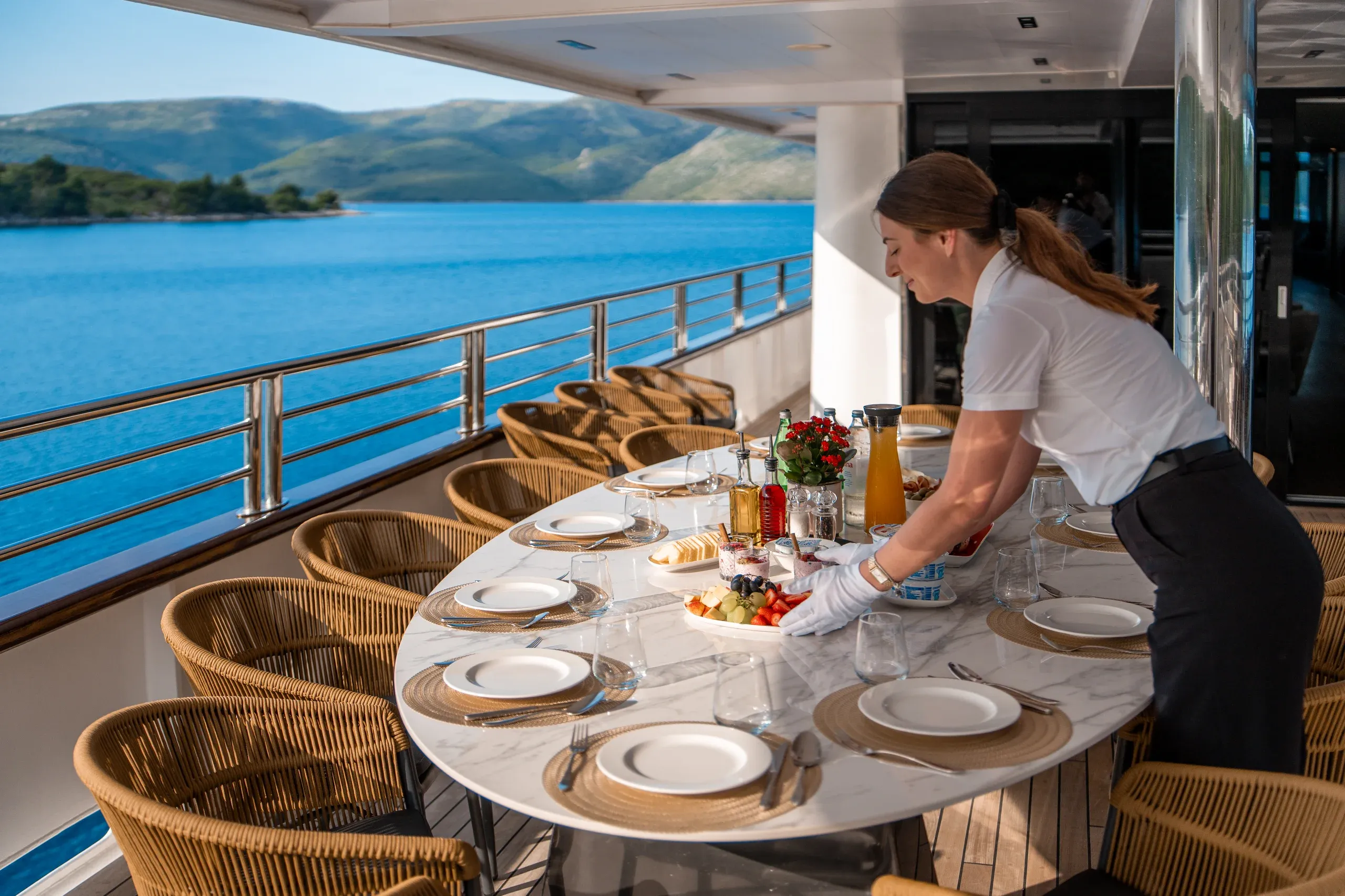
The chief stew runs the interior and the guest experience, and she is the person to tell, early and plainly, how you like to be looked after. Some guests want the crew visible and attentive; others want them to disappear between services. Either is fine, but say which. The crew cannot read intent, only instruction, and the best weeks are the ones where the principal sets the tone on the first evening rather than enduring three days of mismatch in silence. This is also why crew references matter as much as the yacht's specification. Two boats of identical size and age can deliver completely different weeks depending on who is aboard.
What is included, and what is not
This is where most surprises live, and it is worth being blunt. A charter fee covers the yacht, the crew's wages, the insurance and the use of the equipment aboard. It does not cover the running costs of your particular week. Those are handled through the APA, the Advance Provisioning Allowance, a float you pay ahead of embarkation, customarily around a quarter to a third of the charter fee. The APA funds fuel, food and drink, port and marina dues, and anything bought on your behalf. The captain accounts for it as the week goes, shows you the running balance, and returns the unspent portion at the end or asks for a top-up if you have run hot on fuel and Champagne. It is your money held in trust, not a fee, and the figures can be checked line by line.
A few costs sit outside even the APA and catch people out:
- Fuel is the swing item. A week of gentle anchoring burns very little; a guest who wants to be in a different marina every night, or who loves a fast tender, can multiply the bill. The yacht's cruising speed and your habits decide this, not the brochure.
- Dockage in high-season Riviera ports is genuinely expensive, and the marquee marinas in July and August are both costly and often full. Anchoring out is free and frequently nicer; a week split between anchorages and the occasional night alongside is the usual balance.
- The gratuity is a real line in the budget, not an afterthought. The customary range is around five to fifteen per cent of the charter fee, paid to the captain for the crew at the end of the week, scaled to the service you felt you received.
The mechanics of the APA and the tip reward a little study before you sign, and we have set them out in the charter toolkit on APA and gratuities. For the broader budget picture, including how the headline fee relates to the all-in cost, what a charter costs covers the arithmetic plainly.
How the planning actually runs
The good version of the process starts with a brief, not a boat. Before anyone sends you listings, the conversation should be about the week you want: how many of you, the ages and the mix, whether this is a quiet family week or a celebration with guests joining, the coast that appeals, the food, the pace. From that, a shortlist of three or four yachts is built, each one chosen because it fits the brief, not because it is available. A list of twenty options is a sign the brief was skipped. This is the heart of a yacht charter worth the name, and the order matters: brief first, then selection, then the boat.
Once a yacht is chosen, the booking is formalised on a standard industry contract, most often the MYBA charter agreement, which sets the dates, the fee, the APA, the cruising area and the cancellation terms. Payments are staged, typically a deposit on signature and the balance some weeks before embarkation, with the APA paid shortly before. Read the cruising area clause; it defines where the yacht may legally take you, and a Croatia-flagged itinerary is not the same as a France-and-Italy one. The full sequence, from first call to the preference sheet, is laid out in how the booking process works.
The exceptions worth knowing
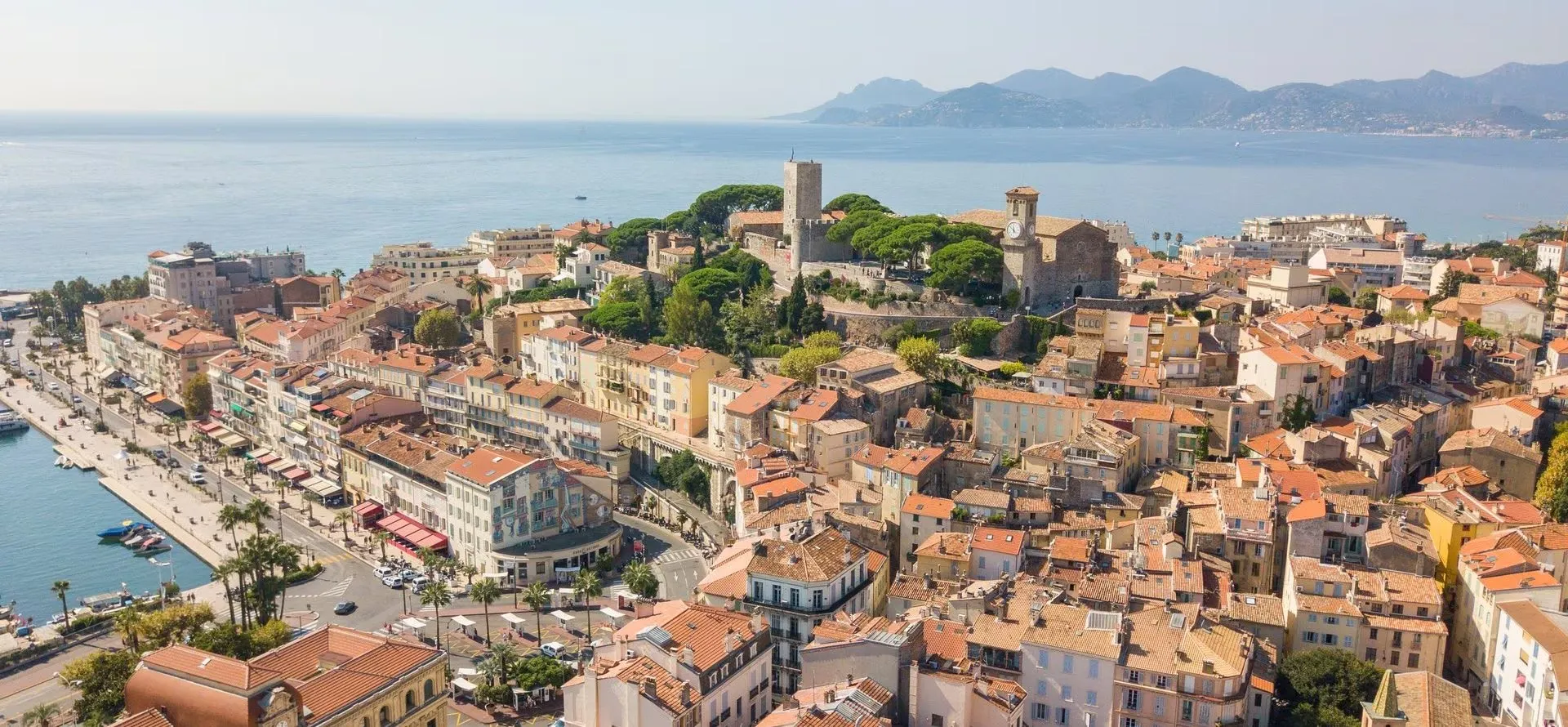
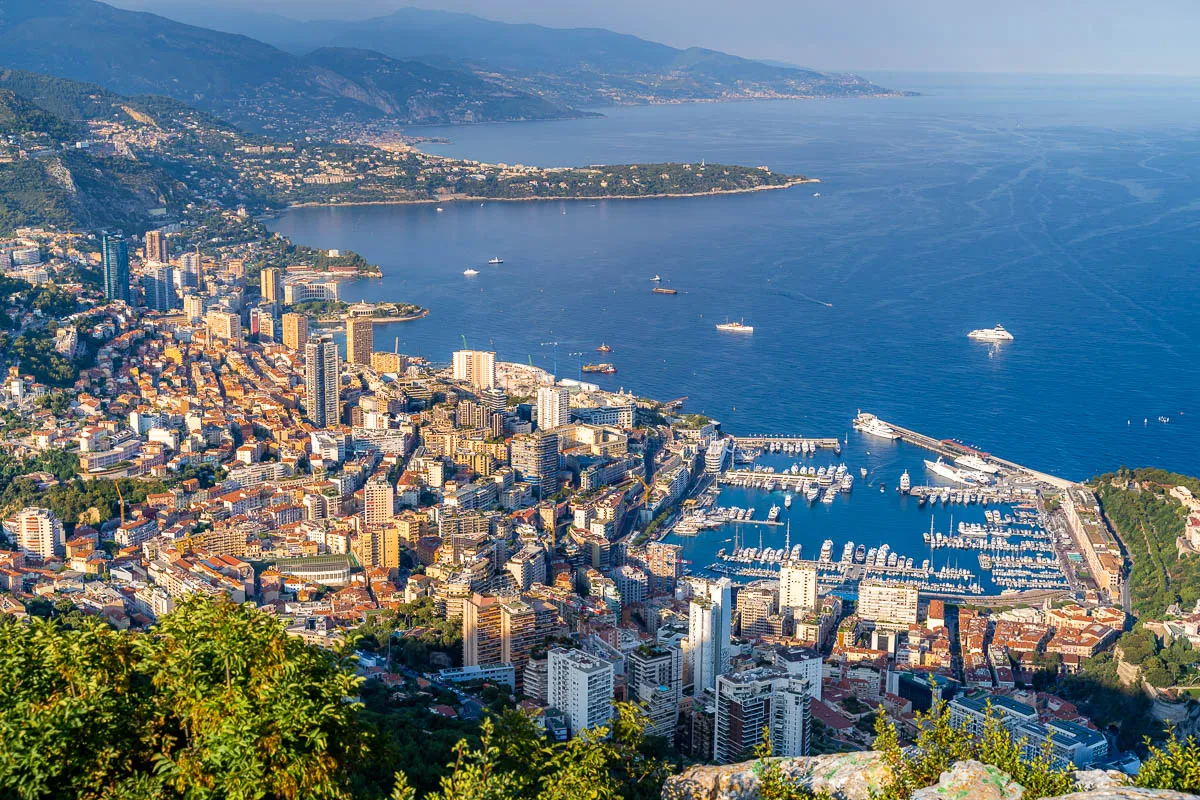
There are exceptions, and we note them where they matter. Charters during the marquee weeks do not follow the calm template above. A yacht taken for the Cannes Film Festival in mid-May or around the Monaco Yacht Show in late September is functioning as a floating address, often staying on its berth for the hospitality rather than cruising at all, and is priced and contracted accordingly. Expect a premium, expect to commit far earlier, and expect the week to be about the harbour, not the sea.
Cruising grounds carry their own rules, too. The Maddalena archipelago between Sardinia and Corsica is a protected national park with real anchoring restrictions and a permit regime, so a captain who declines your preferred cove there is following the law, not being difficult. The Aegean in high summer answers to the meltemi, the northerly wind that can rearrange a week's anchorages overnight; an itinerary written in ink rather than pencil will fight the weather and lose. And tax treatment, particularly French charter VAT, varies with the routing and is best confirmed in writing before signing rather than left to surface on the final invoice. The Mediterranean charter guide maps the grounds against the seasons in more detail.
The one thing to fix before you sign
If you do nothing else, settle the APA conversation early. Ask for the estimated weekly running cost on top of the charter fee, ask how fuel-hungry the particular yacht is at the pace you intend, and ask for the gratuity range in plain figures. A principal who knows the all-in number before signing is almost never the one whose first charter goes sideways, because the only real surprises left are good ones: the cove no one else found, the dinner the chef built around an offhand remark, the afternoon that ran three hours past the plan because no one wanted to lift the anchor.