The meltemi decides the routing: clients who treat the Aegean as a static itinerary find that the wind has already chosen the week's anchorages. From late July through mid-August the prevailing northerly wind through the Cyclades runs reliably above twenty knots, and a charter that has briefed Mykonos-to-Santorini-and-back will spend half the week in sheltered anchorages on the lee side of the islands rather than the marquee ports of the brochure.
This is the operational reality of an Aegean charter, and it shapes everything that follows: the choice of port-of-embarkation, the routing strategy, the day-by-day flexibility, and even the choice of yacht type. Sailing yachts handle the meltemi natively; planing motor yachts are quicker between sheltered anchorages but spend less time at cruise during high meltemi weeks.
Athens as the operational base
Most Aegean charters embark out of Athens: either Flisvos Marina at the southern edge of the city, or Lavrion at the Attica peninsula's south-eastern point. Flisvos is the social-side embarkation: walking distance to Vouliagmeni and a forty-minute drive from the international airport. Lavrion is the operational-side embarkation: closer to the Cyclades cruising water by about three hours of cruise time, and the standard port for larger yachts that want a clean exit toward the islands without the urban traffic of the Athenian coast.
Mykonos and Santorini are technically embarkation-capable but operationally inefficient: the marina infrastructure is light, the supply logistics during high season are tight, and the captain has to coordinate provisions and crew movements through Athens regardless. Most charters that brief "Mykonos to Santorini" begin and end in Athens with the Cyclades as the middle of the week.
The Cyclades anchorage rotation
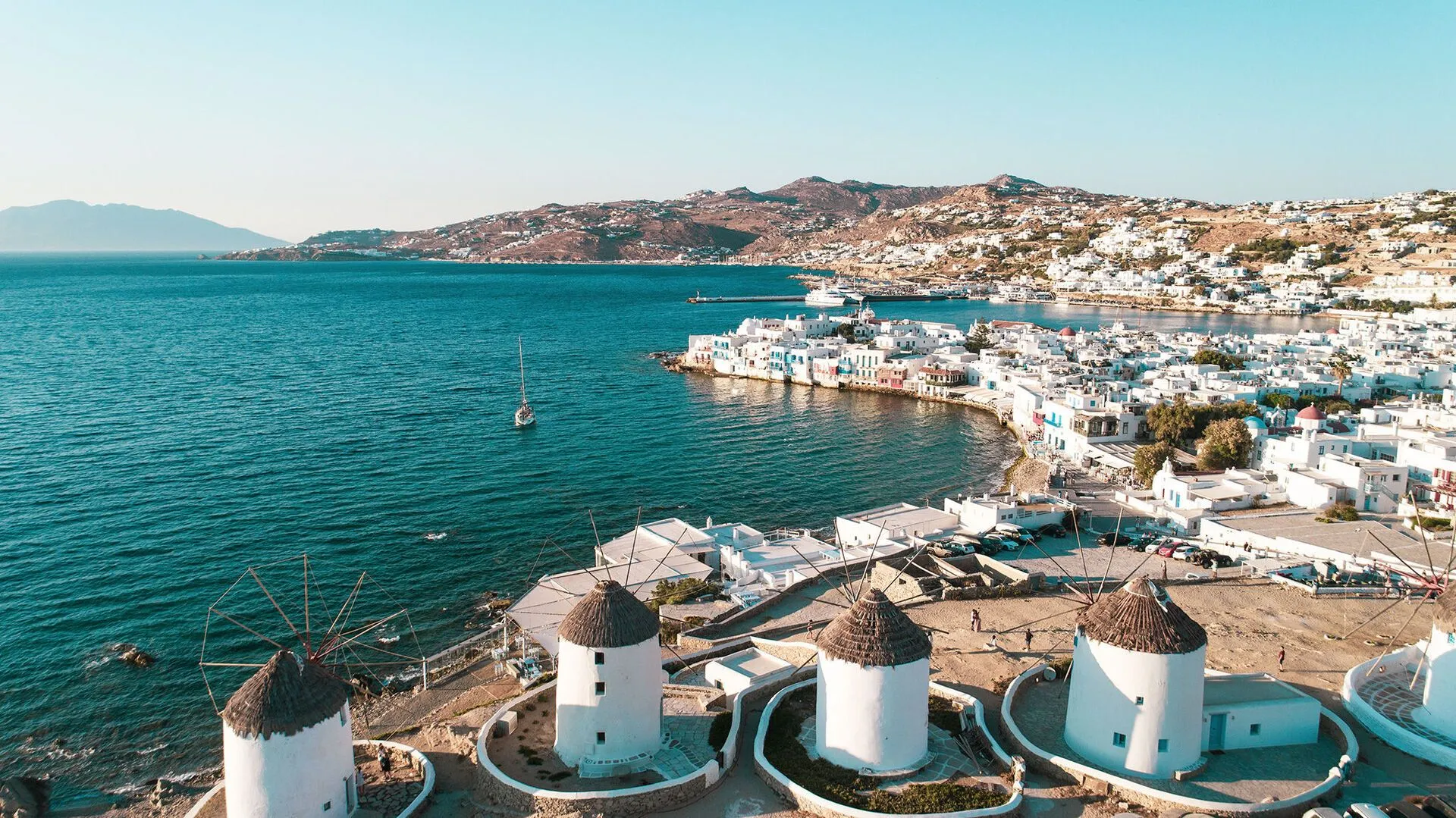
The Cyclades cover about two hundred and twenty islands across a sea area roughly the size of the western Mediterranean charter ground. Operational charter water reduces to about fifteen of them. Within that, the canonical seven-night Cyclades routing rotates Kea, Kythnos, Serifos, Sifnos, Paros, Antiparos, and Mykonos.
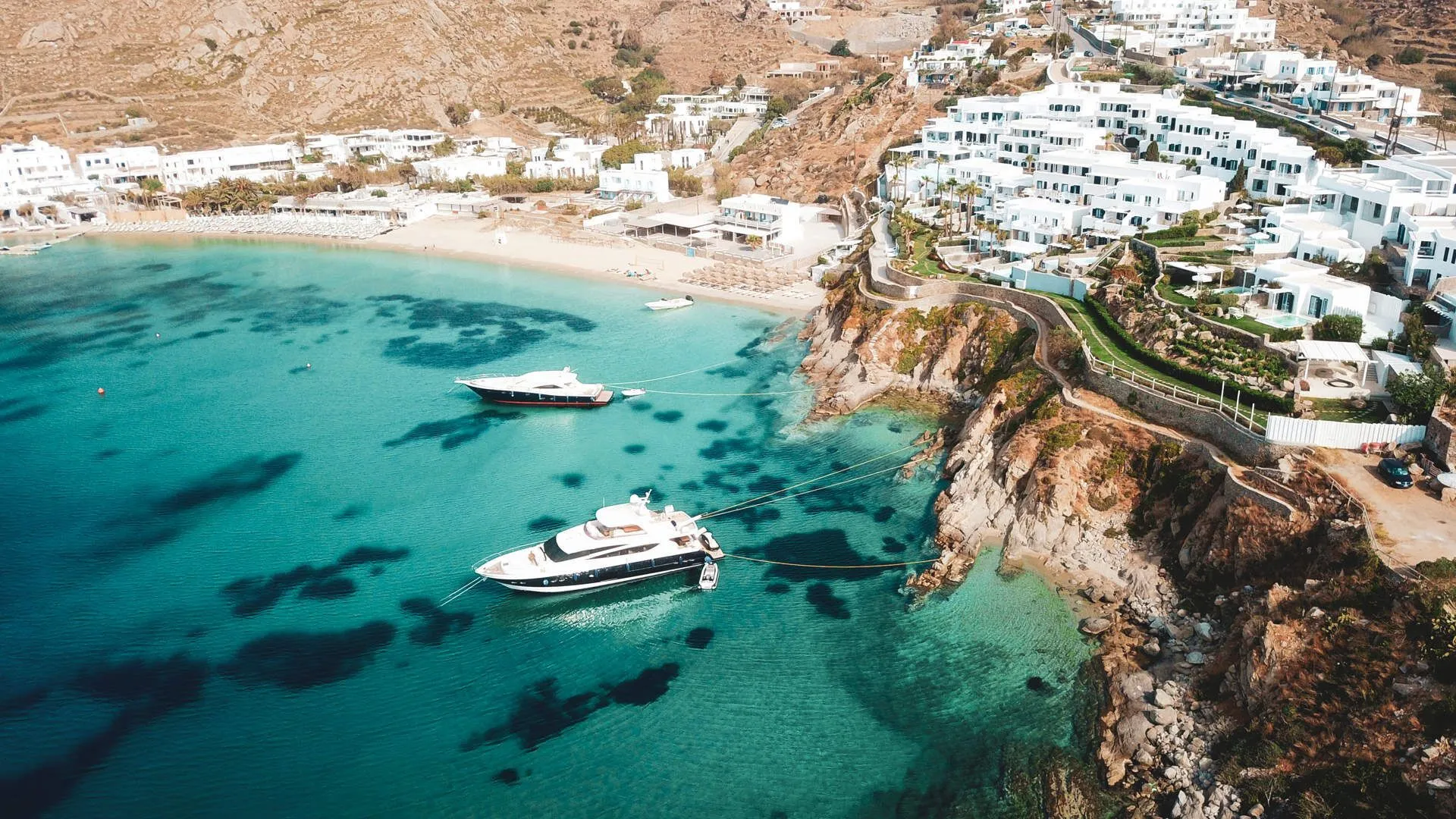
The marquee anchorages (the Super Paradise and Psarou on Mykonos, the Kolitsani on Ios, the Vlychada on Santorini) are densely populated through August. The operational answer for most charter captains is to anchor at the marquee port for an afternoon stop and to overnight at a quieter island anchorage twenty minutes' cruise away. Antiparos for Mykonos, Folegandros for Santorini, Schinoussa for Naxos. Most weekly charters operate two parallel calendars: the day stops at the named ports, the overnight anchorages at the quieter neighbours.
Wind shelter matters. On meltemi weeks the western and southern coasts of each island are the working anchorages; the famous eastern beaches of Mykonos and Naxos become operationally difficult above twenty-five knots of north wind. A captain working the Cyclades briefs the day's routing from the morning wind forecast rather than the brochure plan.
Santorini's specific case
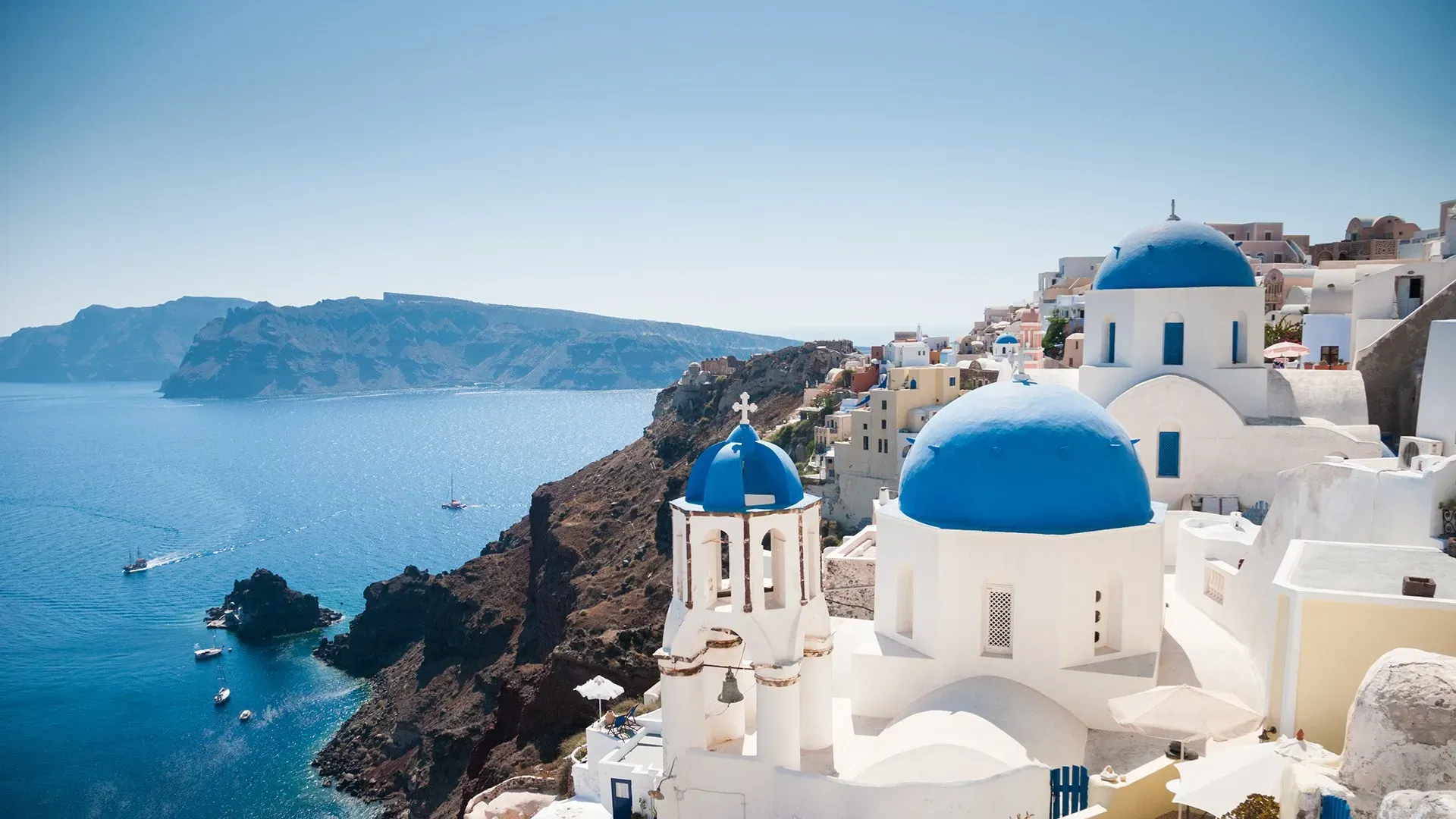
Santorini is the most-asked Aegean destination and the most operationally difficult. The caldera anchorage at Fira and Imerovigli is famously deep. Most charter yachts cannot anchor in the caldera and instead use a daytime mooring at the southern entrance to the volcanic bay, with tenders running into the Athinios port or the Skala fishing harbour below Fira.
Overnight stays at Santorini are operationally weather-dependent. A west-to-southwest wind makes the caldera anchorage unworkable; a northerly meltemi makes the eastern Kamari coast similarly difficult. Most well-planned Santorini stops are daytime-only, with the overnight on Folegandros or Sikinos: both an hour or so of cruise away, both quieter, both with more workable anchorages.
The Dodecanese as a second week
The Dodecanese, the chain that runs along the Turkish coast from Rhodes north to Patmos, is the natural second-week extension from the Cyclades. The crossing from Amorgos at the southern edge of the Cyclades to Astypalea takes about four hours; from Astypalea the chain opens to Symi, Tilos, Nisyros, Kos, and Patmos.
The Dodecanese is operationally calmer than the Cyclades. The meltemi influence weakens, the marquee-tourist density is much lower, and the cruising routes between islands are shorter. Symi harbour is small but workable; Patmos's Skala harbour is operational year-round; Rhodes town harbour is the eastern anchor and the natural disembarkation port for a Cyclades-Dodecanese two-week routing.
Most clients who book the Cyclades for a first Aegean week return for the Dodecanese for a second. The two together cover about half of what the Aegean offers; the Sporades to the north and the Ionian to the west are the remaining principal routings.
The shoulder seasons: May, June, September
The meltemi runs hardest from late July through mid-August. May, June, and September are operationally calmer. The water temperature in May is below comfortable swimming for many guests, but the cruising is reliable; September is the inverse: water still warm, wind dropped, anchorages emptier.
Most operationally-led brokers prefer the late-May-to-mid-June window and the September window for first-time Aegean charterers. The marquee anchorages are uncrowded, the routing is wind-flexible, and the rate sheet is below the August figure. The trade-off is that the social calendar (Mykonos's club scene, Santorini's restaurant season) runs at full intensity only in July and August.
Choosing the yacht type
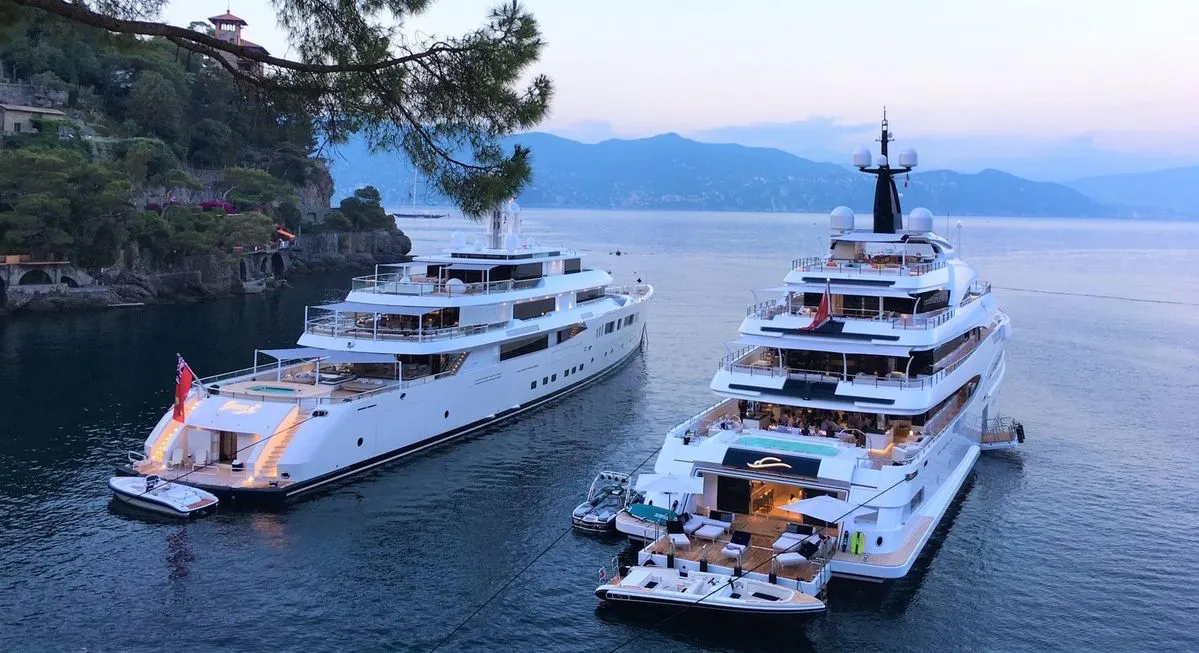
The yacht type matters more in the Aegean than in most other Mediterranean cruising water. A sailing yacht, even a heavier displacement sailing yacht, uses the meltemi as a working asset; the routing flexes to the wind, and the cruising is genuinely under sail. A planing motor yacht has the speed to move between sheltered anchorages quickly but spends most of its meltemi-week cruise hours at reduced cruise speed in the swell.
For weekly charters that want the cruising experience as the centre of the week, sailing yachts are the operationally better choice. For weekly charters that want the social calendar and the named ports as the centre, motor yachts deliver the routing more reliably. The brief should be made in this order: the yacht type follows from the week's primary use.
What the published Aegean itineraries do not capture is that the routing is wind-led, not date-led. Brief for the cruising flexibility first; the named islands follow.