Skip to content
Balthazar Yachting
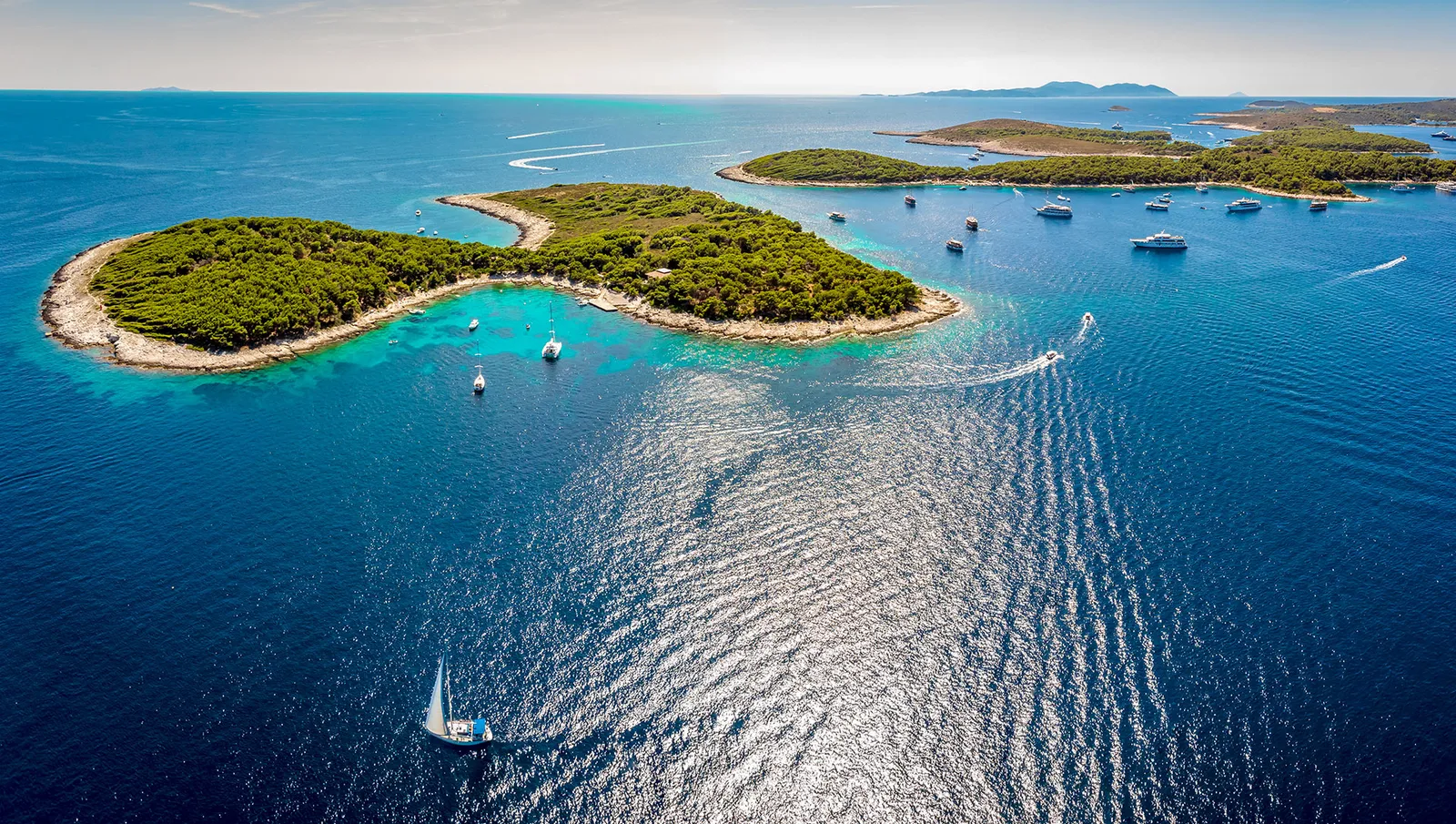
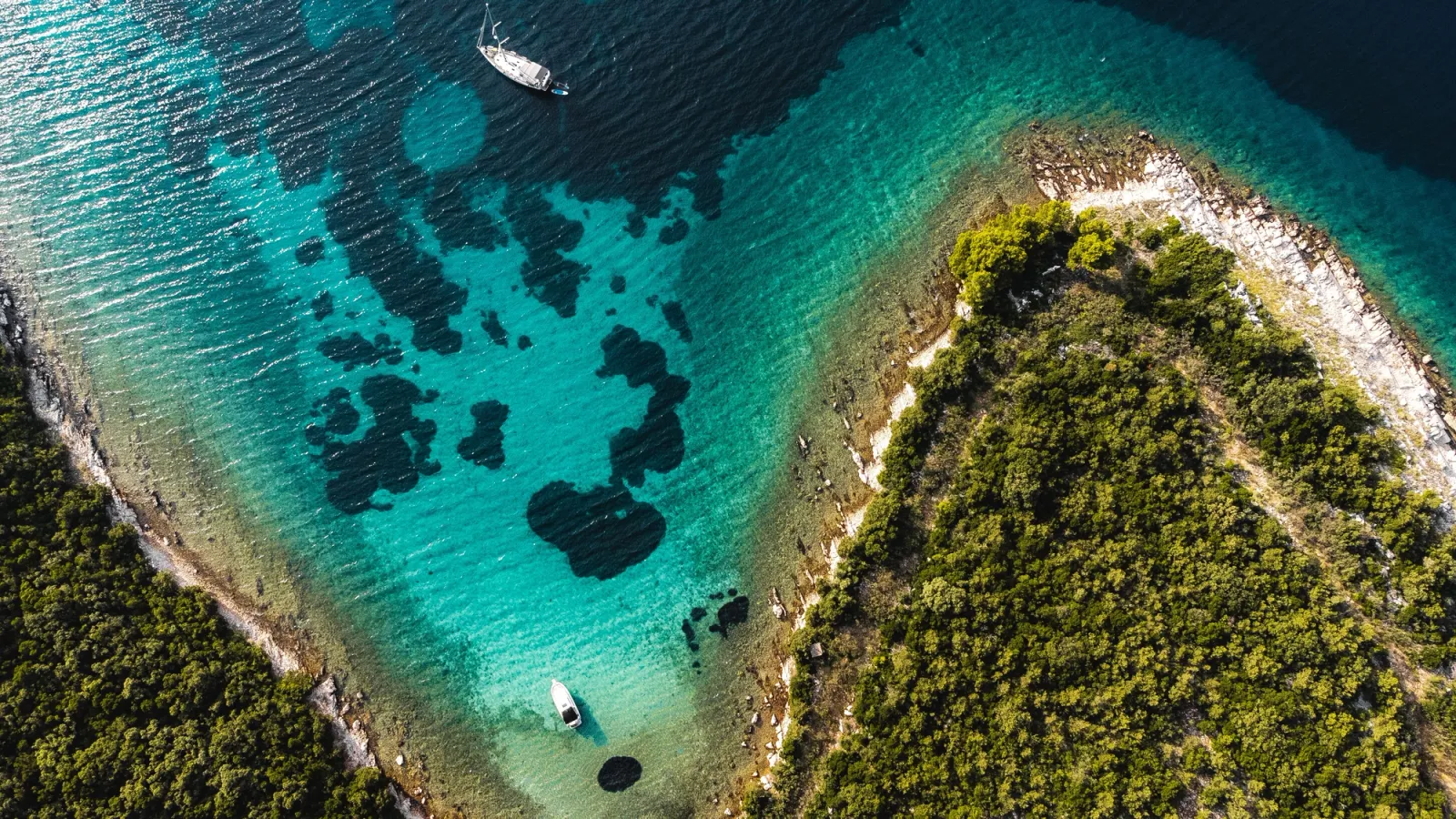
Sailing yachts anchored between islands along the Croatian coast

Adriatic · yacht charter

Croatia.

Croatia yacht charter covers more than a thousand islands, islets and reefs, from Istria and the Kvarner Gulf to the Kornati and the Dalmatian coast between Split and Dubrovnik. It is a sheltered cruising ground, dense with islands, from May to October.

Overview

What to expect.

Croatia works as a yacht charter base because the cruising water is almost entirely protected. The Dalmatian coast runs as a near-continuous chain of islands, so the open passages are short and the anchorages plentiful. Most charters embark from Split, the principal base, with Hvar an hour south by sea and Dubrovnik anchoring the southern end of the run. The fleet, the airports and the routing options all sit within a single coastline.

The Croatian charter rhythm follows the islands. From Split, central Dalmatian weeks thread the Pakleni Islands, Vis and Korčula, with the Kornati archipelago to the north for quieter water. From Dubrovnik, the southern run covers the Elaphiti islands and Mljet. Five to seven nights suits the central coast; seven to ten covers the full Split-to-Dubrovnik line, and the Maestral sets the daily pattern, light through the morning and building through the afternoon.

What separates a well-run Croatian charter is the brokerage relationship behind it. Croatia carries advisor coverage across the season, a working fleet relationship at the Split and Dubrovnik base ports, and a crew network that knows which Pakleni anchorages hold in an afternoon Maestral and which Old Town berths suit a larger yacht. The brief is built around the boat, the week and the weather, not a fixed circuit.

Croatia also operates as a gateway south. Dubrovnik sits within a day’s cruise of Montenegro, and the Bay of Kotor with Porto Montenegro at Tivat is one of the operational highlights of an extended Adriatic week. Cross-border routings need customs documentation arranged in advance, which the brokerage handles, so an itinerary can run from the Kornati in the north to Kotor in the south within a single charter.

Private yacht charter in Croatia

Croatia's Adriatic coast runs from Istria in the north to beyond Dubrovnik in the south, and more than a thousand islands, islets and reefs lie off it, fewer than fifty of them inhabited. A Croatia yacht charter can stay within one archipelago or follow the coast from region to region, between stone towns shaped by Venice and by the old Republic of Dubrovnik.

The islands lie close together, separated by channels that keep most passages short and sheltered. Since 1 January 2023 Croatia has used the euro and belonged to the Schengen area, which keeps arrival from the rest of Europe simple.

The coast region by region

Istria. Rovinj's old town rises above its harbour and the ACI marina, rebuilt in 2019. Off the west coast, the Brijuni islands are a national park and were once Tito's summer residence.

Kvarner. The gulf south of Rijeka holds the islands of Krk, Cres, Lošinj and Rab. On this coast, around Senj, the bura, the gusty north-easterly, can blow at its fiercest, mostly in winter.

The Kornati and northern Dalmatia. West of Šibenik, the Kornati national park is an archipelago of bare islands, with the Telašćica nature park beside it on Dugi Otok. The Krka river leads inland to Skradin, where the park boat runs to the waterfalls of Skradinski buk.

Central Dalmatia. Split and Trogir on the mainland, and the islands of Šolta, Brač, Hvar and Vis offshore: the most travelled part of the coast, and the usual starting point. See Split and Hvar.

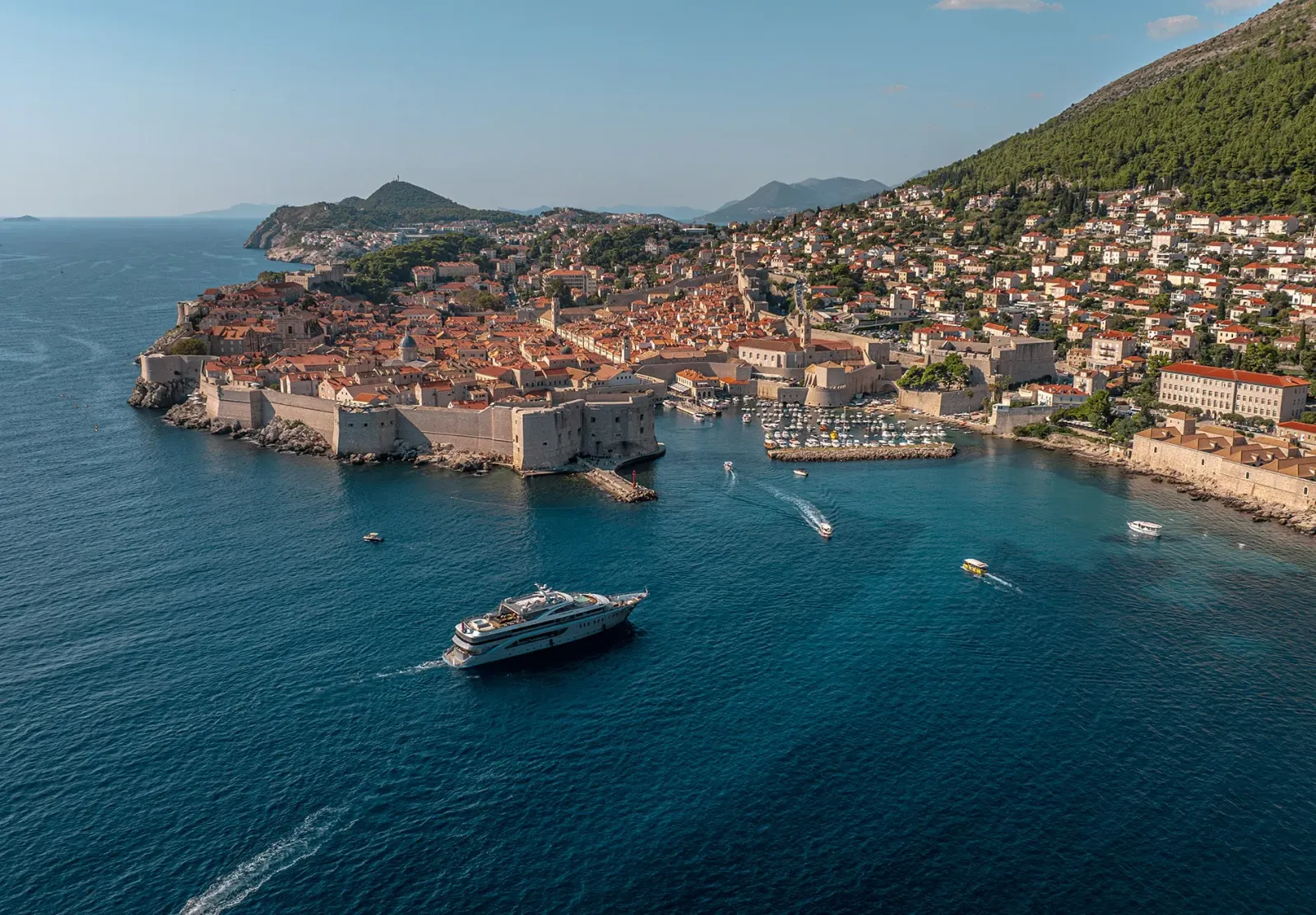
Southern Dalmatia. Korčula, the national park on Mljet, the Pelješac peninsula with the walls of Ston, and the Elaphiti islands lead down to Dubrovnik. Montenegro lies beyond the border, a short passage further south-east.

When to go

The season runs from May to October. July and August are the busiest months, and June and September the calmer weeks in the anchorages. The maestral, a mild north-westerly sea breeze, sets the summer pattern, building through the afternoon. The jugo, a damp south-easterly, is most frequent in spring and autumn, and the bura mainly in winter; when either blows, the crew moves to an anchorage sheltered from it.

Two events draw crowds in summer: Ultra Europe, an electronic music festival in Split in July, and the Dubrovnik Summer Festival, from mid-July to late August.

Rules, fees and formalities

Charter guests pay Croatia's tourist tax for each night aboard, collected by the charter operator with the charter fee. The national parks charge by yacht. In the Kornati the ticket is priced by length and season, and costs more bought inside the park than in advance. On Mljet, the yacht's ticket does not include the lakes, which need a visitor ticket per person.

Montenegro lies outside the European Union and the Schengen area. The yacht clears out at Dubrovnik's port of Gruž or, in season, at Cavtat, may not stop again in Croatian waters, and clears in on arrival in the Bay of Kotor, where a cruising permit is bought.

Marinas and arrival

Split and Dubrovnik airports serve Dalmatia, with direct flights from across Europe in summer. Zadar, Pula and Rijeka serve the north. ACI runs marinas along the whole coast, among them Split, Korčula, next to the walled old town, and Dubrovnik, at Komolac. A week can also run one way between Split and Dubrovnik, so that no water is crossed twice.

Yachts and what a week costs

Croatia is chartered on sailing yachts, catamarans and motor yachts of every size. As a Mediterranean guide, a 20 to 30 metre motor yacht runs from around EUR 30,000 to EUR 80,000 a week before running costs, and a 30 to 45 metre yacht from around EUR 80,000 to EUR 250,000; above 50 metres, yachts are quoted individually. Sailing yachts usually sit below motor yachts of the same length. The Advance Provisioning Allowance, typically 25 to 35 percent of the base rate, covers fuel, food, port fees and park tickets. The applicable tax for the cruising area is set out before anything is signed, and the all-in cost lands at roughly 130 to 150 percent of the base rate. See what a charter costs.

How a Croatia charter is arranged

We shortlist the yachts that suit your group, choose the region and the direction of the week, and arrange the park tickets and border formalities the route needs. For the wider picture, see the Adriatic and our Mediterranean yacht charter guide.

Tell us your dates, the size of your group and what you have in mind, and we will come back with a shortlist. Start the conversation.
Fleet

Yachts available in Croatia.

Available on request

The current selection for Croatia is shared privately on request. Speak to a yacht advisor for a curated shortlist.

Season

When to cruise.

Best months
May to October
Prevailing winds
Maestral · Bora
Typical base ports
ACI Marina Rovinj · ACI Marina Split · ACI Marina Korčula · ACI Marina Dubrovnik · Hvar town harbour
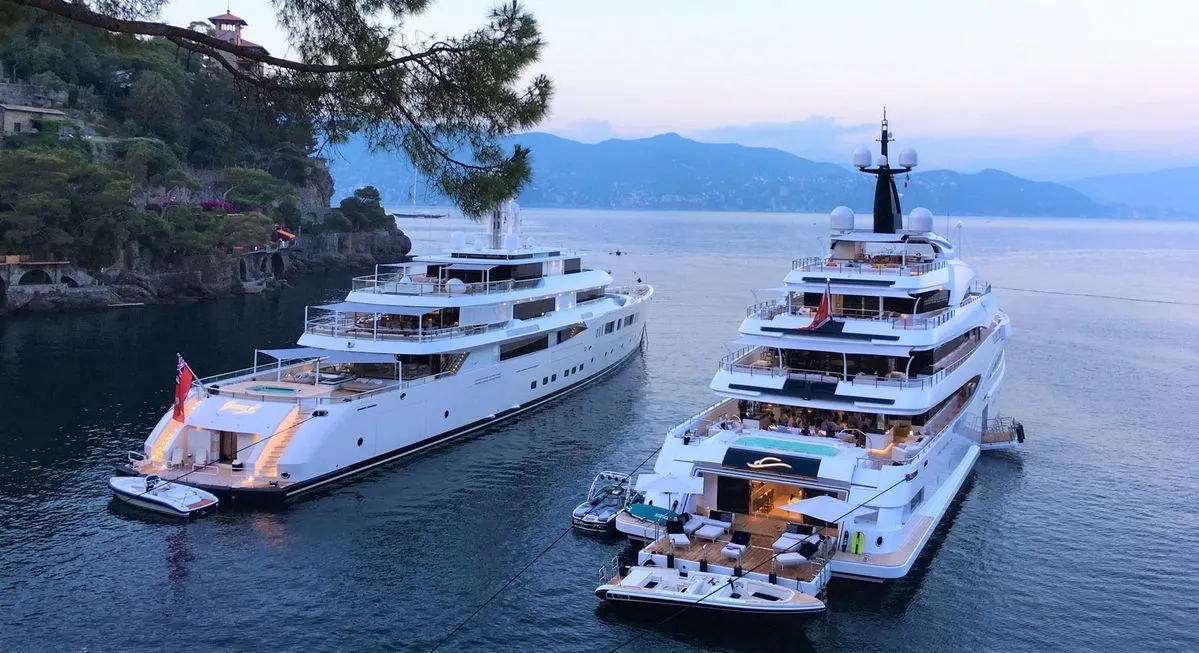
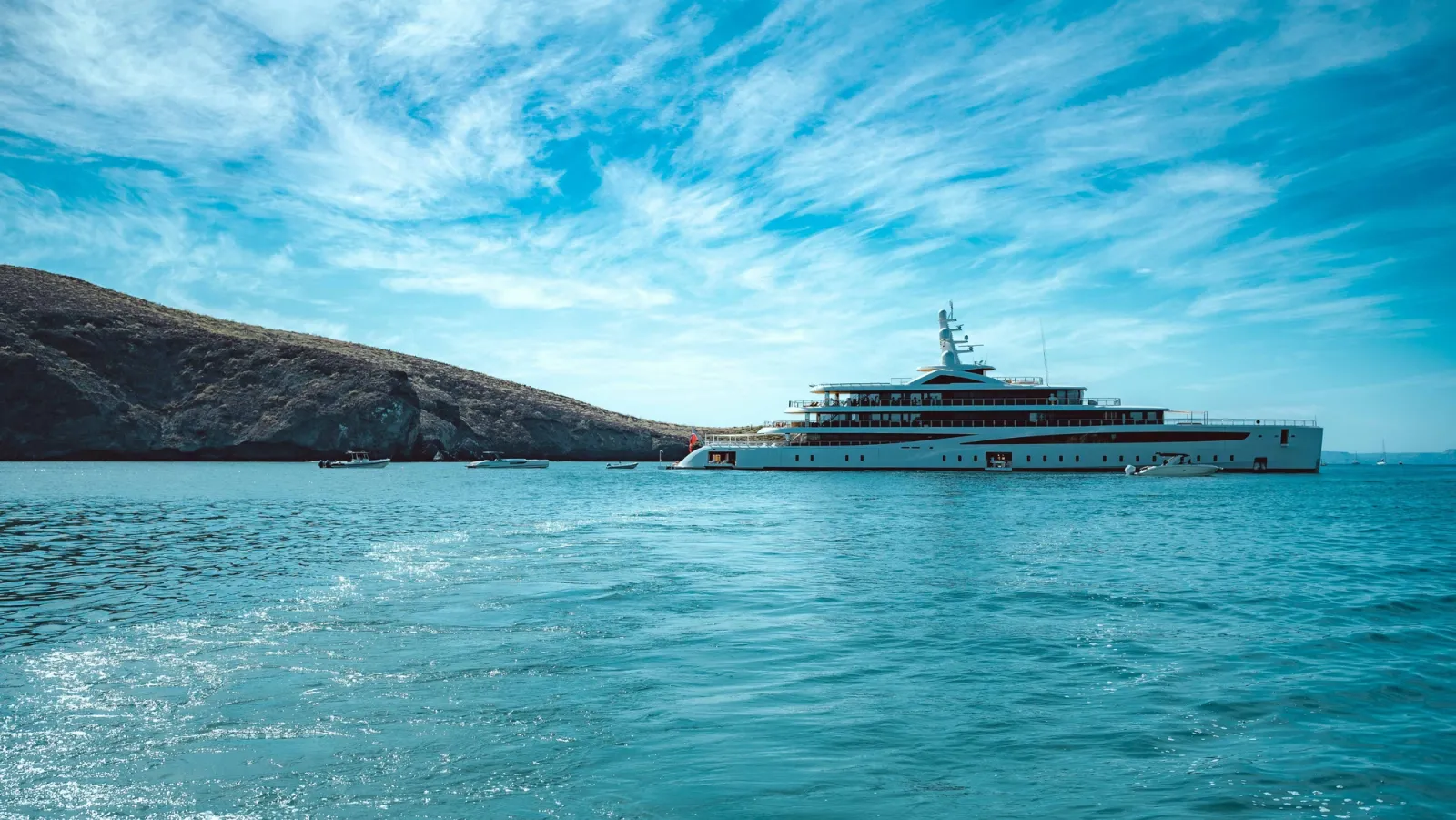
Superyacht cruising in clear turquoise water along the Croatian coast

The Croatian season runs May through October, with peak demand concentrated in July and August across the principal Dalmatian ports. The Maestral sets the daytime rhythm, light through the morning and building through the afternoon, with the Bora a separate consideration in the shoulder season. June and September deliver materially calmer conditions on the same cruising water and remain the strongest windows for owners who want the islands without the August density. Peak weeks fill early, and the central base ports compress hard in high summer, so the brief is best opened well ahead.

Ports

Marinas and anchorages.

  • ACI Marina Rovinj

  • ACI Marina Split

    The principal embarkation base. Central to most Croatian itineraries and the starting point for the central Dalmatian island run.

  • ACI Marina Korčula

  • ACI Marina Dubrovnik

    Handles the larger charter fleet at the southern end of the coast. The point of departure for the Elaphiti islands, Mljet and the run south to Montenegro.

  • Hvar town harbour

    The town berth on Hvar, a frequent stop between Split and the southern islands. Busiest in the July and August peak.

Frequently asked

Practical questions.

When is the cruising season in Croatia?
May to October, with peak demand in July and August. The maestral sets the daytime pattern, light through the morning and building through the afternoon. June and September bring quieter anchorages and the same steady breeze.
Where do Croatia charters embark?
Split is the principal embarkation base, central to the Dalmatian island run. Hvar town lies about 20 nautical miles south, and Dubrovnik anchors the southern end of the coast for charters that start or finish there.
How long is a typical charter in Croatia?
Five to seven nights covers central Dalmatia from Split, by the Pakleni islands, Vis and Korčula. Seven to ten nights runs the full coast from Split to Dubrovnik, taking in Mljet and the Elaphiti islands.
What does a Croatian itinerary cover?
From Split, the central run threads the Pakleni Islands, Vis and Korčula, with the Kornati archipelago a longer passage to the north-west for quieter water. From Dubrovnik, the southern run covers the Elaphiti islands and Mljet, with the option of continuing into Montenegro.
Can a Croatian charter extend into Montenegro?
Yes. The entrance to the Bay of Kotor lies a few hours south-east of Dubrovnik, and Porto Montenegro at Tivat is inside the bay. Montenegro is outside the EU and the Schengen area, so the yacht clears out at Gruž or Cavtat and clears in on arrival in the bay; we arrange the paperwork in advance.
Are Croatian charters crewed or bareboat?
Both formats operate across the Dalmatian coast. Crewed charters suit guests who want the islands handled end to end, with a crew that knows which anchorages hold in an afternoon maestral. We advise on the right format for the week and the yacht.
What does a week of yacht charter in Croatia cost?
As a Mediterranean guide, a 20 to 30 metre motor yacht runs from around EUR 30,000 to EUR 80,000 a week before running costs, and a 30 to 45 metre yacht from around EUR 80,000 to EUR 250,000. Above 50 metres, yachts are quoted individually. With the Advance Provisioning Allowance and tax, the all-in cost usually lands at 130 to 150 percent of the base rate, and guests also pay Croatia's tourist tax for each night aboard.
Which airports serve a Croatia charter?
Split and Dubrovnik serve Dalmatia, with direct flights from across Europe in summer. Split airport lies about 20 kilometres from the city, beside Trogir, and Dubrovnik airport about 20 kilometres from the old town, at Čilipi. Zadar suits the Kornati and northern Dalmatia, Pula and Rijeka the north. A one-way week between Split and Dubrovnik uses one airport on arrival and the other on departure.
Do Croatia's national parks charge yachts an entry fee?
Yes. In the Kornati the ticket is charged per yacht, by length and season, and it costs more bought inside the park than in advance, so the crew buys it ahead. On Mljet, the yacht's ticket does not cover the lakes, which need a ticket per visitor. At Krka, yachts stop at Skradin and guests take the park boat to the waterfalls.
What formalities apply to a Croatia charter?
Very few for guests arriving from Europe. Croatia has used the euro and belonged to the Schengen area since 2023. Charter guests pay the tourist tax for each night aboard, collected by the charter operator with the charter fee, and the operator registers every guest with the authorities, so passport details are needed before embarkation. A route into Montenegro adds border clearance on both sides.

Plan your charter

Send a brief.

Share your dates and party size. A private advisor will reply within the hour.

Direct

Or speak to an advisor now.

For an urgent brief, a private advisor is on WhatsApp.

Marinas & ports

  • ACI Marina Rovinj
  • ACI Marina Split
  • ACI Marina Korčula
  • ACI Marina Dubrovnik
  • Hvar town harbour

First response within the hour on WhatsApp.

Plan a charter

Plan a charter in Croatia.

A private advisor will return a short, curated proposal within the hour.

WhatsAppEnquire