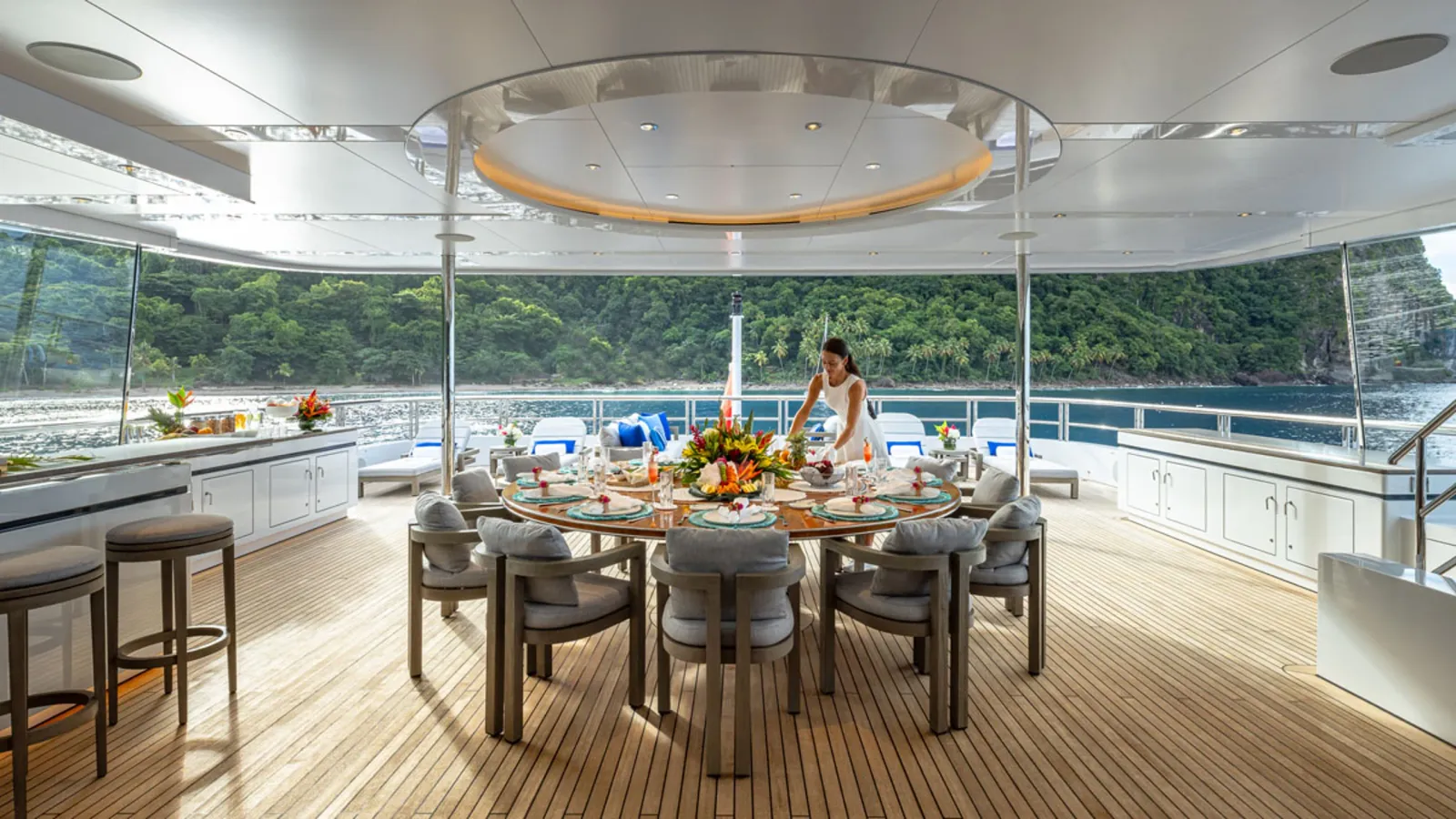
Private yacht charter in the BVI
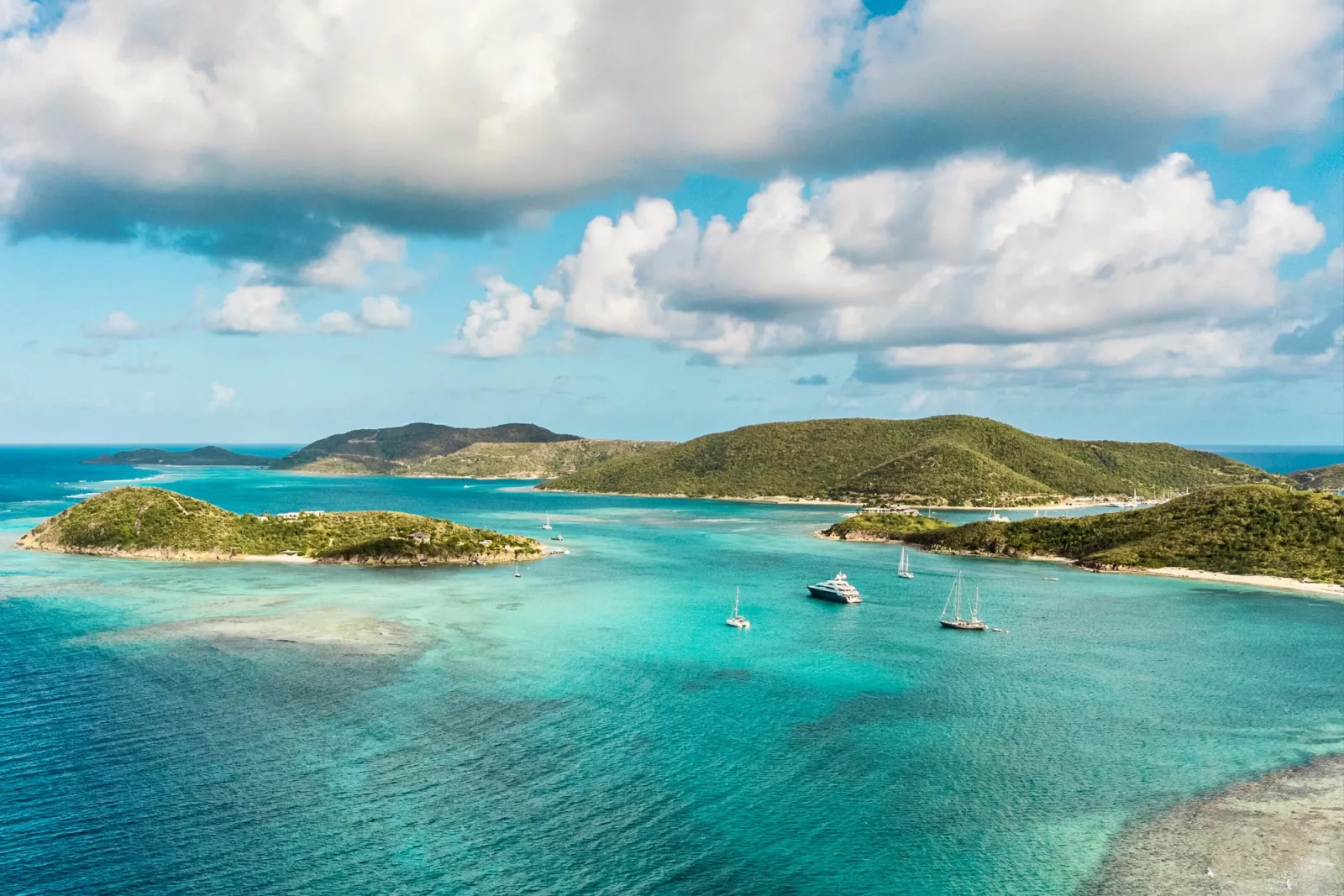
The British Virgin Islands are a cruising ground on a small scale. Tortola faces a string of smaller islands across the Sir Francis Drake Channel, with Virgin Gorda to the east and Jost Van Dyke to the north-west, and the distances between them are short. A yacht charter in the British Virgin Islands can change anchorage every day without a long passage: a full week of island hopping covers around seventy nautical miles.
The wind blows from the east through most of the year and the islands give shelter, so the passages are short and comfortable.
The islands from the water
Norman Island. The Bight is a natural first night out of Road Town, and the Caves at Treasure Point are snorkelled from the tender.
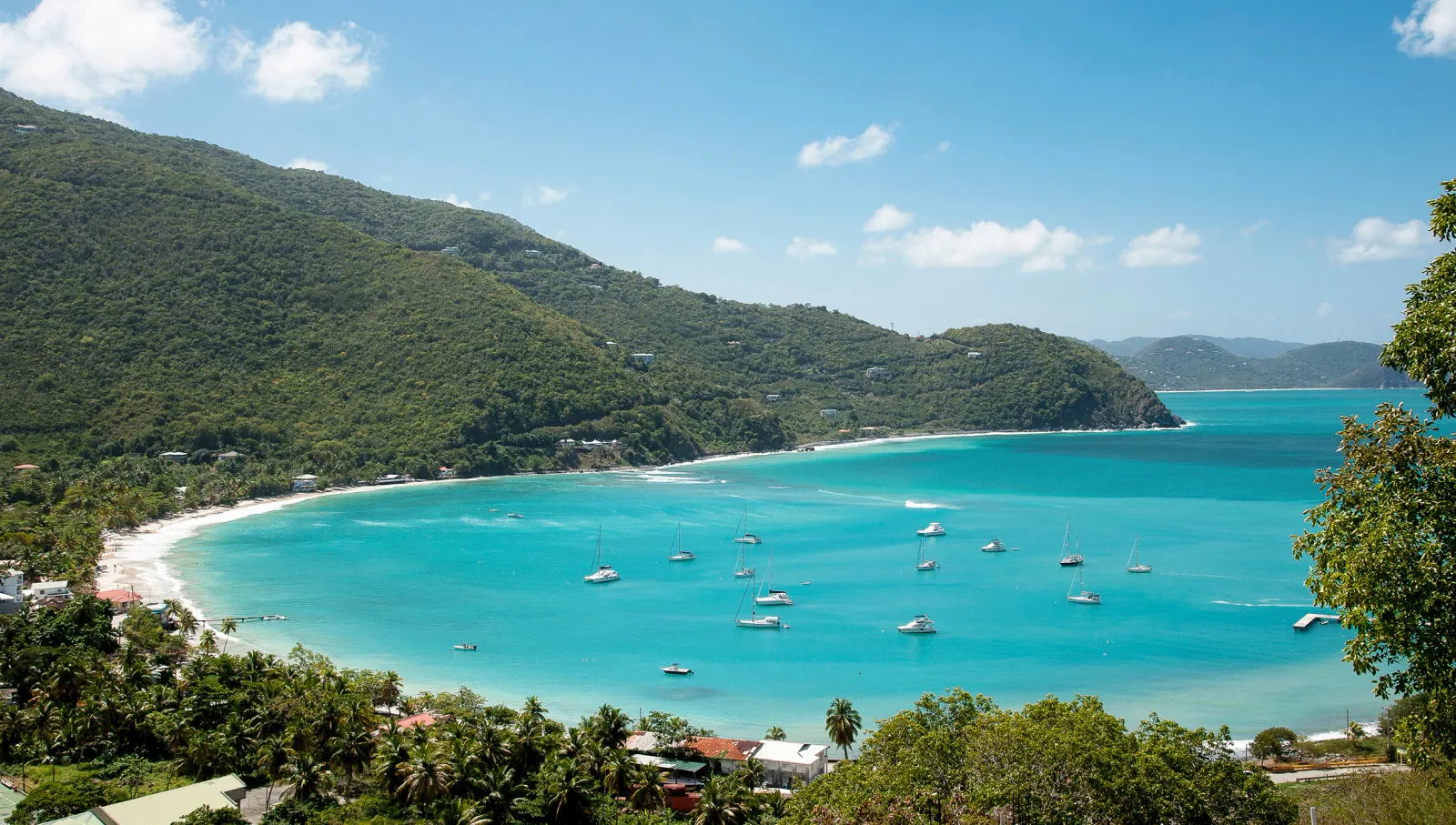
Jost Van Dyke. At White Bay, yachts anchor off a shallow beach and guests swim or take the tender in to the beach bars; Sandy Spit lies close by.
Peter, Salt and Cooper islands. Across the channel from Tortola, Peter Island has Deadman's Bay, and off Salt Island lies the wreck of the RMS Rhone, lost in a hurricane in 1867 and protected as a national park since 1980, between around 9 and 26 metres down. Cooper Island is quieter, with a beach club ashore.
Virgin Gorda. At the southern tip, the Baths are a field of granite boulders forming tidal pools, tunnels and grottoes open to the sea, a national park since 1990, best visited before ten or after three, outside the hours of the day boats. At the other end of the island, the North Sound is calm, protected water, with marinas at Oil Nut Bay, Saba Rock and the Bitter End.
Anegada. Around fifteen miles north of Virgin Gorda, Anegada is different: a flat island of coral and limestone, ringed by Horseshoe Reef, one of the largest barrier reefs in the Caribbean. The approach is made in good light and settled weather, and anchoring on the reef is prohibited. Ashore are flamingos in the salt ponds and rare rock iguanas, and the island is known for its lobster.
A week from Tortola
A classic week leaves Road Town for Norman Island, crosses to Jost Van Dyke, returns along the channel to Peter Island and the Rhone off Salt Island, then runs east to Virgin Gorda for the Baths and the North Sound, with Anegada as the last leg when the weather allows. No leg is much over twenty nautical miles. Yachts based in St Thomas, in the US Virgin Islands, can start there and clear into the BVI on the first day.
When to go
The peak season runs from December to April, with steady trade winds and dry weather, and May extends it. The Christmas winds can bring a few days of 20 to 25 knots around the turn of the year. In January and February the most popular anchorages, the Bight and White Bay among them, can fill by early afternoon. The Atlantic hurricane season runs from June to November, with its peak in September.
The BVI Spring Regatta is sailed at the turn of March and April, and Christmas and New Year are the most sought-after dates of the winter. For January to March, the best yachts are often committed a year or more ahead.
Marinas and arrival
Terrance B. Lettsome International Airport, on Beef Island and joined to Tortola by a bridge, has nonstop flights from Miami and connections through San Juan, Antigua and St Maarten. Guests can also fly into St Thomas, in the US Virgin Islands, and take a ferry to Road Town, around 50 to 60 minutes, or from Red Hook to West End, around 30.
Road Town's Village Cay Marina takes large yachts, and Nanny Cay and Soper's Hole, at West End, are the other Tortola bases.
Yachts and what a week costs
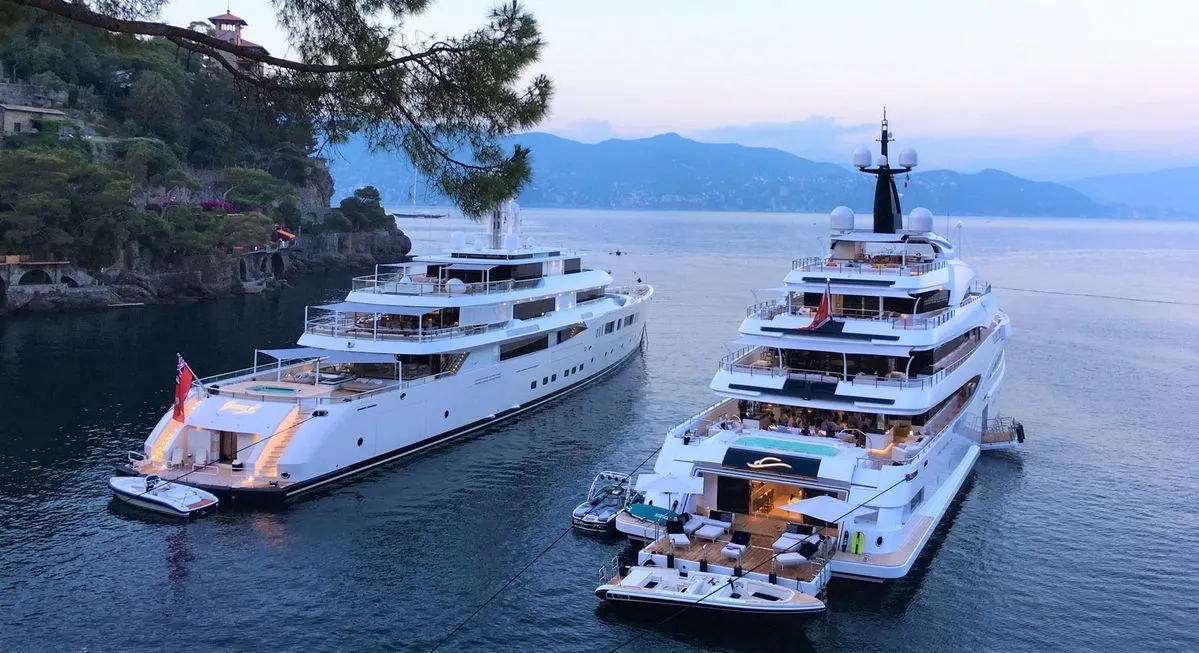
Most crewed charter yachts in the islands are based on Tortola, and many are sailing catamarans on all-inclusive terms, where one weekly rate covers the yacht, crew, meals, drinks, fuel and water toys; indicatively, a crewed catamaran in high season costs around USD 30,000 a week. Motor yachts and superyachts are usually quoted plus expenses, with an Advance Provisioning Allowance of typically 25 to 35 percent of the rate for running costs.
A BVI cruising permit, charged per guest per day, and an environmental levy on arrival are added, usually inside the rate on all-inclusive terms, and the applicable charges are set out before anything is signed. The crew gratuity is customarily 15 to 20 percent of the charter fee. For the choice of format, see crewed or bareboat charter, and for budgets, what a charter costs.
How a BVI charter is arranged
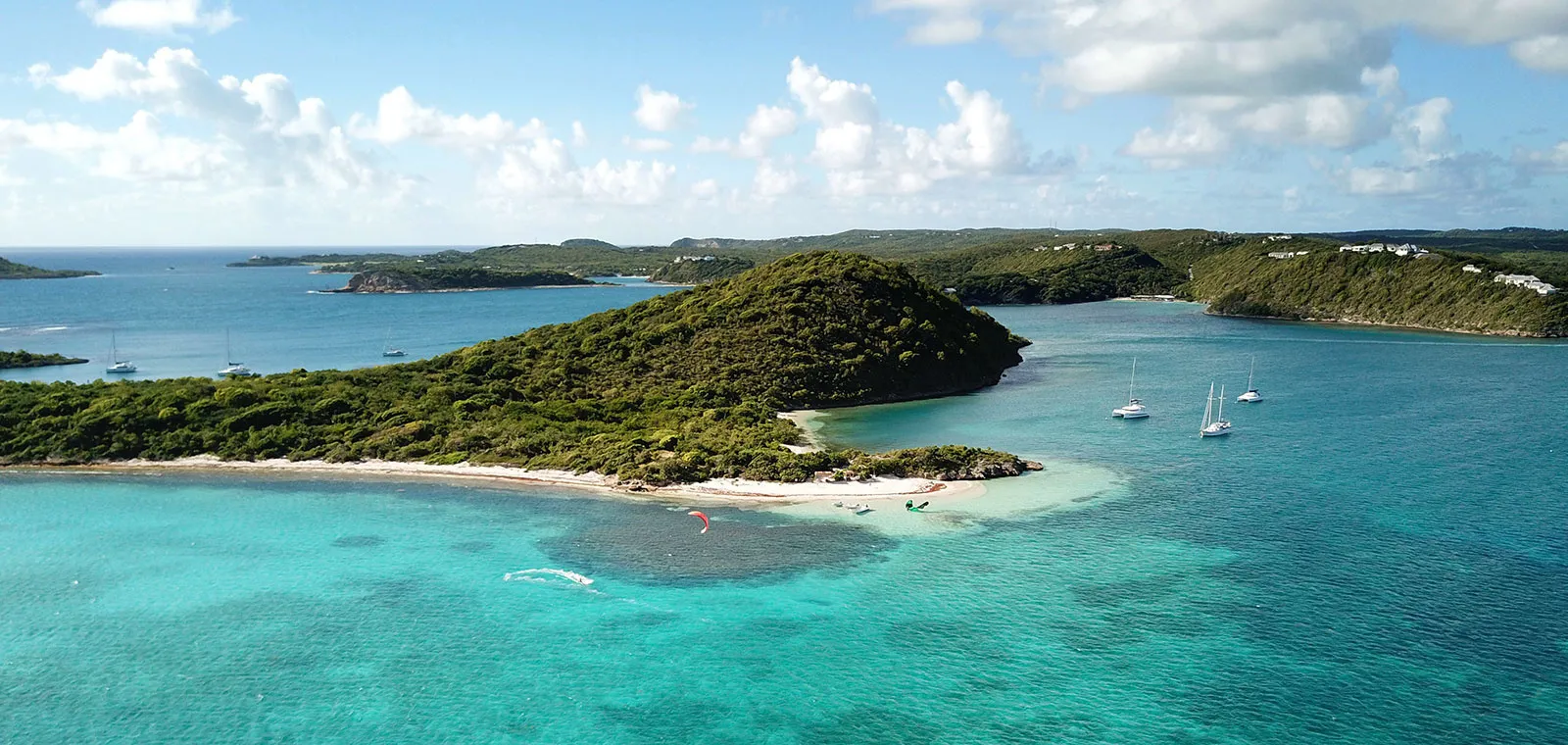
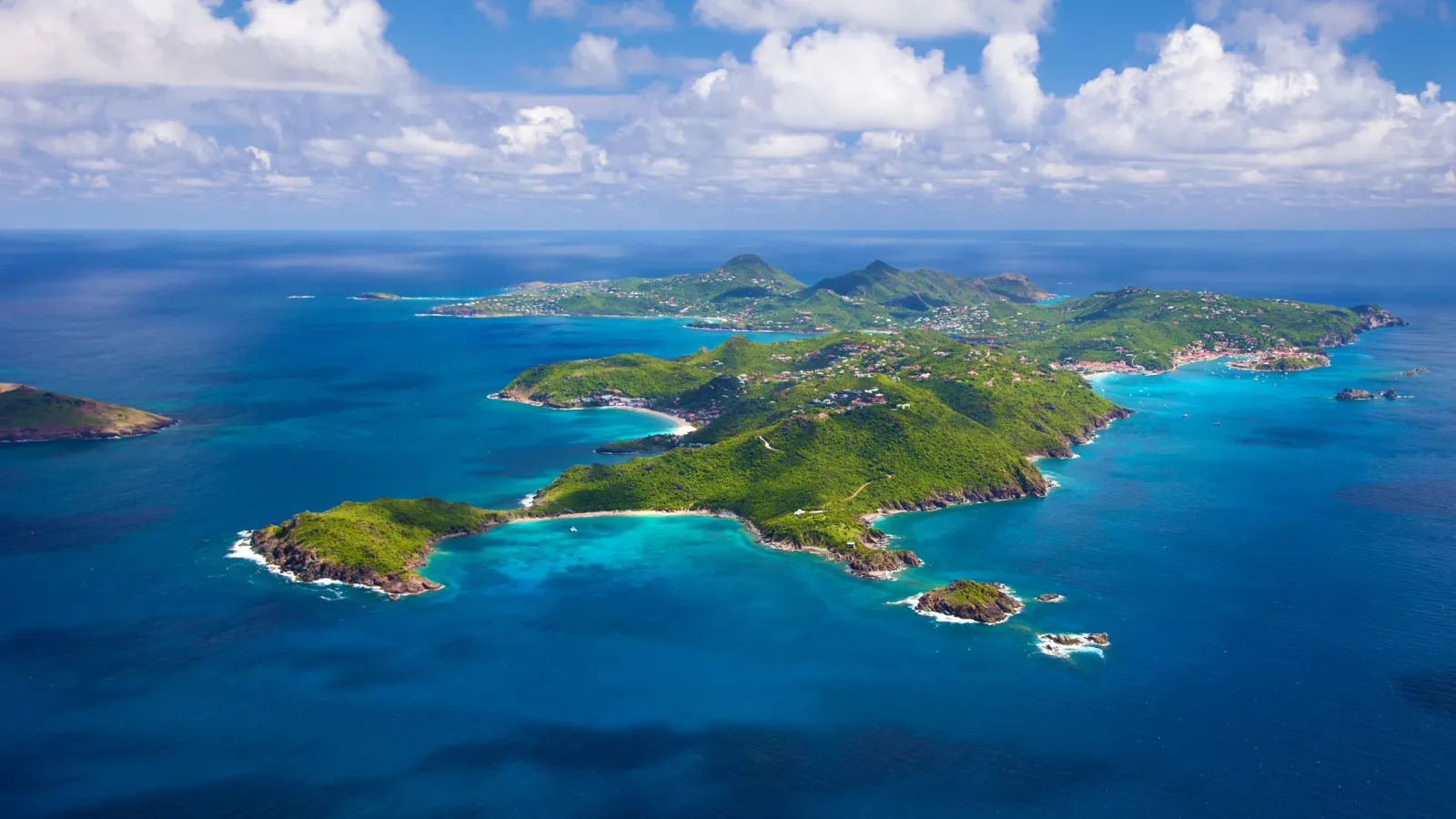
We shortlist the yachts that suit your group, check where each is based, since a yacht from St Thomas changes the embarkation and the permit, and settle the route with the captain. For a longer winter, the BVI combine with Antigua or St Barths, and the Caribbean holds other routes.
Tell us your dates, the size of your group and what you have in mind, and we will come back with a shortlist. Start the conversation.