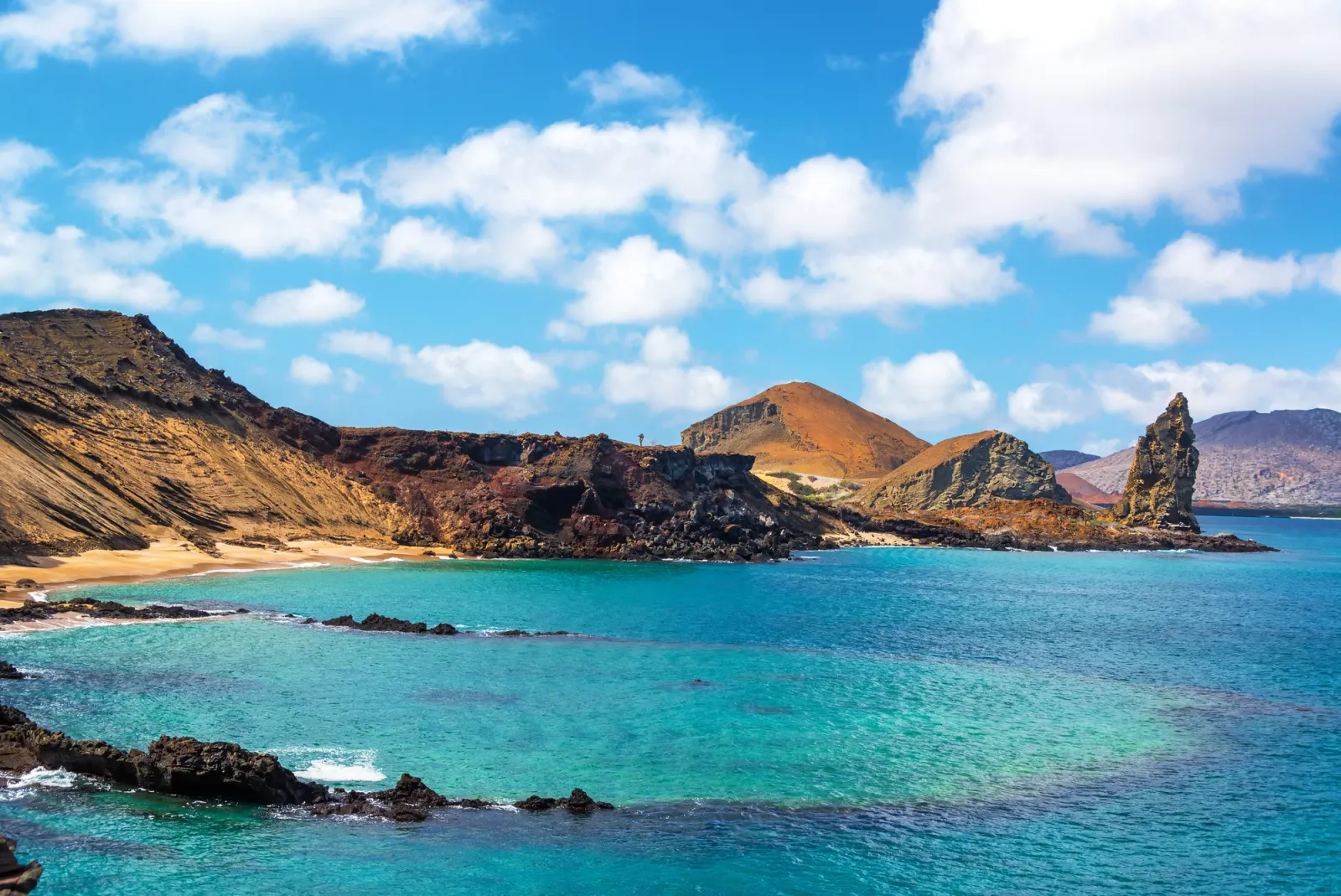
Private yacht charter in the Galápagos
The Galápagos lie on the equator, about 1,000 km off the coast of Ecuador: a volcanic archipelago where almost all the land is national park and the sea around it is a marine reserve. Only four islands are inhabited, so a yacht charter in the Galápagos is the natural way to reach the rest, where sea lions rest on the beaches, marine iguanas gather on black lava, and boobies and frigatebirds nest along the trails.
A charter here also works differently from anywhere else, because the national park sets the terms: tourist vessels hold a park operating permit, follow an itinerary registered with the park, and land their guests with a licensed naturalist guide. A private charter means reserving one of these licensed yachts for your group alone, with its crew, its guide and its route.
What the park allows
Licensed yachts and set itineraries. Fewer than a hundred yachts and ships hold permits to take guests overnight. Each follows its registered itinerary, and any change needs the park's authorisation, so the route is chosen when the yacht is chosen.
Guides at every landing. The park's visitor sites, on land and at sea, are visited in small groups, in shifts of a few hours, led by licensed guides.
Private yachts. A yacht arriving on its own needs an entry authorisation arranged through a local agent, may anchor only at the inhabited ports, and reaches the park's sites on licensed tours. Visiting sites aboard is possible only if arranged well in advance, at high cost, with a park guide aboard throughout, and the yacht's own kayaks, paddleboards and drones are not permitted.
The islands from the water
Santa Cruz and San Cristóbal. The two inhabited islands where most cruises begin. Puerto Ayora, on Santa Cruz, is home to the Charles Darwin Research Station and close to the tortoise reserves of El Chato. Puerto Baquerizo Moreno, on San Cristóbal, is the provincial capital; Charles Darwin first landed on this island in September 1835, and the split cone of Kicker Rock lies offshore.
Española. The southernmost island and one of the oldest, usually reached overnight from Santa Cruz. From about April to December almost the entire world population of waved albatrosses breeds here, and the marine iguanas carry red markings.
Genovesa. A volcanic caldera whose collapsed wall forms Darwin Bay. Prince Philip's Steps climb 25 metres through colonies of frigatebirds, red-footed and Nazca boobies, and storm petrels that fly by day.
Isabela and Fernandina. Isabela, larger than all the other islands combined, is built from six shield volcanoes and holds more wild tortoises than the rest of the archipelago together. Fernandina, the youngest and westernmost island, erupted as recently as 2024; at Punta Espinoza, hundreds of marine iguanas gather on the lava, and the island is home to flightless cormorants and penguins.
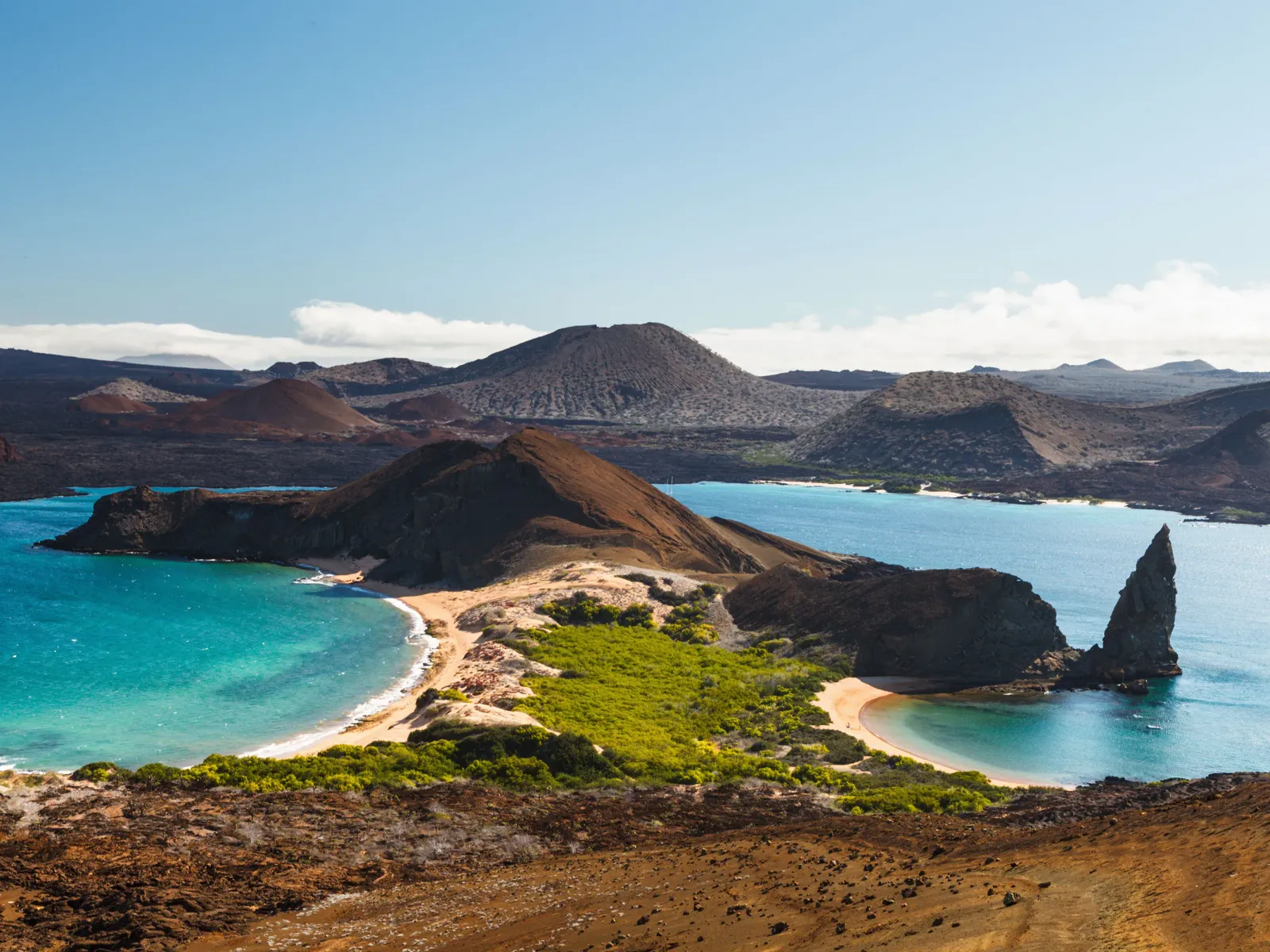
Bartolomé. Off the east coast of Santiago, a 600-metre trail climbs to the 114-metre summit, and a small colony of Galápagos penguins breeds in a cave behind Pinnacle Rock.
Darwin Island. Far to the north-west, Darwin has no landing sites and is visited only by a limited number of liveaboard dive ships, for hammerhead sharks and, from about June to November, whale sharks.
When to go
The islands can be visited all year. From December to May, the warm season, air and sea sit around 25°C, the wind is light, and sunshine alternates with sporadic heavy downpours. From June to November, the garúa season, temperatures near the sea fall to around 22°C, a steady south-easterly blows, and drizzle and mist settle over the islands. The park notes calmer seas from January to June and stronger swells from July to December.
Marinas and arrival
There are two airports: Seymour Airport on Baltra, beside Santa Cruz, served by Avianca and LATAM from Quito and Guayaquil, and San Cristóbal Airport, next to Puerto Baquerizo Moreno, with daily flights from both cities. Private aircraft must use Baltra. Most cruises begin at one of these two islands, and the itinerary decides which. Every visitor pays the national park entrance fee and needs a Transit Control Card.
Yachts and what a week costs
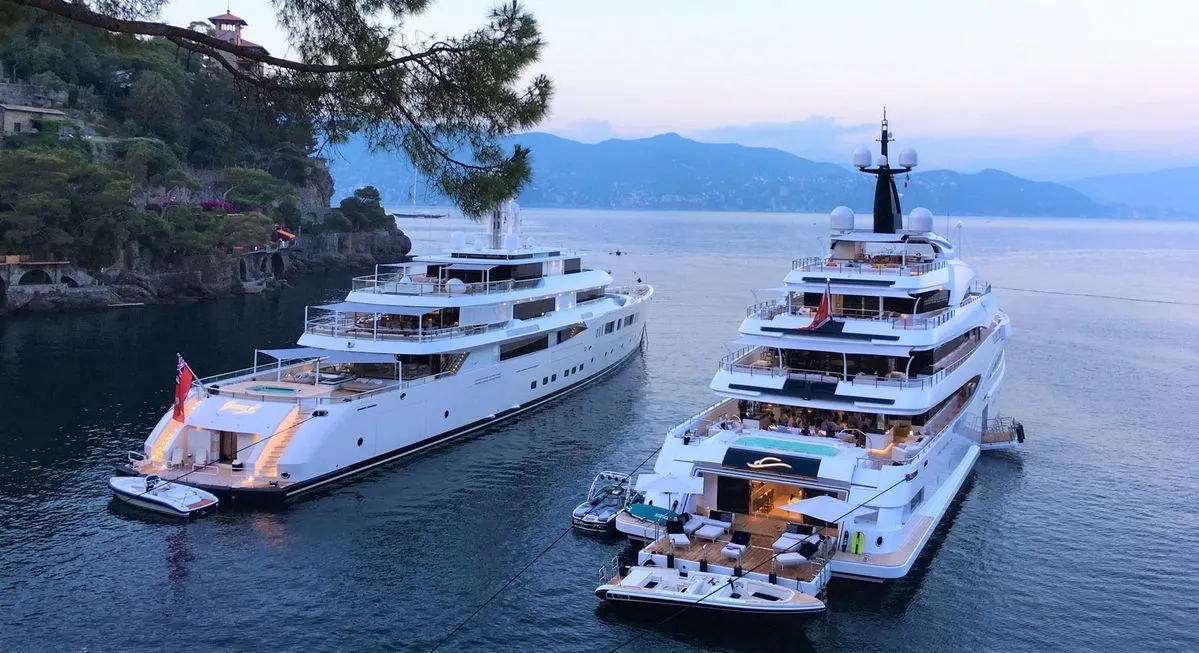
The fleet is fixed by the park's permits, and each yacht is licensed for its own route. Pricing differs from the Mediterranean. Each yacht quotes its own rate for its set itinerary, and what the rate includes, from meals to guiding, is set out before anything is signed; flights from the mainland, park fees and a gratuity for the crew and guide come on top. Our guide to what a yacht charter costs explains the usual structure, and the charter toolkit covers gratuities.
How a Galápagos charter is arranged
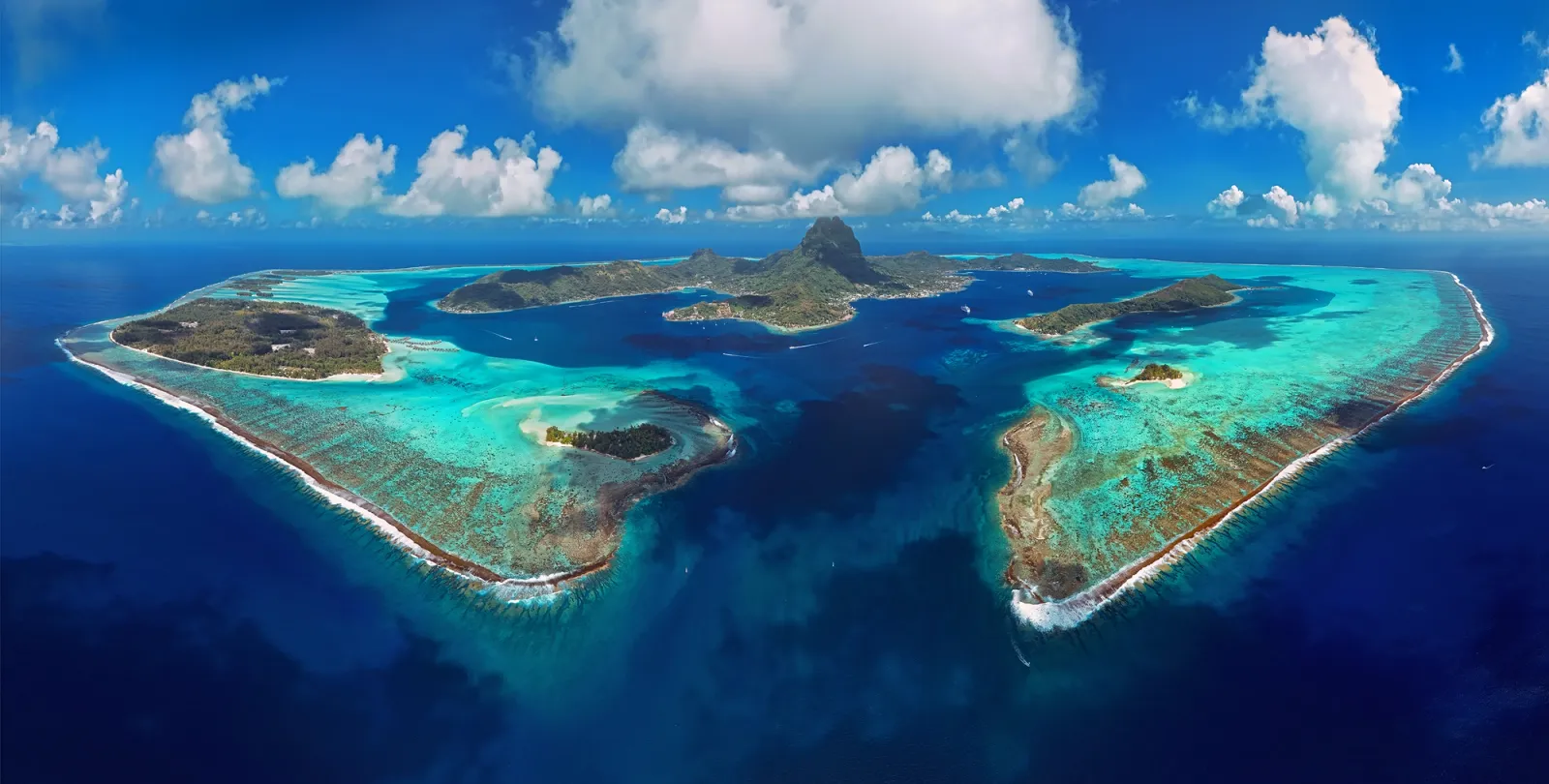
We shortlist licensed yachts whose itineraries match the islands you want to see and the season you can travel, and arrange the mainland flights around them. Choosing the right yacht matters more here than anywhere, because the yacht and the route come together. For a Pacific voyage with more freedom of movement, French Polynesia is the counterpart, and the Pacific page covers both.
Tell us your dates, the size of your group and what you have in mind, and we will come back with a shortlist. Start the conversation.